Cragside Primary School: Year 4 trip to Vindolanda
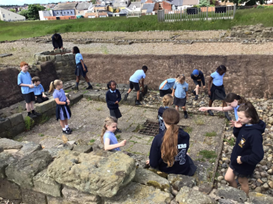
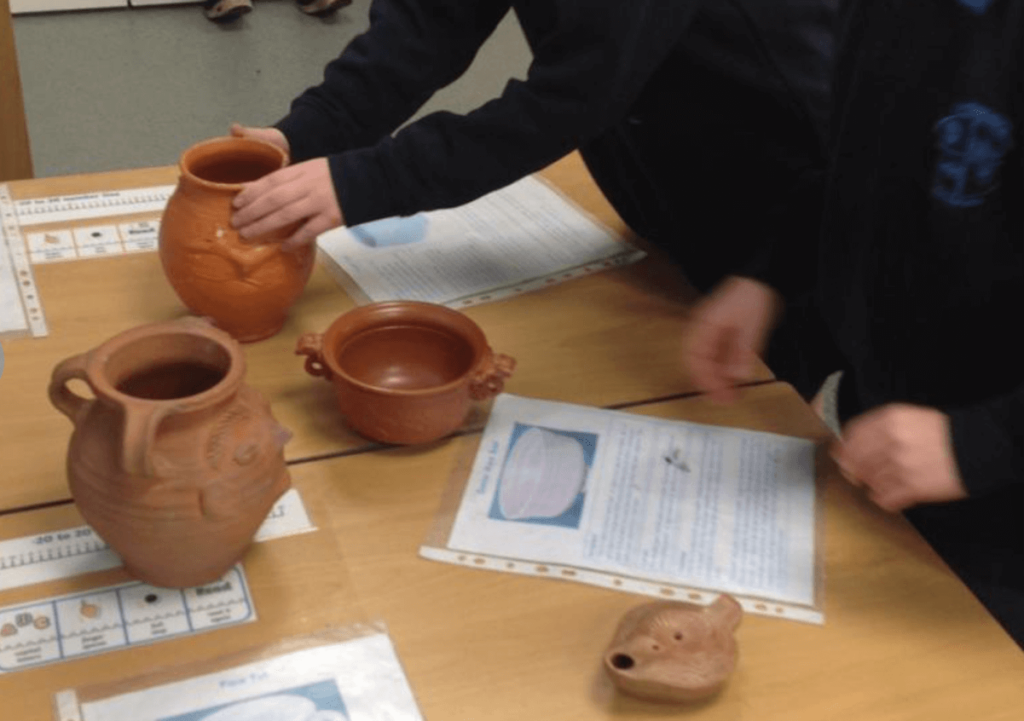
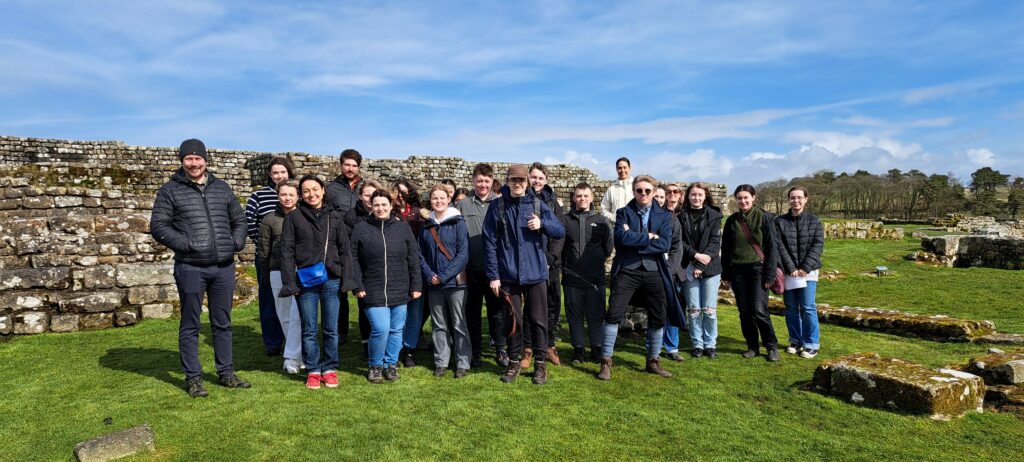
Our two Year 4 classes had an amazing trip visiting Vindolanda. We spent the morning at the Vindolanda site, which is the most excavated fort on Hadrian’s Wall. We had the opportunity to see live, archaeological excavations in situ at the fort and ask some of the volunteer archaeologists questions. The children were amazed to hold some recently found Roman pottery, especially when they were told that they were the third person to hold it in nearly 2000 years!
We toured the remains of the vicus, where the children were intrigued to see the remains of the bathhouse, tavern and temple. We then investigated the site of the fort. Our classes were particularly amazed at the size of the Commanding Officer’s house, with its private courtyard and hypocaust system. At the Vindolanda Museum, the children were amazed by the large array of shoes and many finds from the site itself. We completed an ‘eye-spy’ hunt where they had to find specific items in the museum and name them. The children loved the display of Roman coins, jewellery and the replica chariots.
After lunch, after climbing the replica wall and forts, we embarked on a short journey, which followed the line of Hadrian’s Wall through the scenic Northumbrian countryside, from Vindolanda to the Roman Army Museum where we enjoyed seeing full scale replicas of centurians and cavalry soldiers. We watched ‘the edge of the Empire’ which is an amazing short film depicting what life would have been like on the site. We even visited a Roman classroom, where a virtual Roman teacher taught us about the rise of the Roman Empire, Roman education and even a little bit of Latin!
This trip has inspired us to write our own leaflets about visiting Vindolanda.
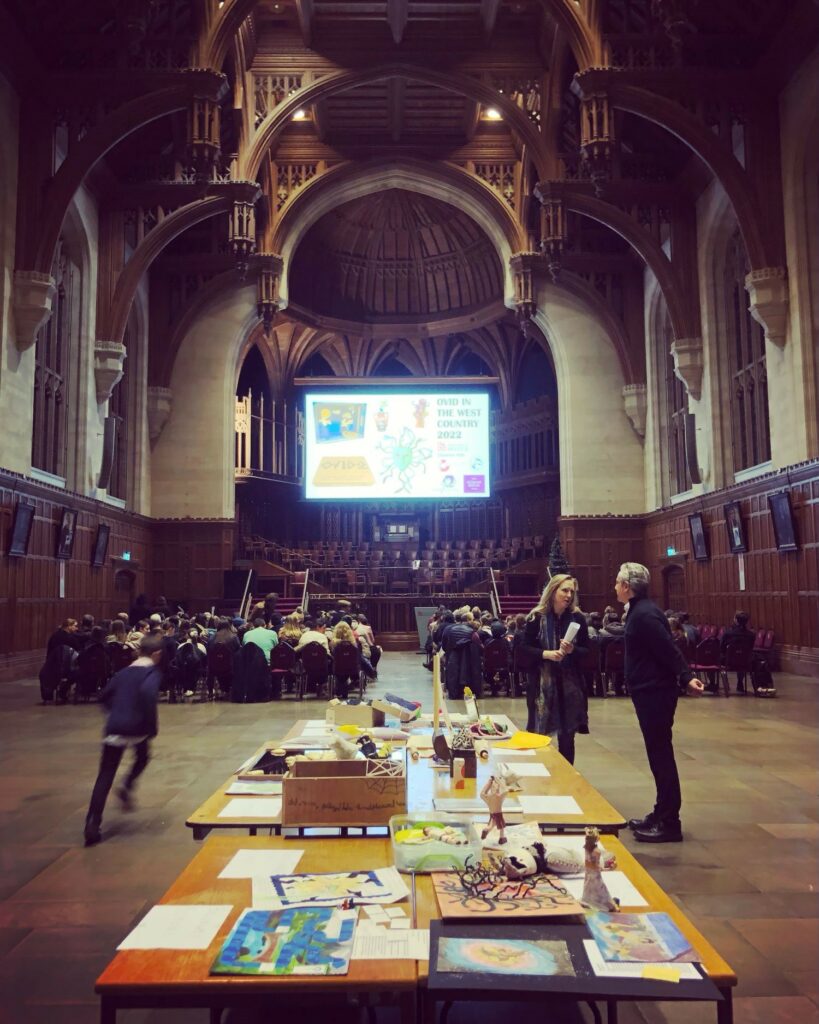
Bristol Classics Hub: Ovid in the West Country Prize-giving Event
We were delighted to host 129 attendees (teachers, students, parents and siblings) at our annual Ovid in the West Country prize-giving event.
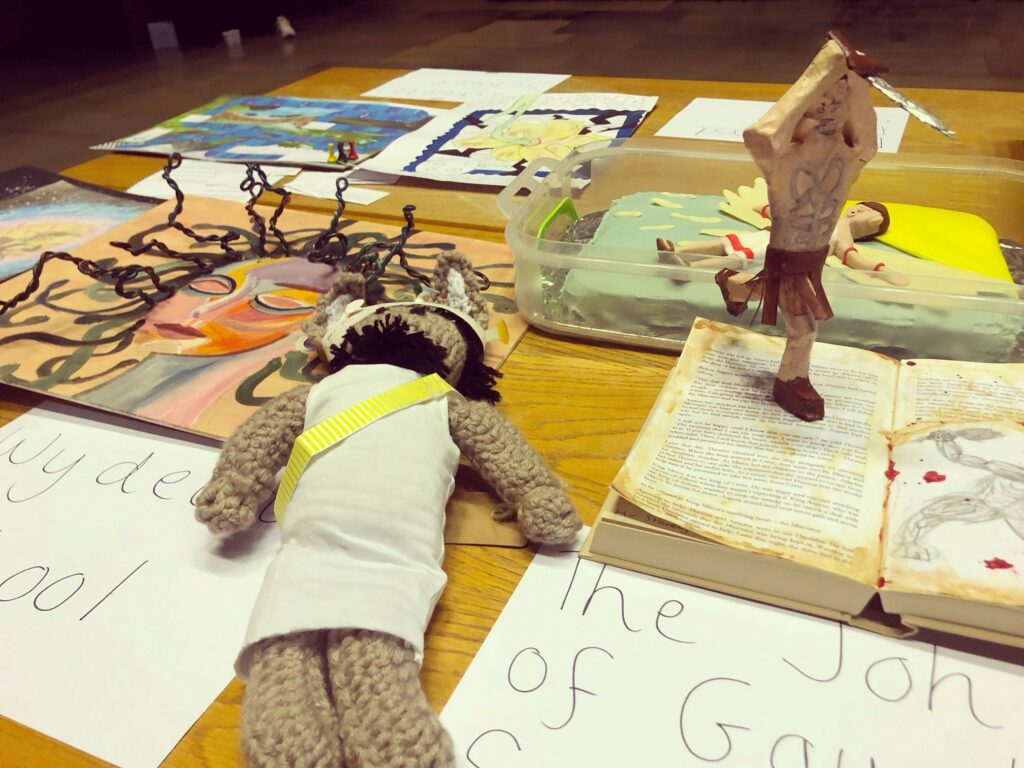
The event, which took place in the Great Hall at Wills Memorial Building, University of Bristol, on Monday 5th December (16:30-16:30), was designed to celebrate the achievements of KS3 students from local state schools who engaged with stories from Ovid’s Metamorphoses and produced a creative response to a myth of their choosing.
The event began with a display of students’ work, followed by a performance from professional storyteller Daniel Morden and the official presentation of certificates and awards to finalist students. Merit and special commendation prizes were given to every school, while three first prizes were awarded to students from Backwell School, Orchard School, and St Joseph’s Catholic College in Swindon.
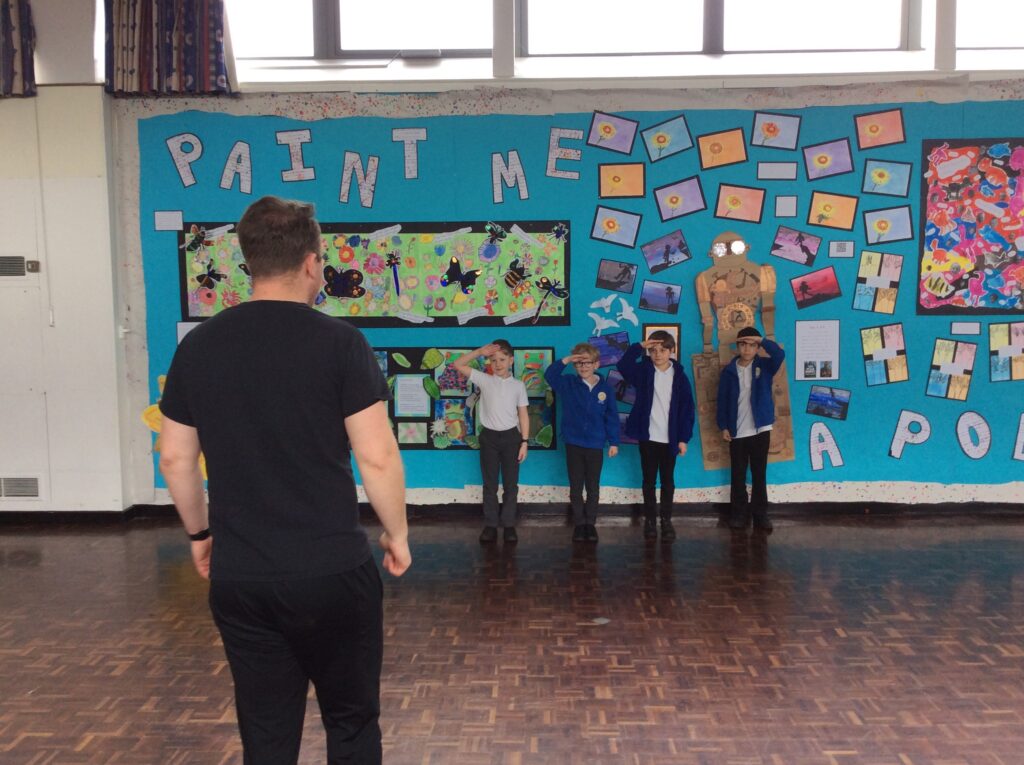
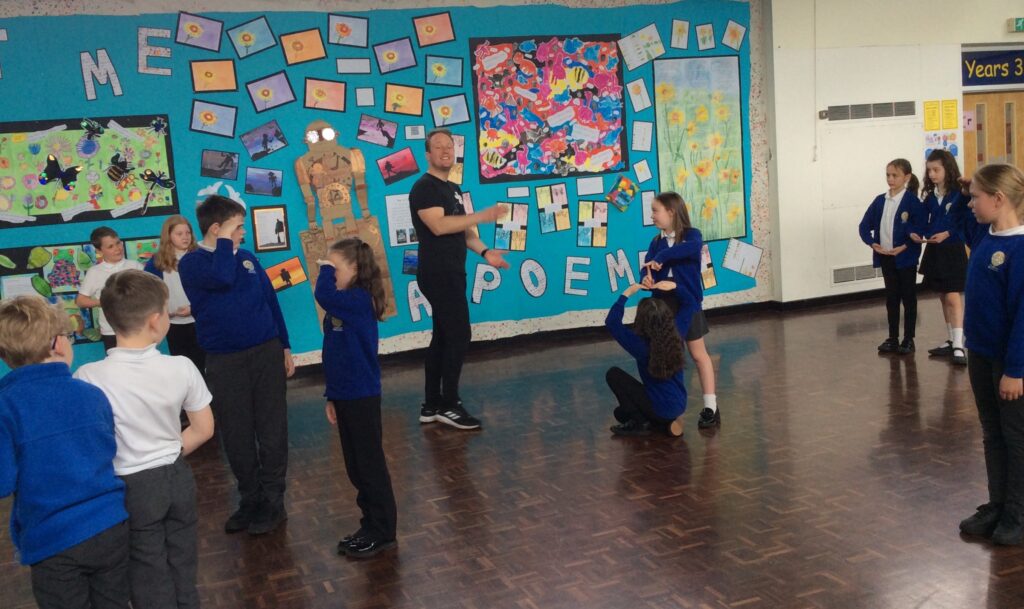
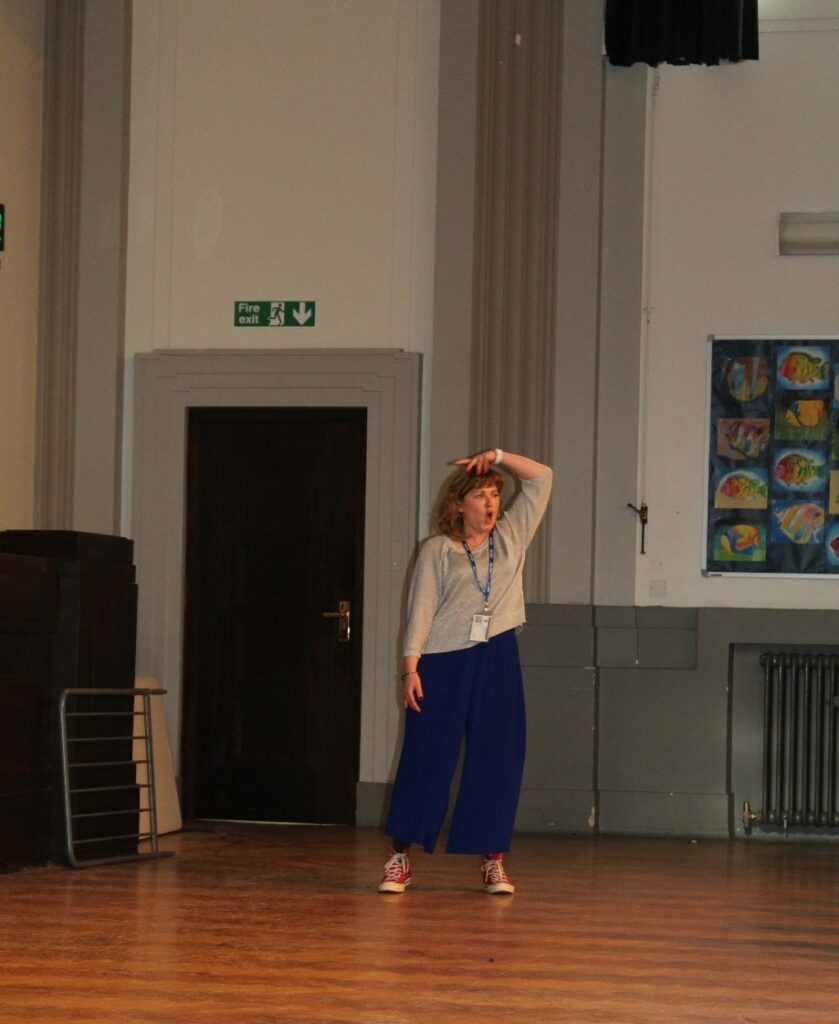
A drama workshop offered our year 4 children a vibrant gateway into ancient Greek society, fostering both creativity and historical understanding.
Through a range of drama tasks, the children were immersed in the customs, myths, and daily life of this influential civilization. This hands-on approach sparked curiosity, enhancing the children’s grasp of history while developing empathy and critical thinking.
Additionally, it cultivated teamwork and communication skills as they collaborated on their performances, reflecting the communal spirit of ancient Greek theatre! Overall, the drama workshop, funded by the Classical Association, provided a dynamic, inclusive and engaging platform for Cledford’s children to explore and appreciate the rich tapestry of ancient Greek culture.
Thank you for your support, enabling this to happen.
EMACT (East Midlands Association of Classical Teachers) Art Competition
The East Midlands Association of Classical Teachers (EMACT) Art Competition 2024 aimed to engage pupils from KS2 to KS5 through creative explorations of the theme of ‘Landscapes of Roman Britain’. Within this theme, participants’ artwork included roads and towns, fields and farmsteads, military infrastructure and recreational spaces.
Fourteen schools from across the UK participated in this competition, enthusing students to explore their local historical landscapes and think of the significance the Roman world continues to have in modern Britain. The variety of creative inputs is testament to the curiosity of younger generations in the ancient past.
Photos of artwork by the winners and runners up can be viewed on the EMACT website.
Cove Junior School: Roman Day Workshop and Ancient Greeks Workshop
We received a grant that allowed us to run two exciting workshops linked to our Roman and Ancient Greek topics. These memorable and educational workshops made such a difference to children’s engagement with the topics.
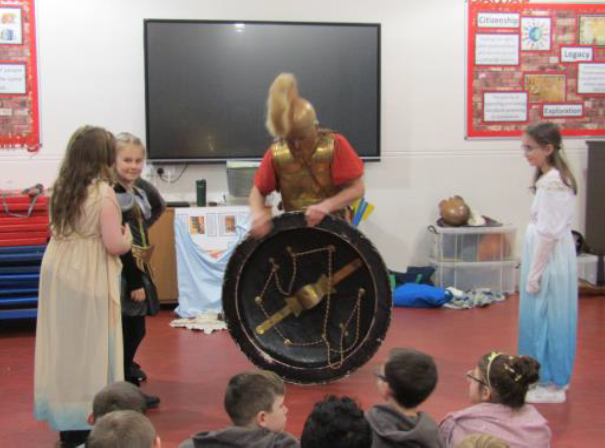
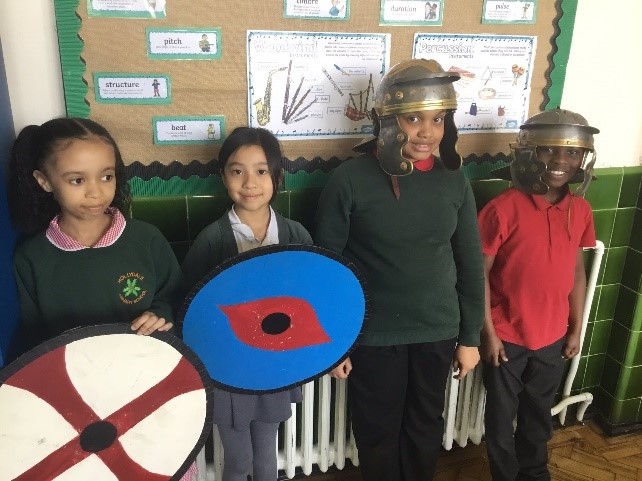
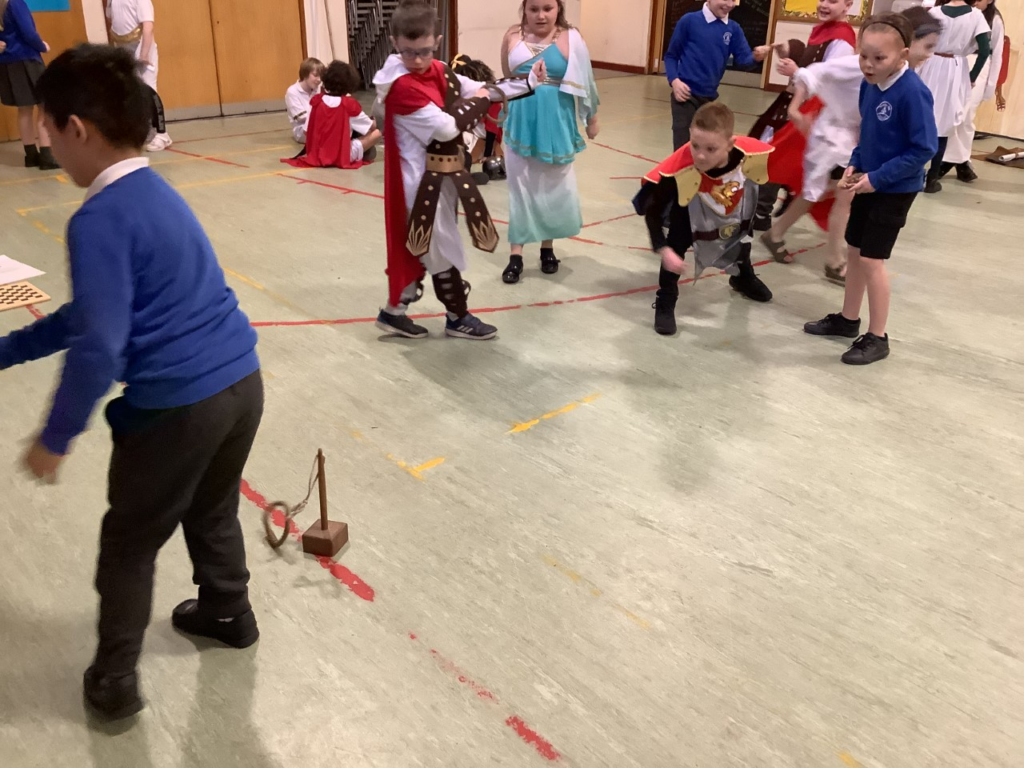
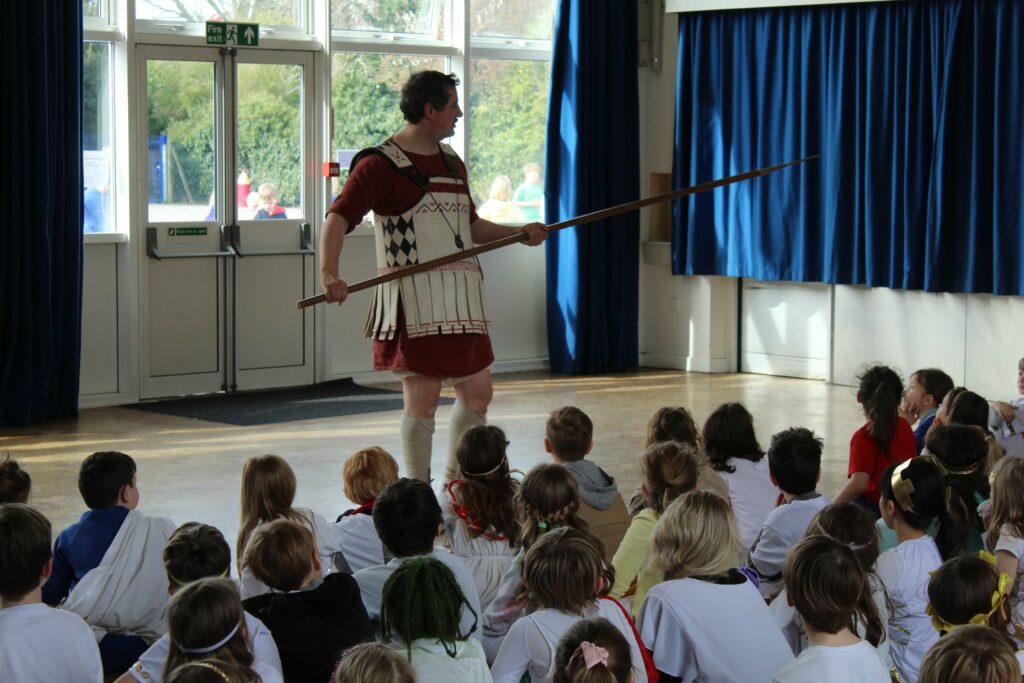
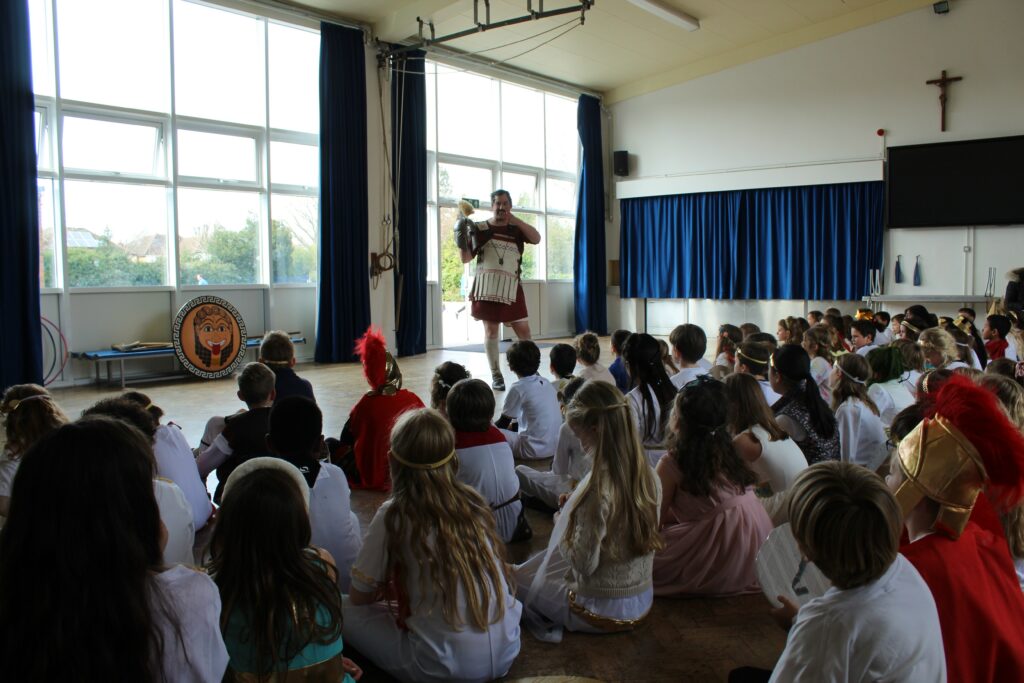
The children found out about life in Ancient Rome and Ancient Greece and enjoyed a range of practical activities. These ranged from a battle re-enactment to a mini Olympics to a demonstration of weapons and armour. These workshops were held at our school so were accessible and available to all children.
St Leonard’s Catholic Primary School: Y4/Y5 visit to Arbeia Roman Fort
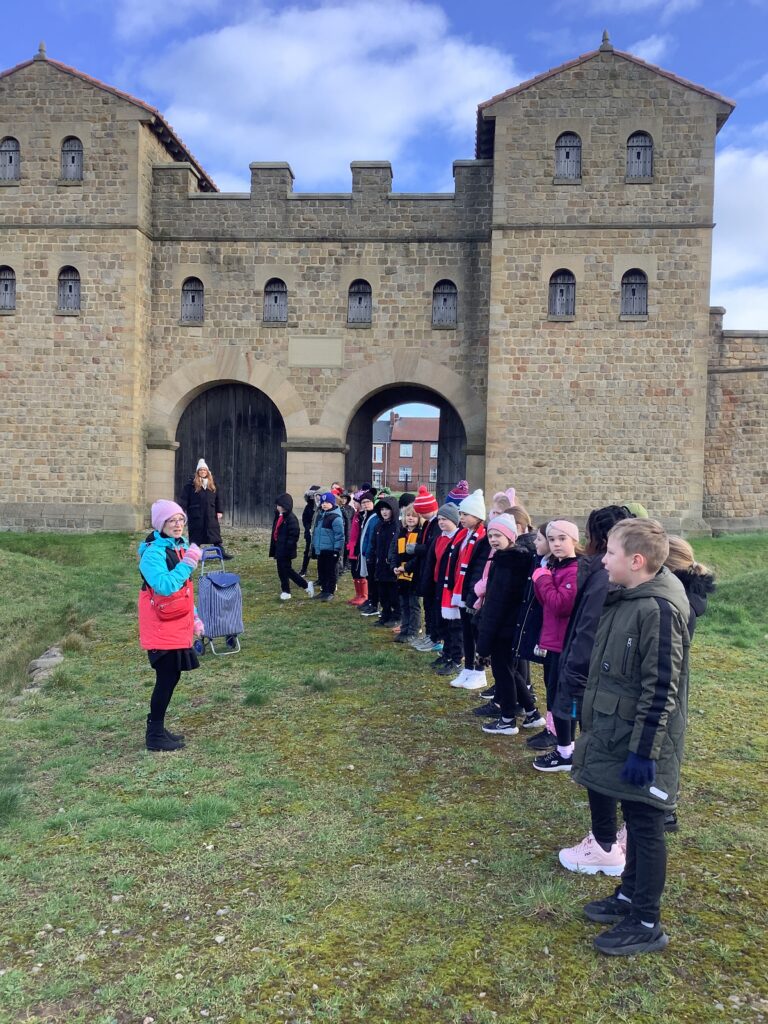
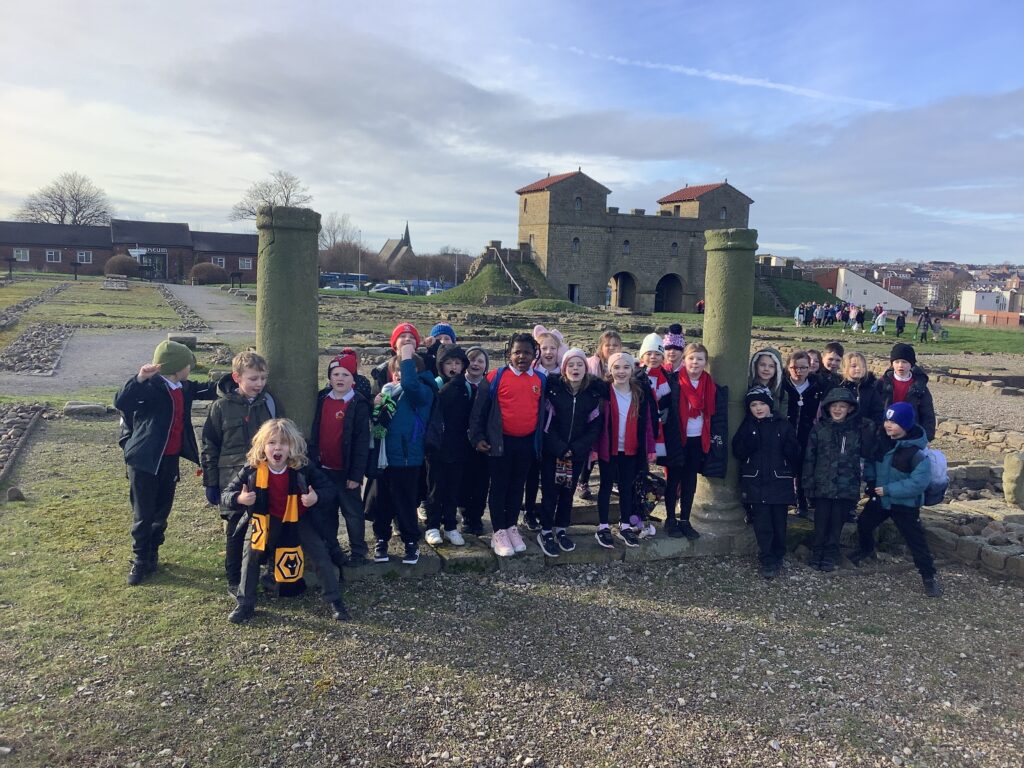
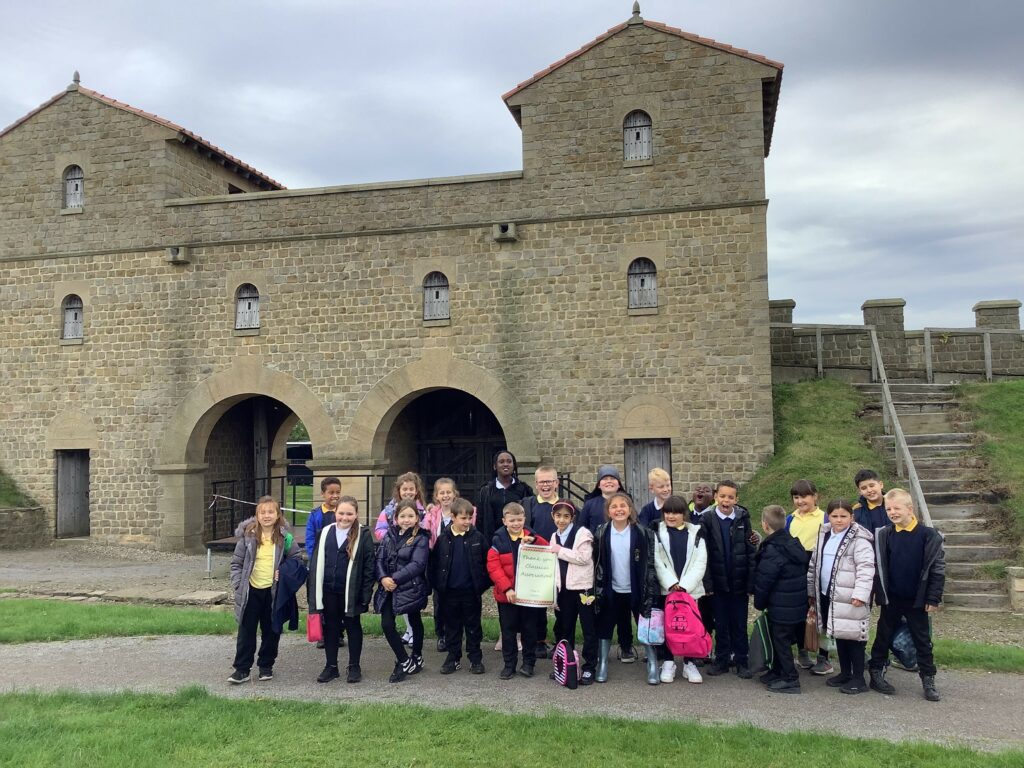
Thanks to the Classical Association’s grant, the children from St Leonard’s Catholic Primary School had a great day out at Arbeia Roman Fort in South Shields as part of a curriculum enrichment trip.
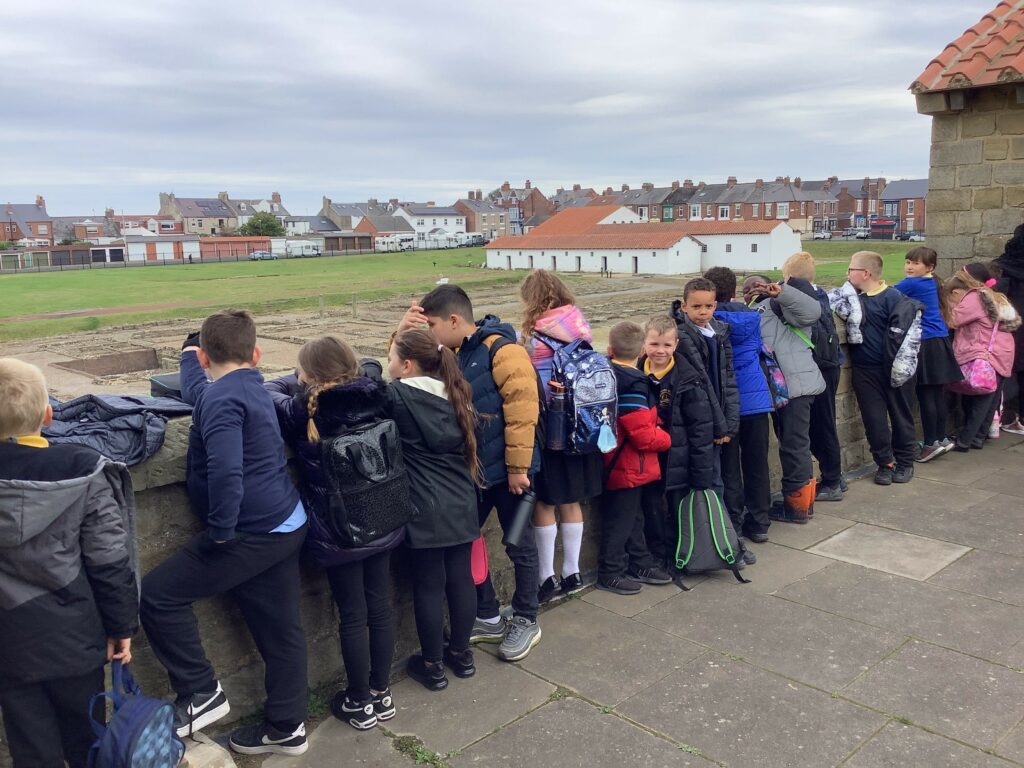
The grant allowed for the children to receive a workshop comprising a guided tour around the ruins of the fort. All of the children enjoyed themselves, especially going to the top of the West Gate where they could overlook the whole site.
The children engaged with primary sources both in and out of the museum, including handling precious artefacts and figuring our what they were originally used for!
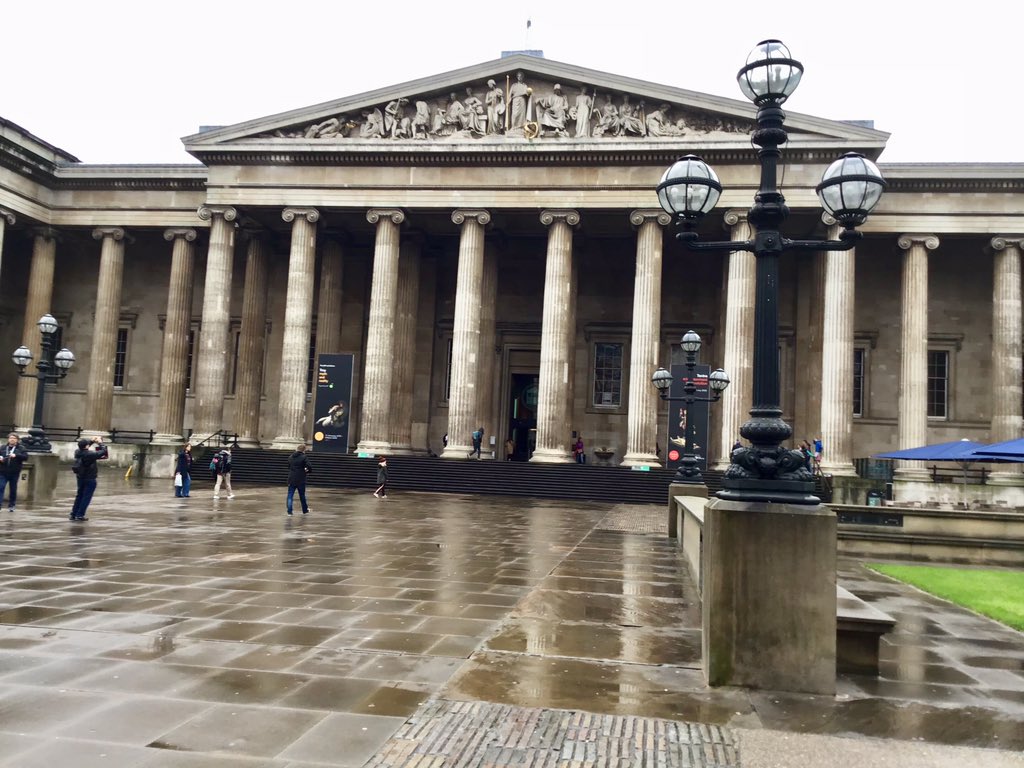
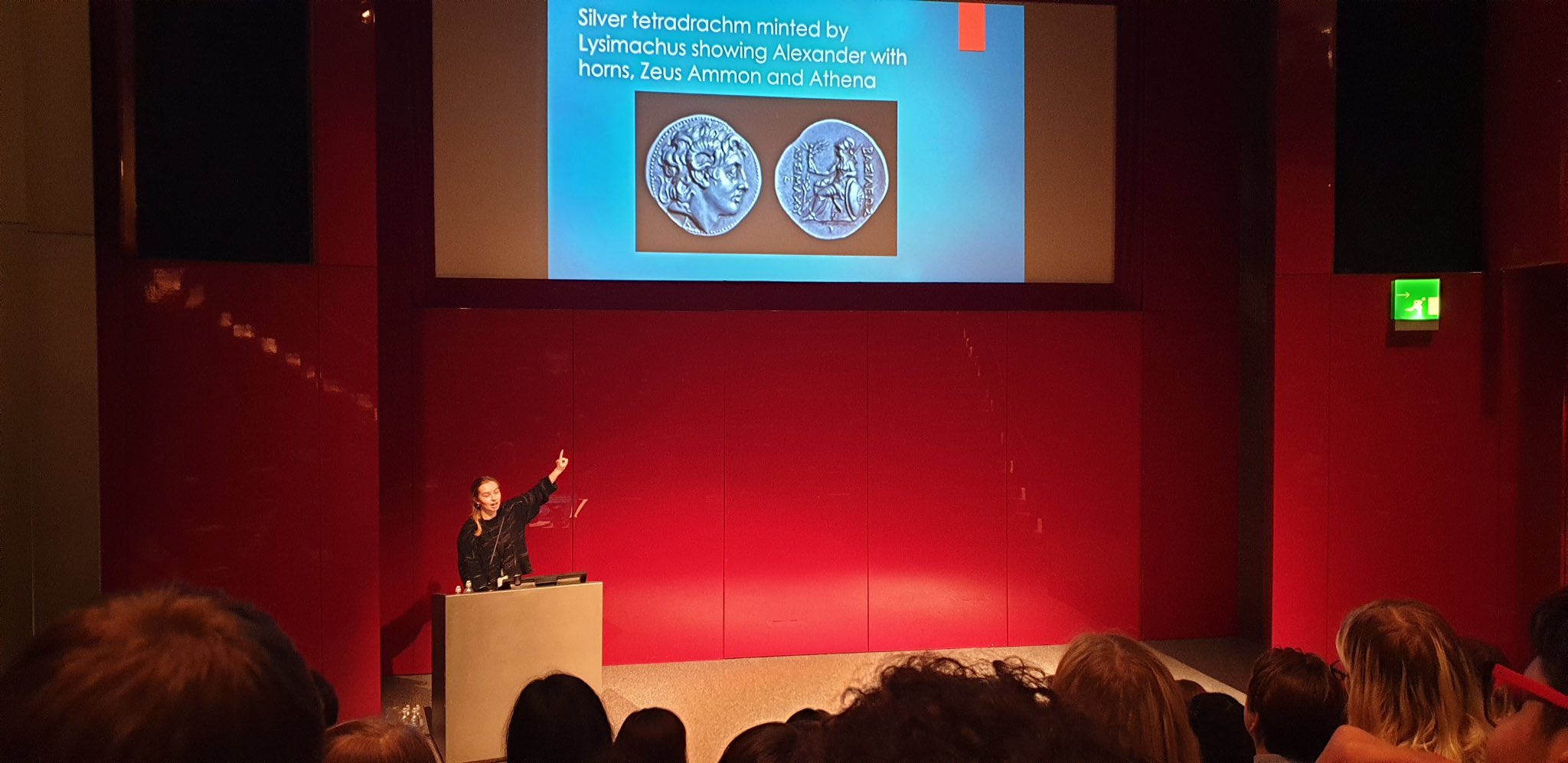
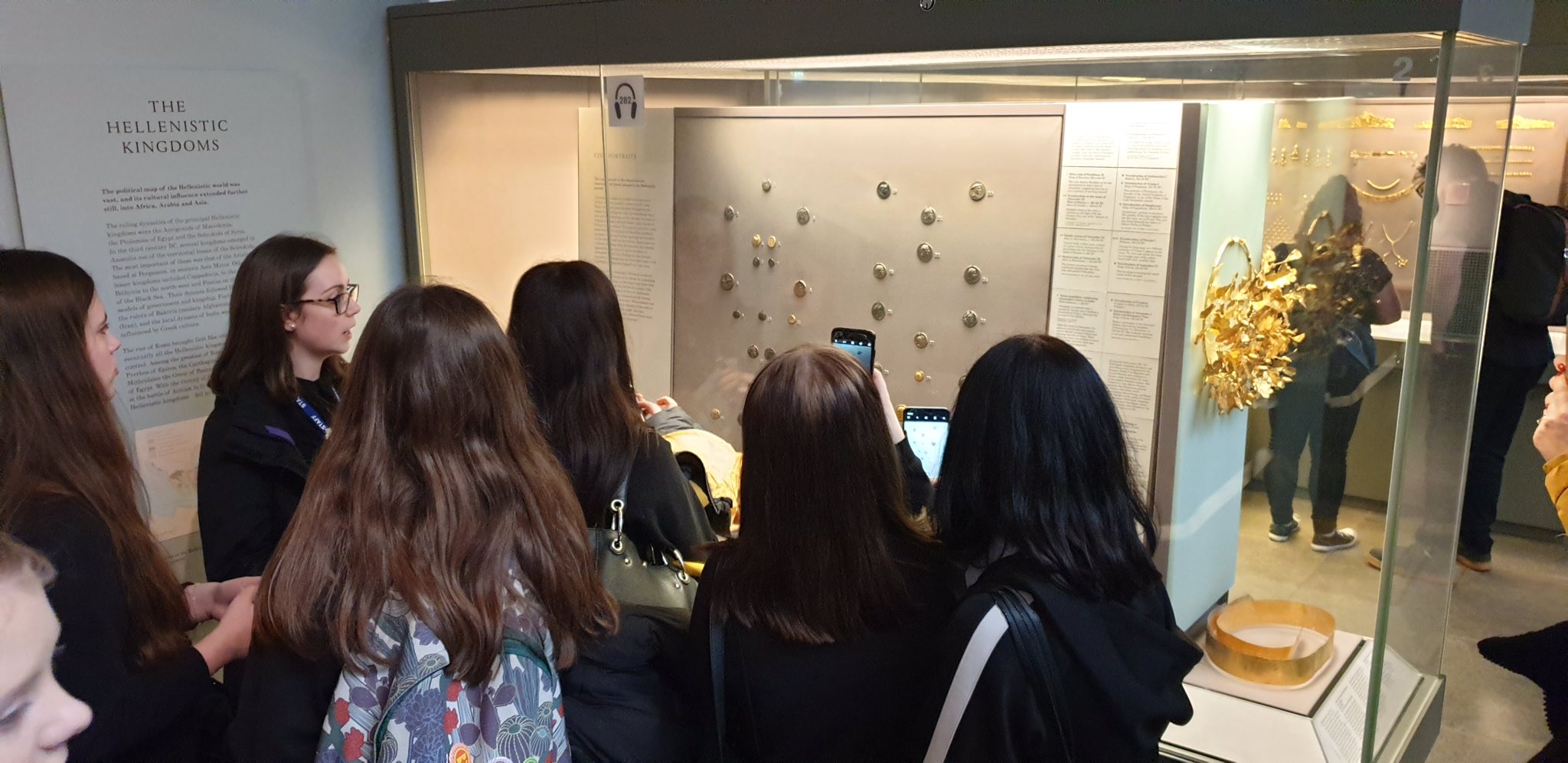
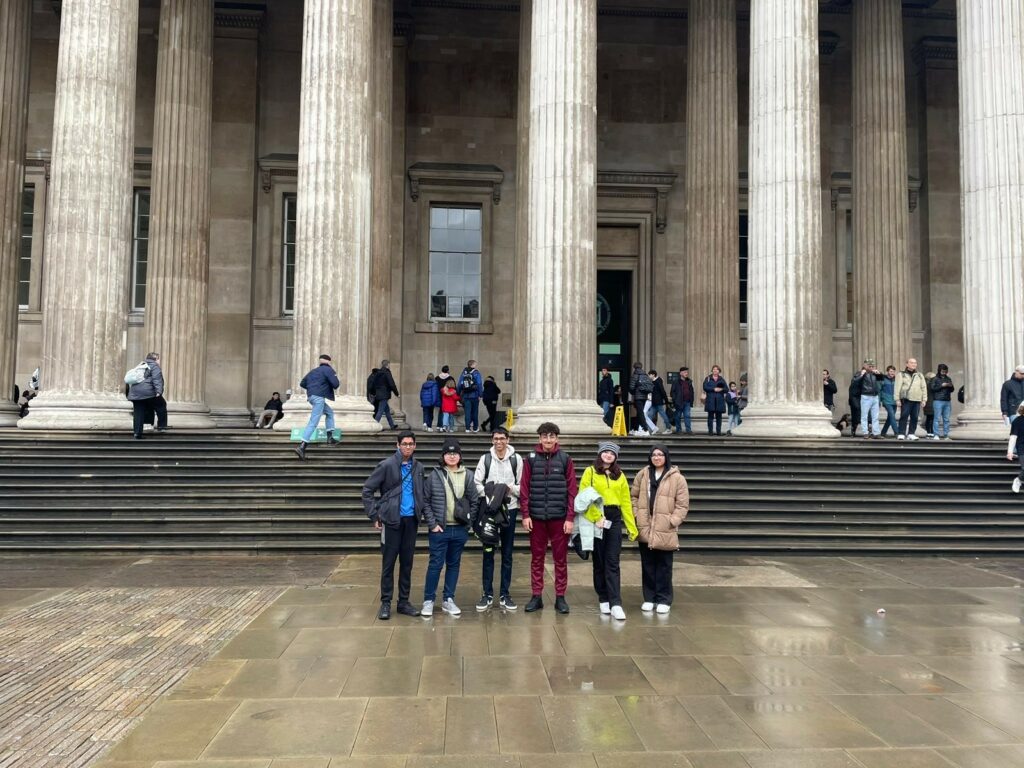
On 24th Feb 2020 we were delighted to take 46 of our GCSE Ancient History students to attend the fantastic ACE revision day, ‘OCR #Classics in 20 British Museum objects’, which allowed them the opportunity to be guided through essential sources and contexts by experts in the field.
The students were able to revise key content, as well as to gain a more sophisticated understanding of the prescribed sources, ultimately giving them a better opportunity of achieving the highest grades. The response from students (and colleagues!) about the event was overwhelmingly positive – they were delighted by the museum and the opportunity to study the source material in person.
Due to the CA’s generous donation we were able to cover the cost of the coach to and from London and, given that the ACE event was also free, this meant we were able to run the trip at £0 cost for the students attending. It was especially important that this trip allowed a high % of PP students to access the same kind of educational experiences as better-off peers in more prosperous parts of the country. I can safely say that without the support of the CA our visit to the British Museum would not have been anywhere near as successful – or potentially not have happened at all!
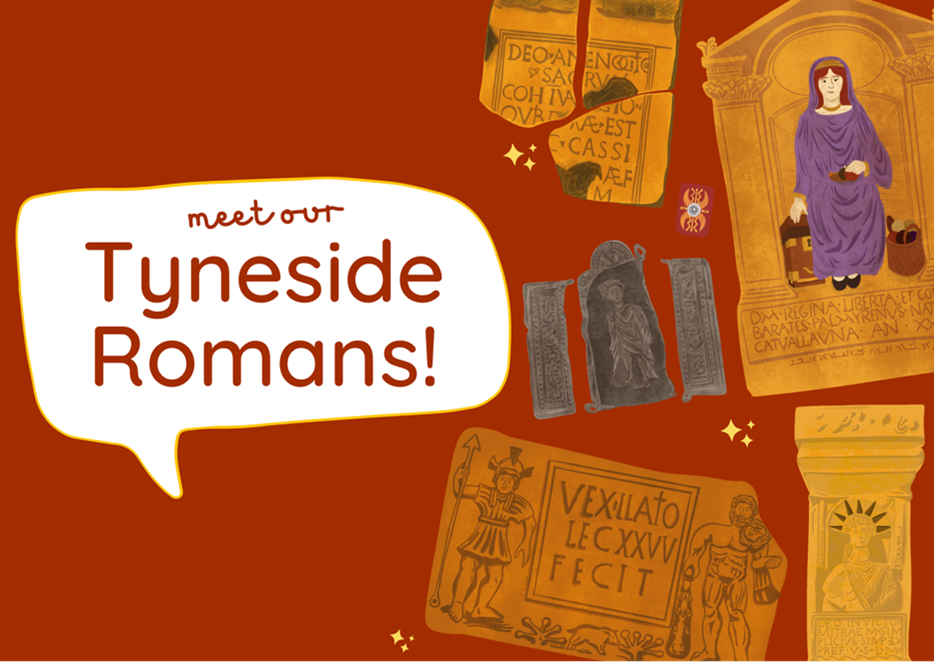
Romans on the Tyne is a collaborative project aimed at engaging KS2/KS3 pupils in and around the Tyneside area with their local Roman past.
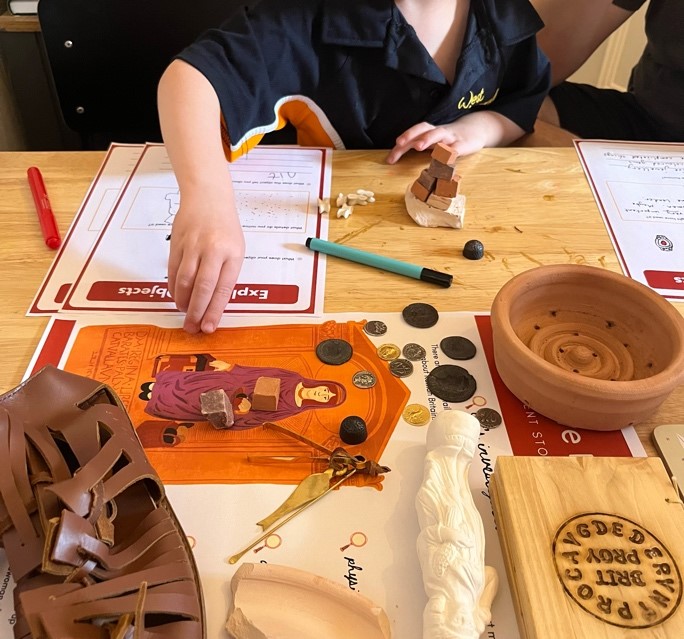
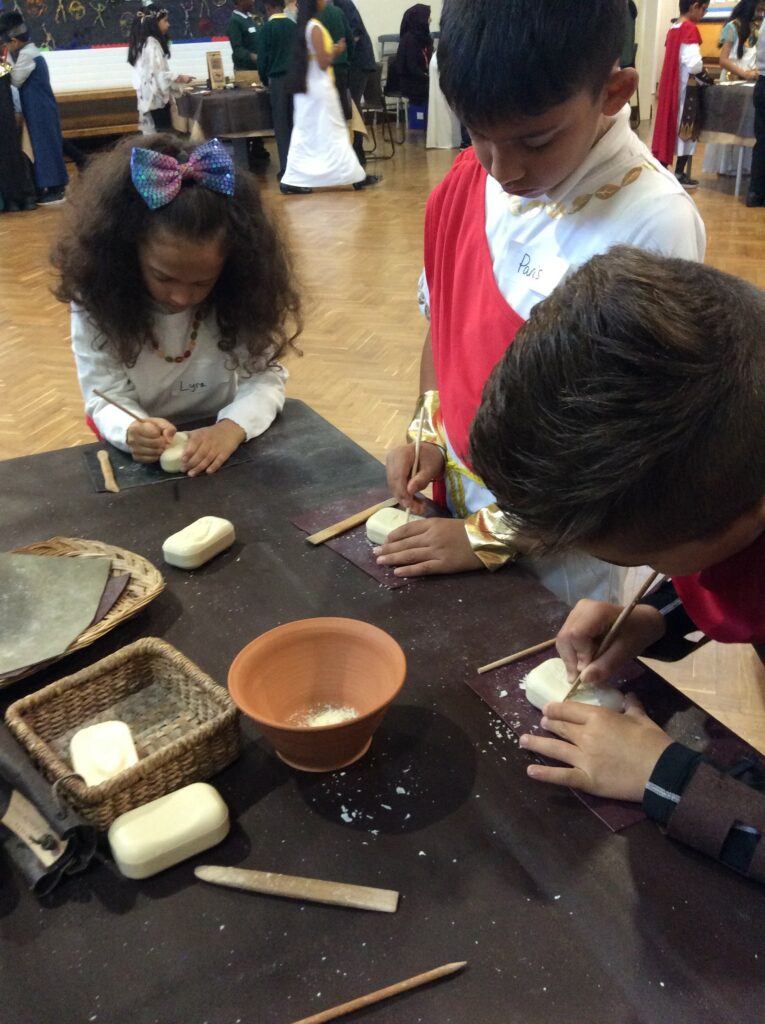
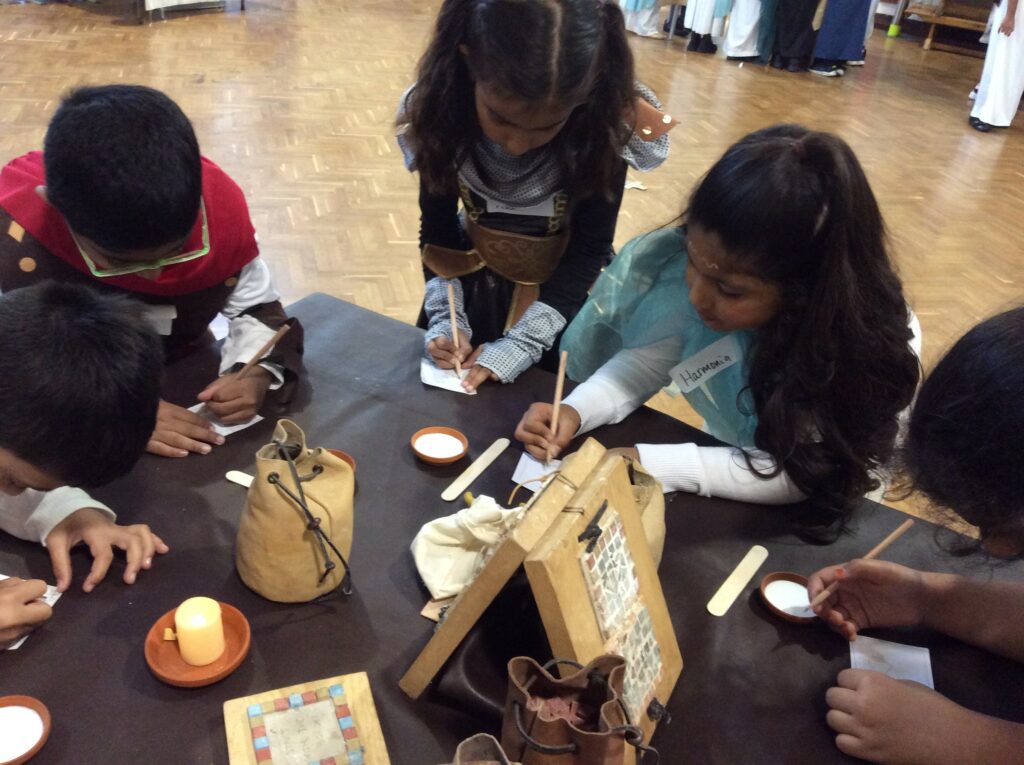
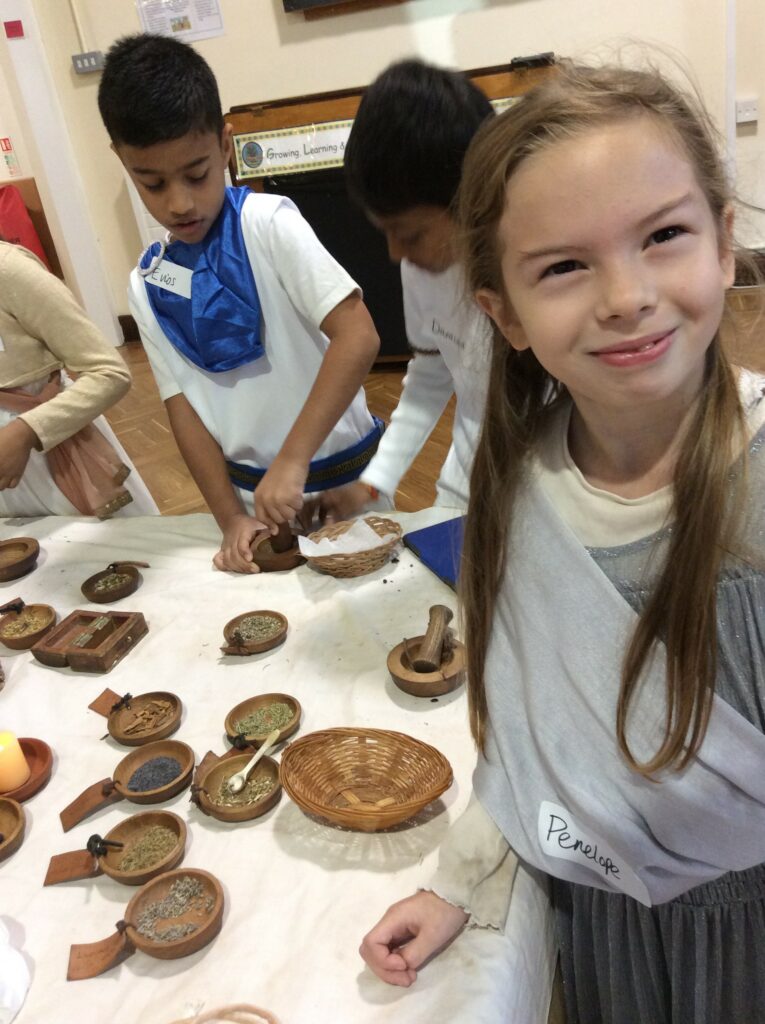
We focus on the stories of the people who lived here by exploring the objects they left behind, through freely accessible resources as well as interactive workshops where pupils explore the sights, sounds – and even smells! – of life beside Hadrian’s Wall. You can find out more about our work through the project website https://romansonthetyne.org
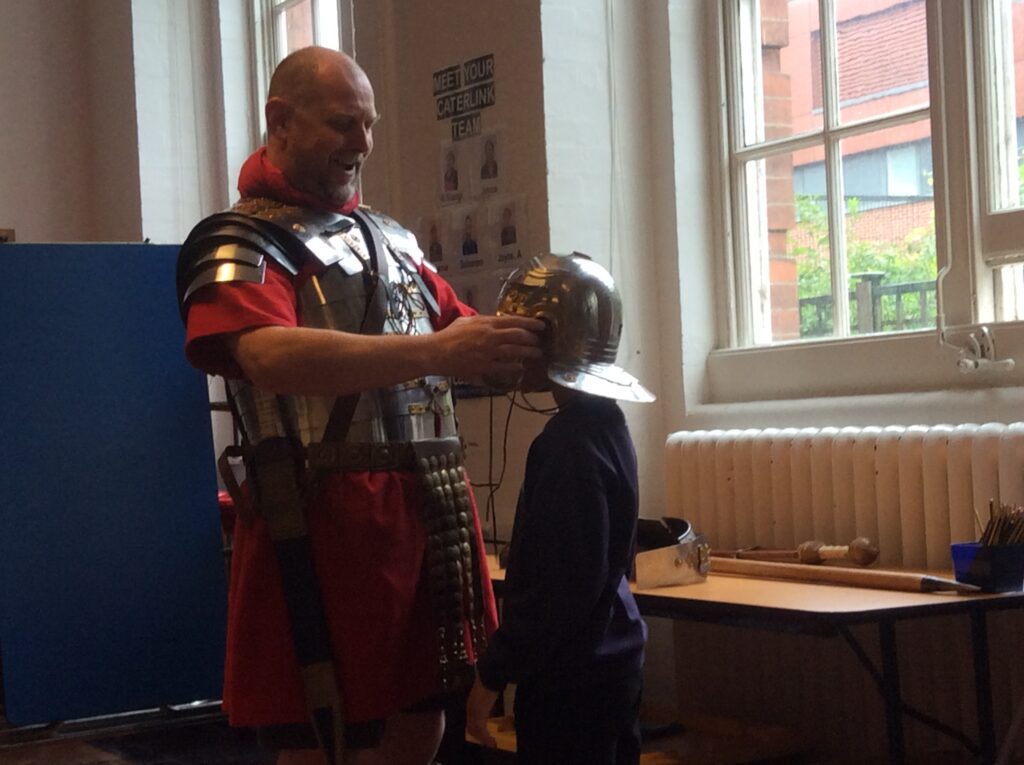
Photos (copyright S. Holton): Workshop session with West Jesmond Primary / Romans on the Tyne postcard image.
Montem Primary School: Pax Romana workshop for Y2/Y3
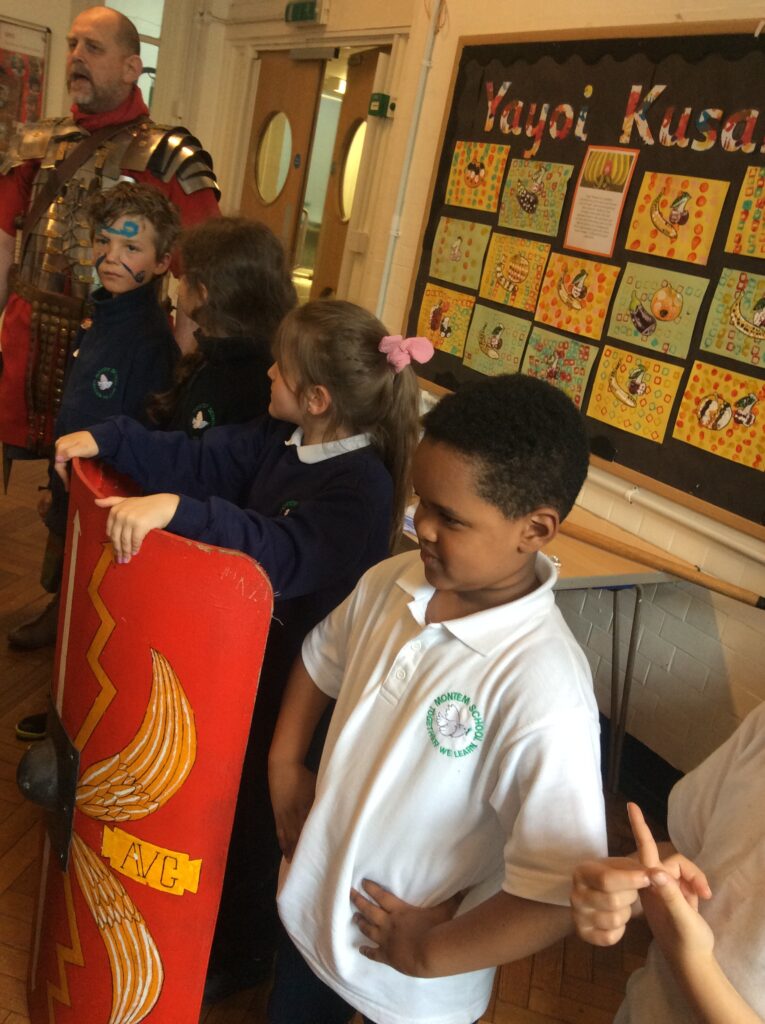
The children really loved the Roman workshop! It was so much fun. The person who delivered it spent the whole day in character as a Roman Centurion, and was really funny and entertaining, which was definitely needed for a workshop like this.
The morning quizzes were fantastic and really helped the children understand more about the Romans. They were engaged and excited to learn, asking lots of questions and participating eagerly. The afternoon was packed with action too – they especially enjoyed the reenactment of Roman battles and the chance to handle replicas of Roman artifacts.
Overall, it was an enriching experience that brought history to life for the children.
Croft Academy provides a nurturing, happy and inclusive learning environment for 230 primary school children living in one of the 3% most deprived boroughs in the UK.
We are passionate about giving our children the best opportunity to thrive, despite their challenging circumstances. We find that whilst many of our children may lack concentration during ‘traditional learning’ in the classroom, one thing that really captivates them is practical learning. When we are able to bring subjects ‘to life’, the enthusiasm and sense of wonder from our children is tangible.
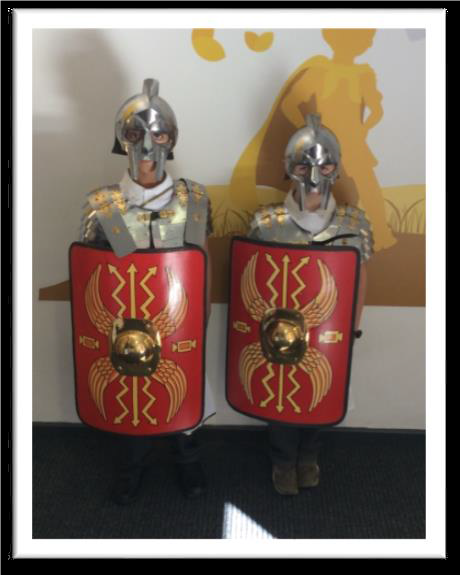
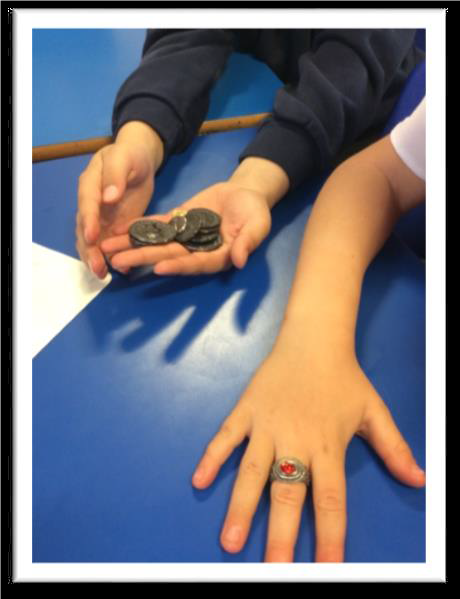
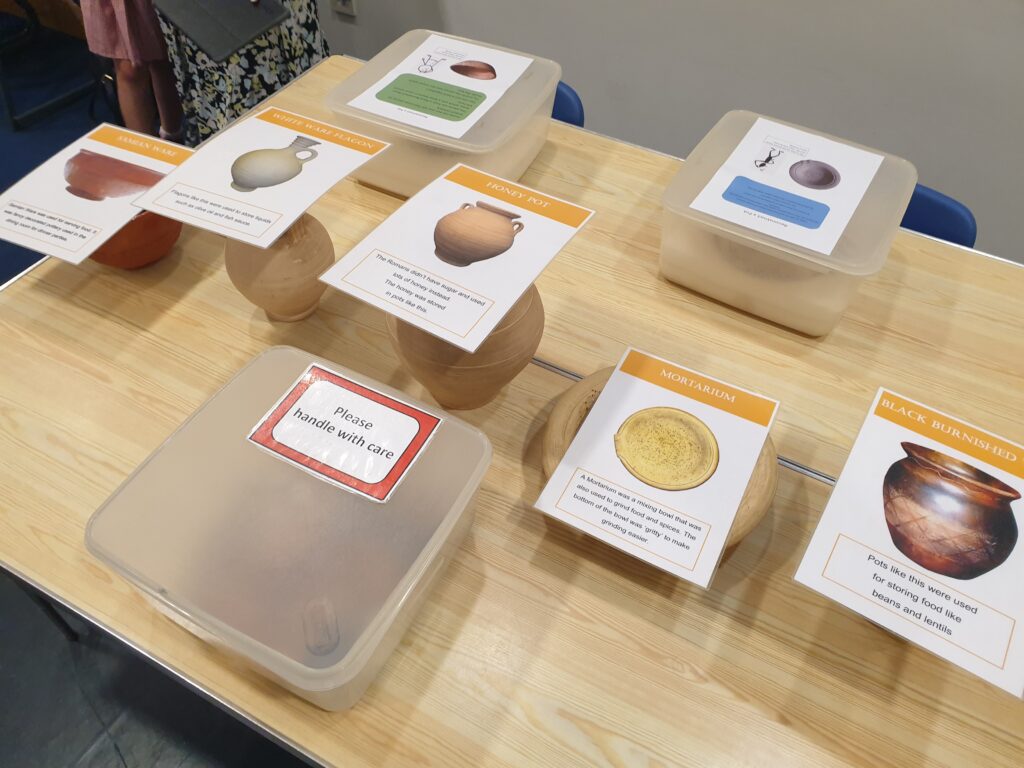
Thanks to your support, we have been able to bring the Classics to life by producing two ‘museums in a box’ – comprising a selection of Greek and Roman artefacts including: armour, shields, coins and jewellery, to spark imagination and guide our children’s learning for years to come.
The resources will be a key part of our annual Greek and Roman days, going forwards. Once COVID restrictions allow, we plan to run a Classics assembly for the whole school, where our Year 4 pupils can inspire the other year groups with all the wonderful resources, and filter their learning to our younger pupils.
Dixons Kings Academy: GCSE Classical Civilisation trip to the British Museum
Dixons Kings Academy was thrilled to receive funding from the Classical Association to take eight of our students to London to visit the British Museum.
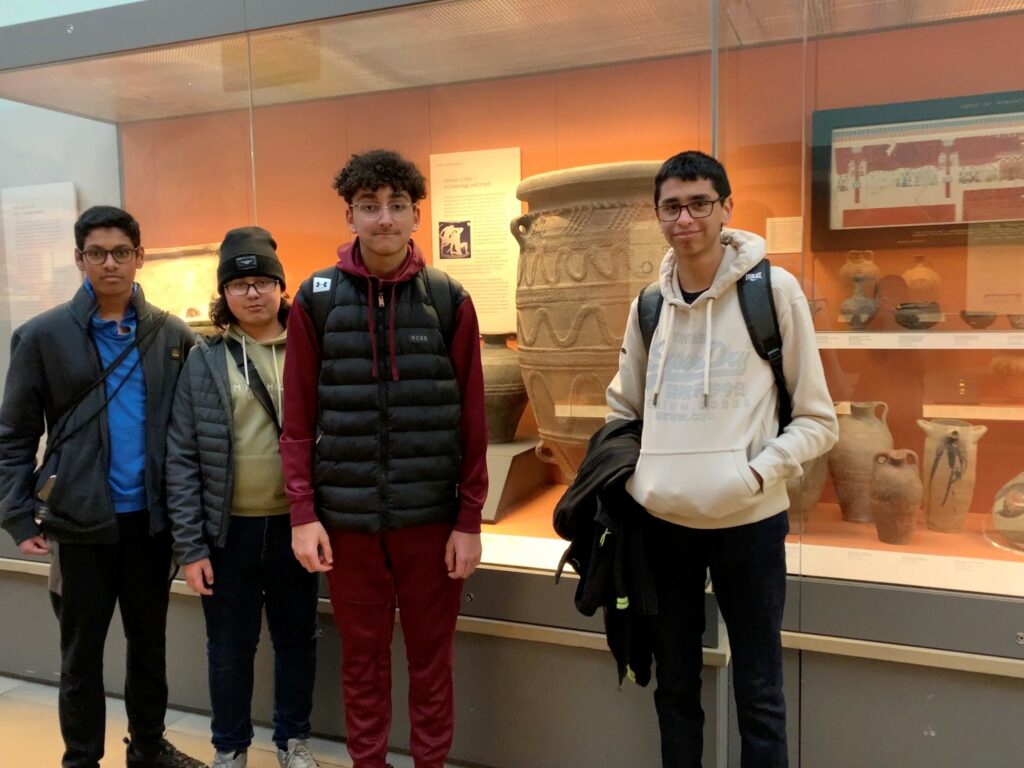
Students were particularly impressed by the size of a Pithos jar noting that they really were large enough for King Eurystheus to hide in one! Our students had a great time on the train to London (with one student beating Miss Johnson at chess) as well as looking around the Museum.
Seeing the material culture of the Greeks and Romans undoubtedly helped our students to appreciate the ancient world. Without funding from the Classical Association, this trip would not have been possible!
St Teresa’s Catholic Primary School: Greek Week including Sports Day
Greek week has been an amazing success- we take the opportunity every Olympic year to drop our usual timetables to focus on learning about the ancient Greeks – even more amazingly it happened to fall during the week of a general election so the concept of democracy first championed by the Greeks, and now a fundamental British value, was explored with much curiosity by pupils.
We are most grateful to the Classical Association who supported our Greek week with a £500 grant.
Students were inspired to pursue further study of the classical world through a whole school cross-curricula approach, which embraced many aspects of Ancient and Modern Greek history and culture.
In Humanities, students looked at the development of Greece during the Archaic and Classical periods discussing the idea of Greece as a ‘cradle of civilisation’ and the adoption of Greek practices by the Romans. They explored Greek Mythology and designed warriors’ shields that called on the protection of the gods of Olympus.
In MFL, students grappled with the alphabet of Ancient Greece; in Food Technology, students were exposed to the flavours of the Mediterranean and in Drama, students prepared for a production of the Trojan War inspired by the Iliad (see photos below).
The programme of study reached its height with an end of term ‘Greek Day’ involving a mini-Olympics and a ‘Gateway to Greece’ competition, where classroom doors were dressed with flags, maps and fact sheets amongst other items.
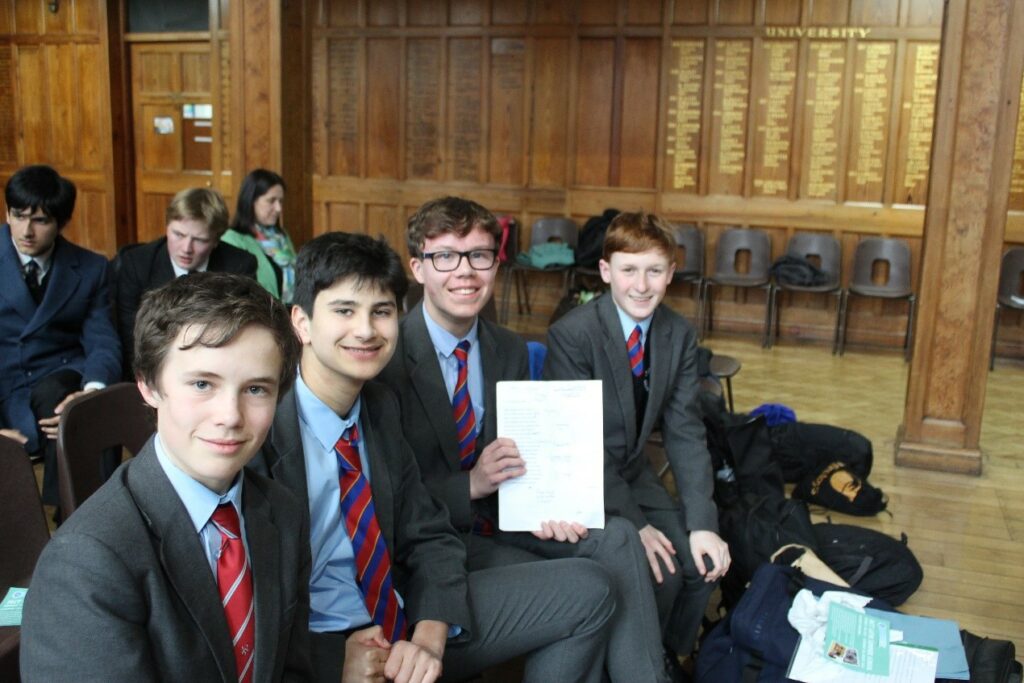
EMACT was delighted to see the return of its annual Latin and Greek Reading Competition as an in-person event this year.
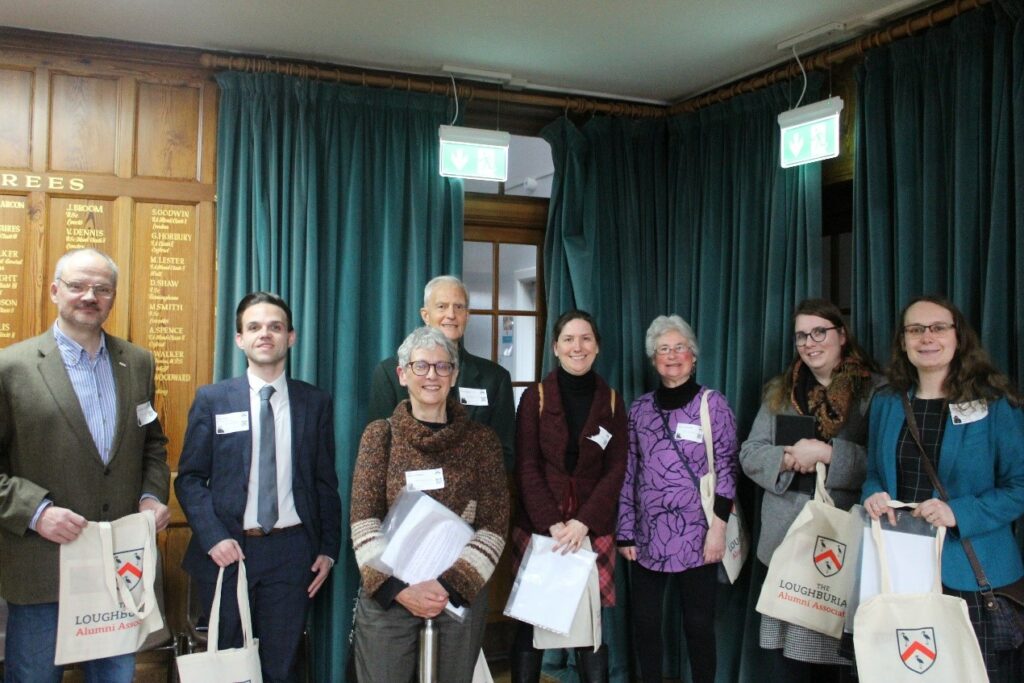
Hosted by Loughborough High School, and with a judging panel drawn primarily from former pupils of and/or teaching staff at the Loughborough Schools Foundation, the event was attended by over 60 competitors from seven schools, plus one home-educated entrant, from across the Midlands, including two schools who were completely new to the competition.
The enthusiasm of the competitors was palpable and the judges in all categories remarked on the high standard of the entries in both pronunciation and delivery. Congratulations to all those who took part, and to their teachers for inspiring the next generation of classicists to view Latin and Greek as far more than dead languages.
The CA grant allowed us to make Classics available to home educated students who might not have otherwise explored this amazing area.
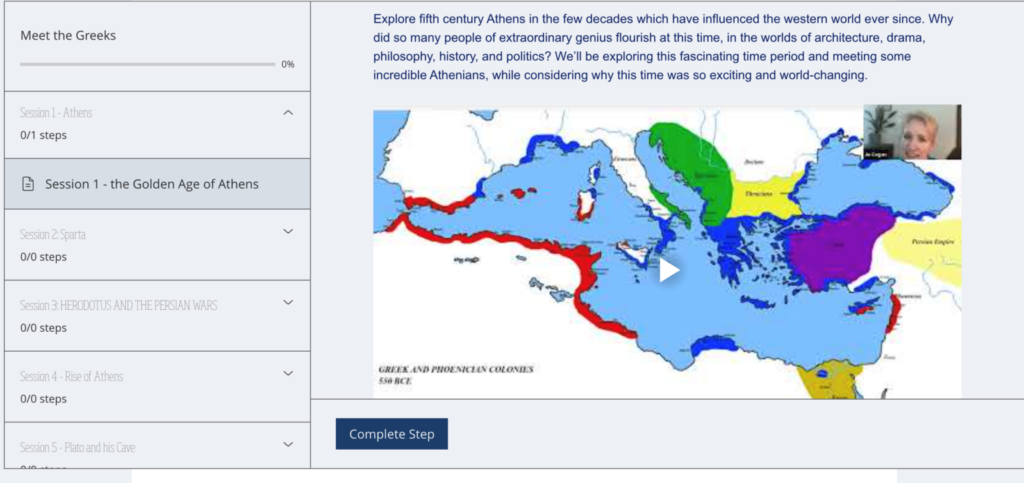
By offering free webinars and free online class recordings, we have been able to provide a new exciting resource for young people. This has helped those already interested in the area expand their education while also fostering new interest among those who have never heard about Classics before. We are grateful for the Association’s support.
After an absence of three years, the London Area Latin and Greek Reading Competition was revived at Westminster School in March.
Our judges were Dr. Gail Trimble and Mr. Stephen Anderson, both of Oxford University. 11 schools attended, 2 from the state sector and 9 from the independent. Another student, from a state primary school, attended independently, escorted by his mother.
The categories were Beginners’ Latin, Beginners’ Greek, Pre-GCSE Latin, Greek Dialogue, Open Latin and Greek Chorus. Commemorative medals were awarded to the best three entrants in each category. The most successful school was St. Paul’s Boys, with three golds.
Other schools to win medals were St. Paul’s Girls, Lady Eleanor Holles, Westminster Under School, East London Science School, Merchant Taylors’, Westminster School and Cutteslowe Primary School, Oxford.
The day began with an introduction to who the Romans were and why they invaded Britain. After that, children explored Roman artefacts and answered the question ‘What have the Romans done for us?’.
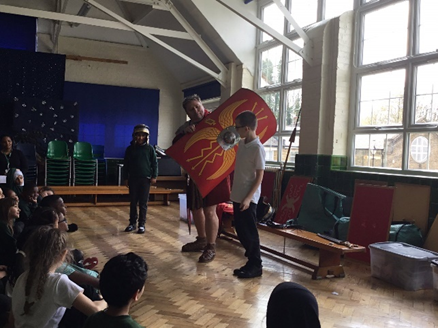
Pupils then learned about life in Roman Britain, particularly about gruesome punishment, slaves and bathhouses, before exploring more artefacts to learn about life in the Roman army. They met a Roman centurian and took part in pila throwing and making a shield wall. Finally, they ended the day with an exciting gladiator contest!
Photos: Year 4 pupils using replica artefacts to learn about life in the Roman army
Braunstone Frith Primary Academy: Year 4 Roman Day (April 2025)
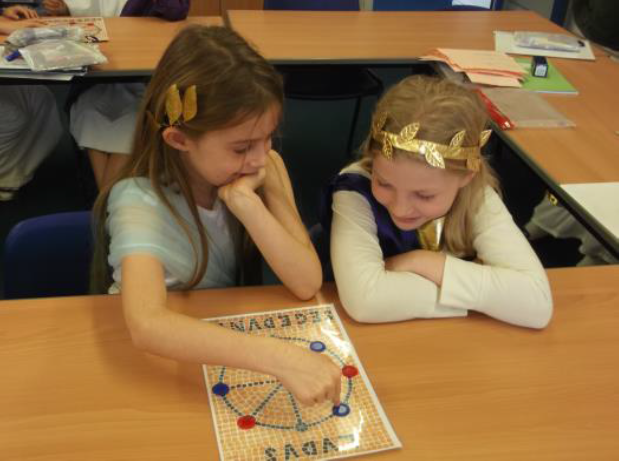
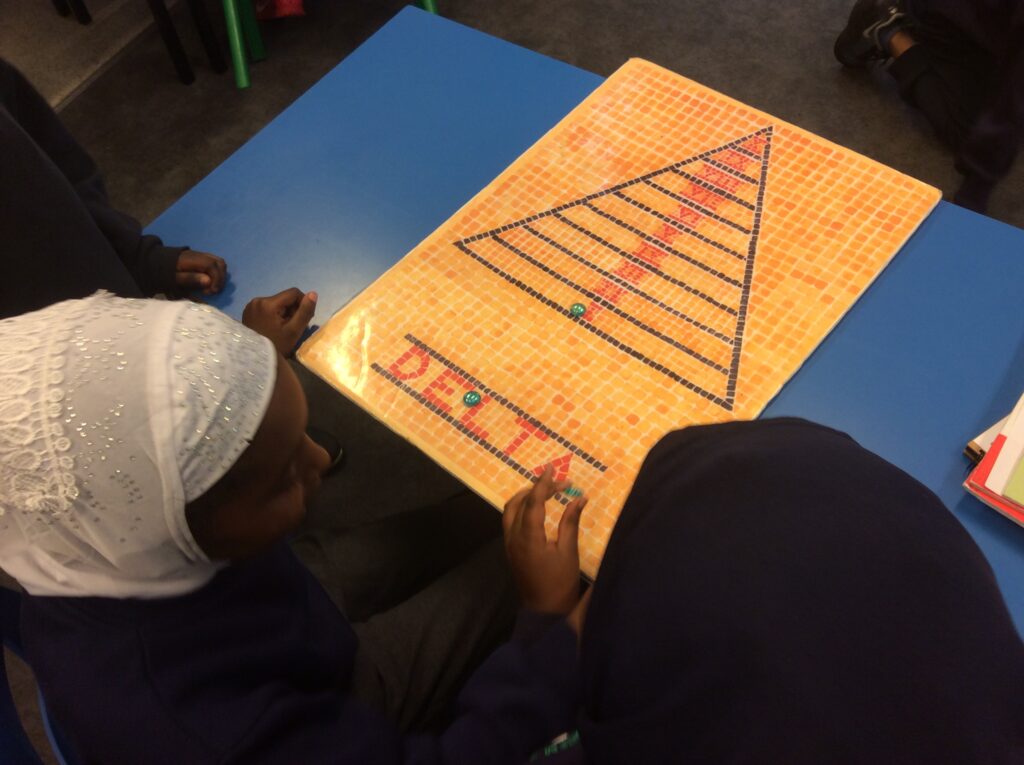
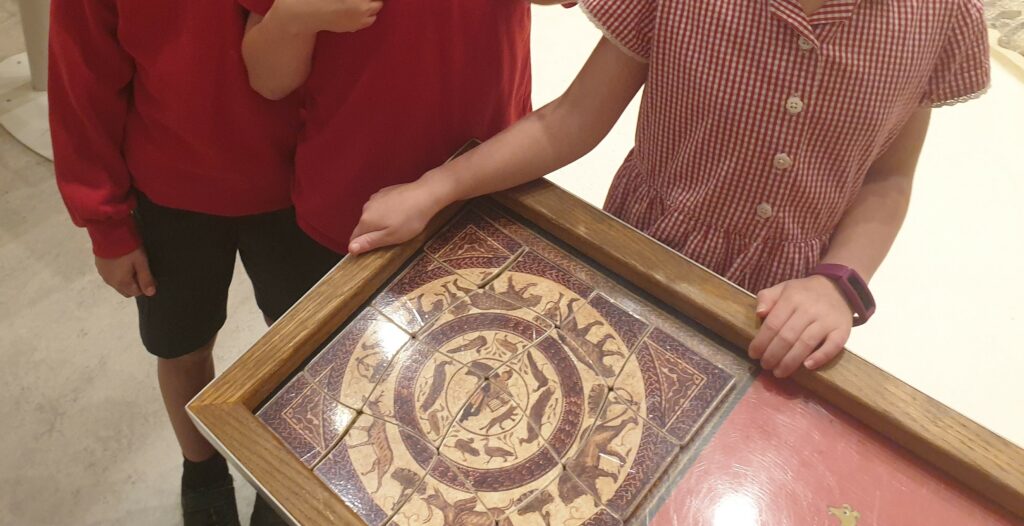
On Tuesday 8th April, the Year 4 pupils at Braunstone Frith Primary Academy held a Roman Day. With the grant kindly donated by The Classical Association, we purchased resources to buy Roman artifacts such as a replica shield, pottery, jewelry and coins. During the day, the children completed different activities such as an archaeological dig, where they found the objects and then discussed what they thought they were and who might have used them, etc. The children made Roman Mosaics and made their own Roman shields. To finish, they became Roman soldiers, marching across the playground and creating Roman formations. Thank you, The Classical Associated, as without your donation this would not have been possible. It brought their learning to life, and the children had a fantastic day creating core memories.
The children had an immersive and engaging experience with Ufton Court, exploring Roman Life.
They were able to handle artefacts and learn more about daily Roman life. The children seemed to particularly enjoy seeing models of Roman spears and shields. All of the children were incredibly engaged and went home buzzing.
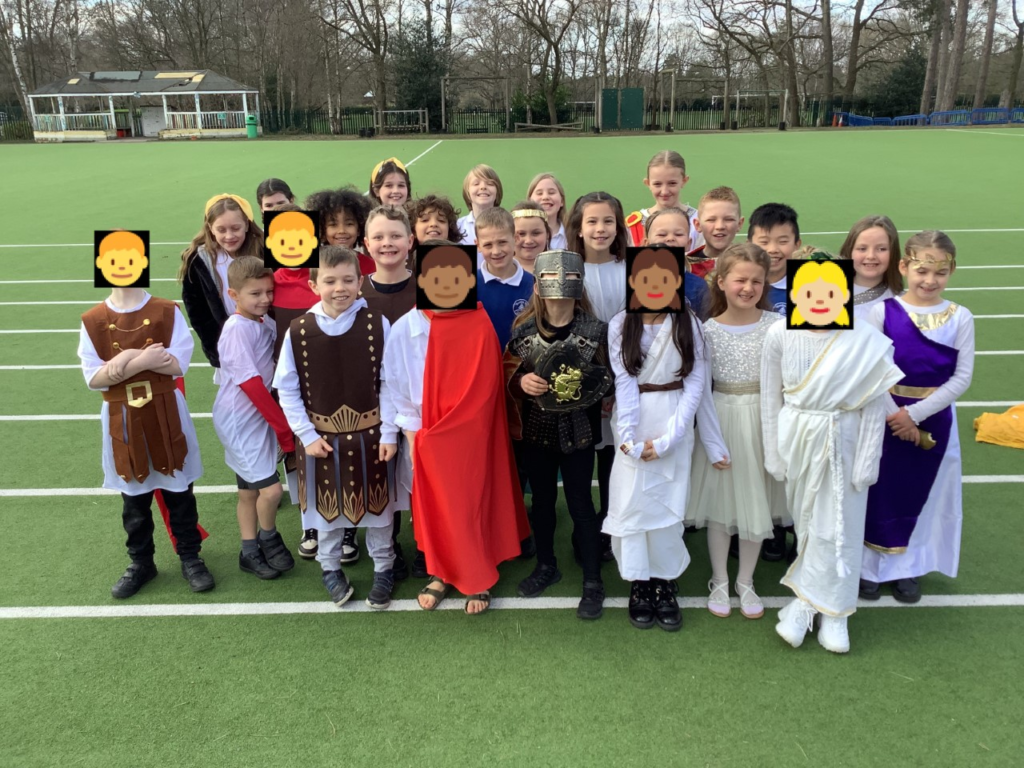
The Ufton Court team member also created a visual time line with the children, which really helped them learn about the chronology of events in Roman History. The children all came to school dressed in their best Roman attire, and the Year 4 teachers ensured to plan extra activities to supplement the day, including Roman mosaics.
Running for over 70 years at the University of Leeds, the Classics Reading Competition is a celebration of Classics, Reading and Performance for KS3, 4 and 5 students!
Participants filmed recorded responses to our category briefs, which included Ancient Languages categories, as well as cross-curricular categories designed to introduce those not already studying Classics to new topics.
Over 40 students from 11 different schools took part in the competition, sending their entries to be judged by our panel of academic judges. The judges made their decisions and selected our winners, who were provided with vouchers courtesy of The Classical Association’s grant fund.
Ysgol Derwenfa: Year 3 and 4 trip to Park in the Past (June 2025)
Thanks to generous funding from the Classical Association, our Year 3/4 pupils enjoyed an unforgettable trip to Park in the Past, bringing their Roman topic vividly to life. Greeted by a Roman soldier in full armour, the children were marched through the Celtic landscape to the fort, where they took the Roman legionary oath as new recruits.
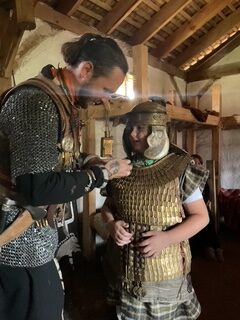
They explored life in a Roman fort, discovering how soldiers lived, trained, and defended their base. One lucky pupil even tried on authentic Roman armour! Later, the class joined a foraging patrol beyond the fort’s walls, learning how Romans gathered food, wood, and water while keeping watch for Celtic tribes.
The day offered a truly immersive experience, combining role play, history, and adventure. It deepened pupils’ understanding of Roman Britain and sparked curiosity that will continue to inspire their learning throughout the topic.
For Sparta! For Athens! The war cries of Ancient Greece could be heard echoing throughout the school when Year 3 & 4 enjoyed their history day.
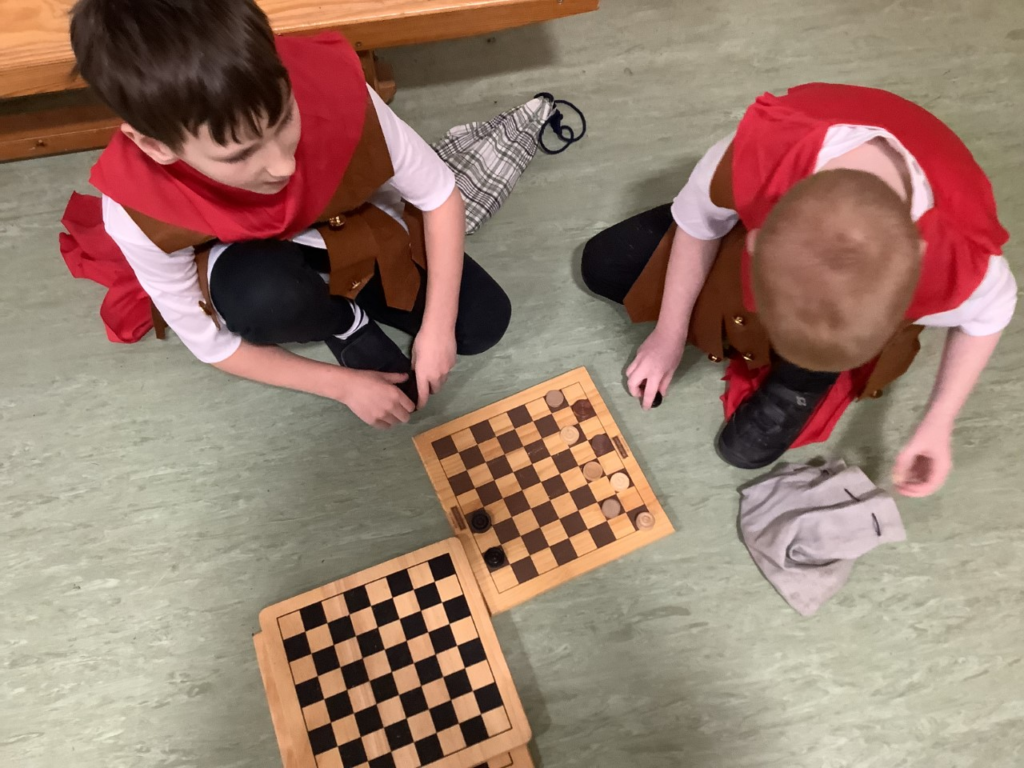
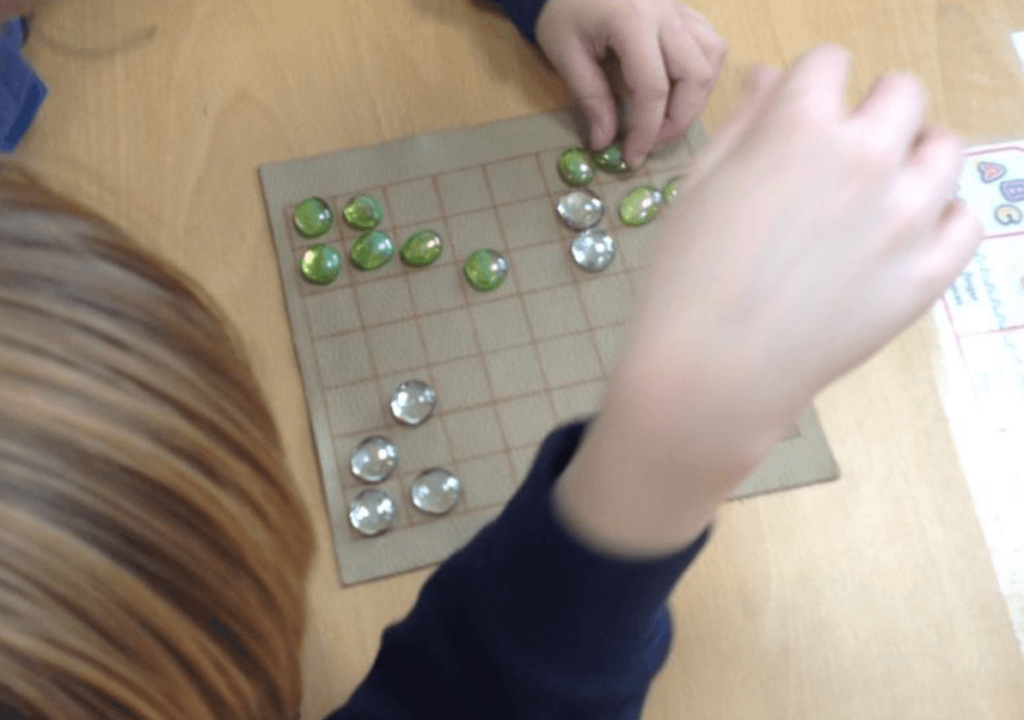
We started the day by taking part in a carousel of activities involving solving Ostomachion puzzles, playing traditional Ancient Greek board games and completing a quiz all about Ancient Greece. In the afternoon, we learnt about Greek warfare, took part in a javelin competition and ended the day with a traditional Greek play, complete with accurate Gods and Goddesses.
All of the children and staff that took part would like to give a huge thank you to Mike, from Portals to the Past, who ran the experience for the children. We would also like to thank the Classical Association who kindly approved a grant for St Paul’s in order to organise and run the day.
Stratton CofE Primary School: Year 4 trip to the Corinium Museum
Roman History has been brought to life for lucky pupils at Stratton CofE Primary near Cirencester.
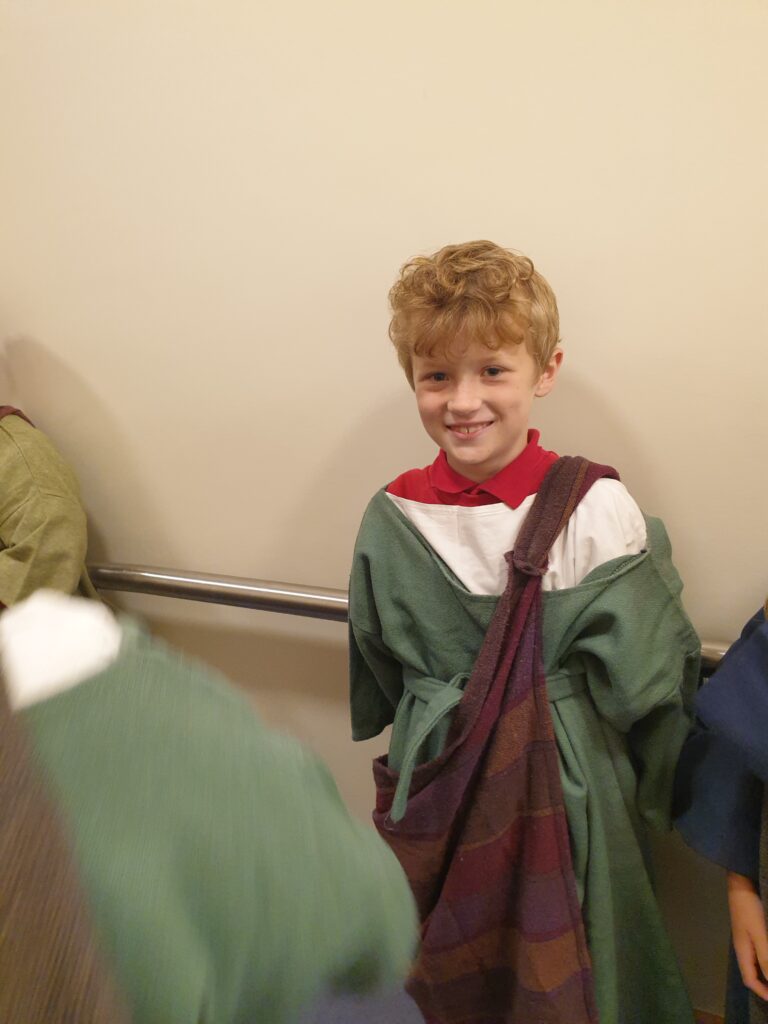
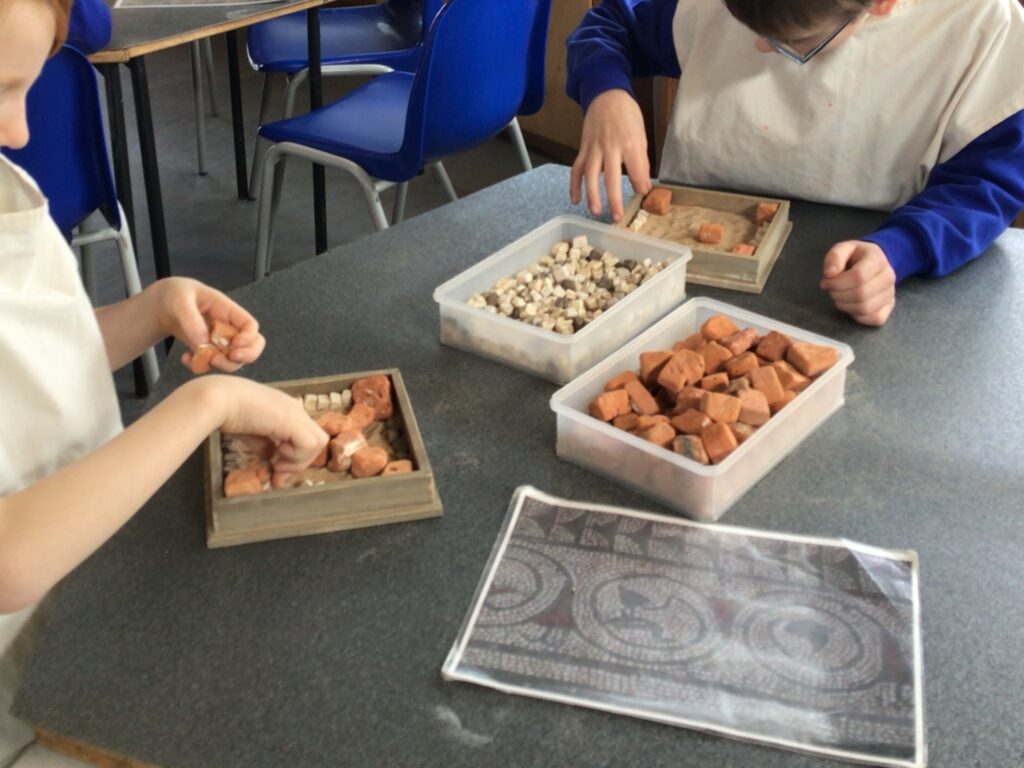
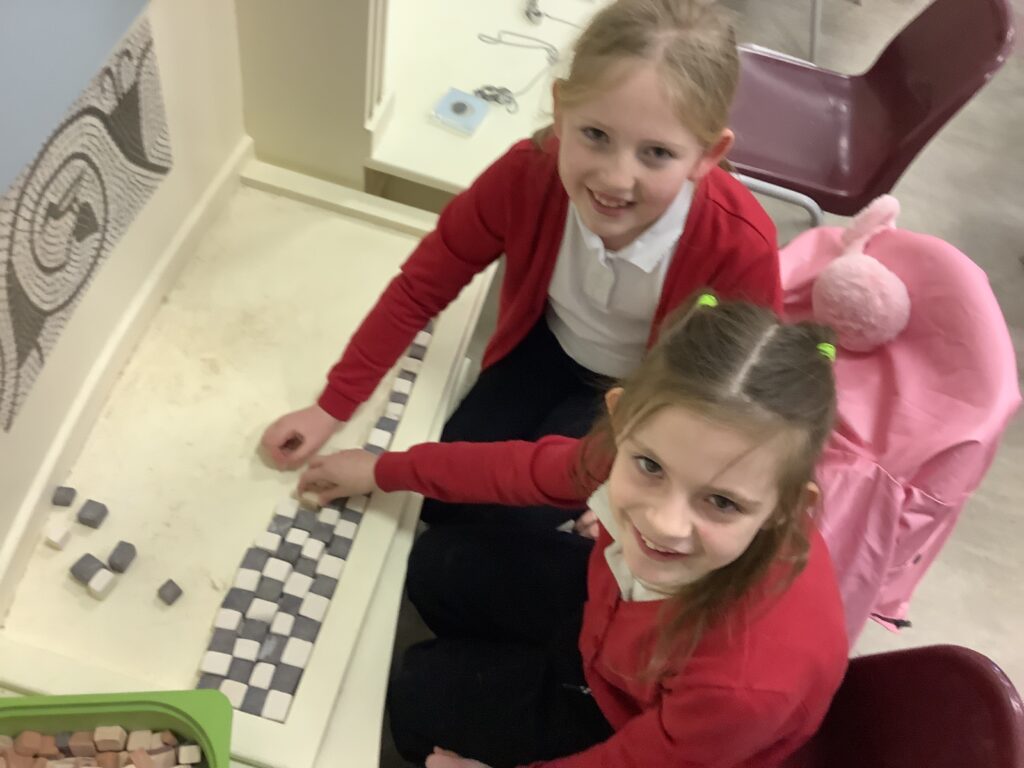
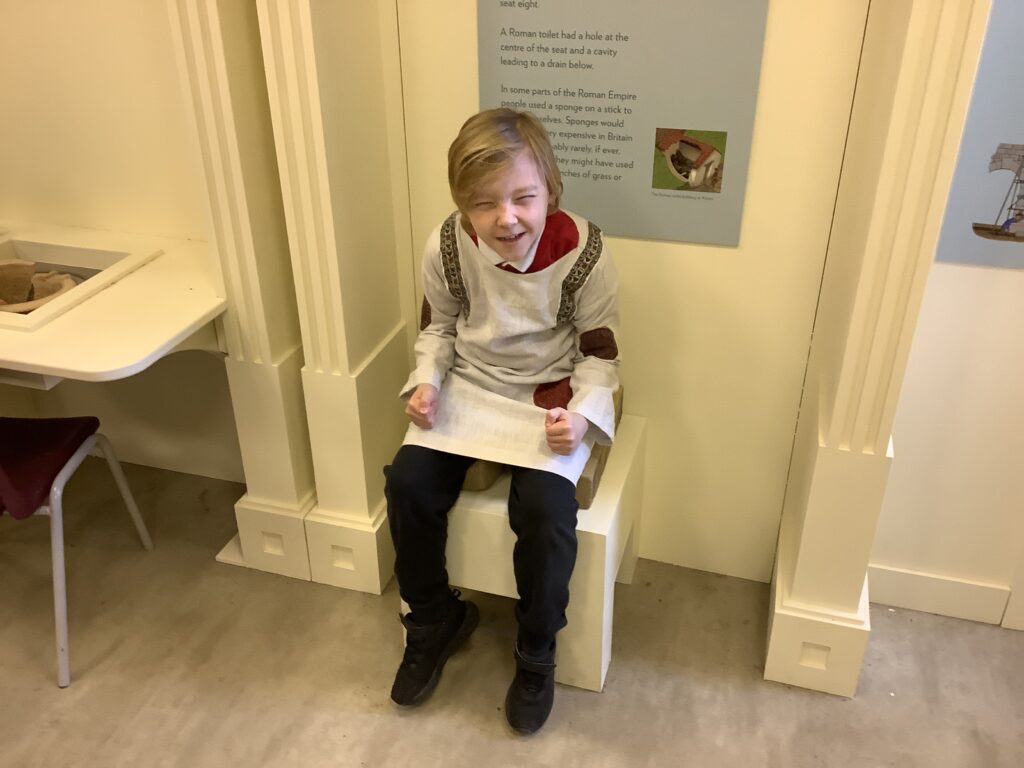
Its Year 4 pupils took part in an engaging, hands-on trip to the Corinium Museum, where they participated in a range of activities including mosaic making, Roman games, and dressing up in Roman clothing. Back in school, the learning has continued with use of a Loans Box from Stroud’s Museum in the Park providing further opportunities to touch and explore history. Pupils have been able to really immerse themselves in the subject and it has been a really wonderful introduction to Roman History for all the children.
Photos: Children take part in a mosaic activity/ A pupil dresses up in Roman clothing / Roman artefacts
Nayland Primary School: Year 3 and 4 visit to Colchester Castle (October 2025)
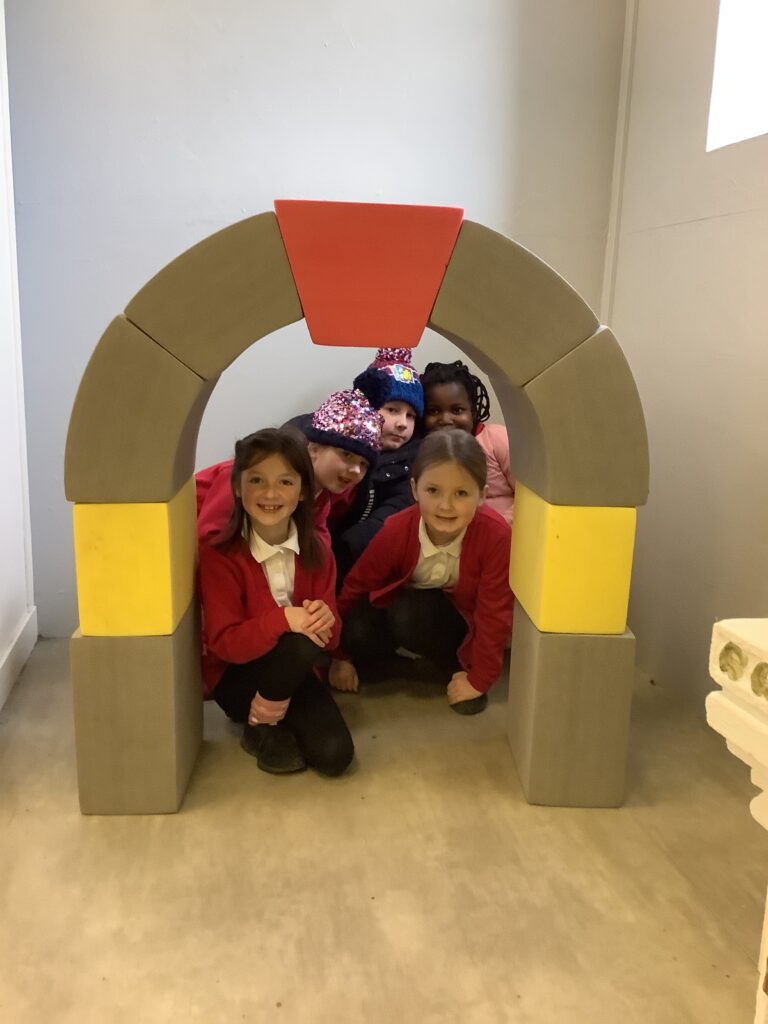
Year Three and Four pupils from Nayland Primary School brought their study of Romans in Britain to life during an exciting trip to Colchester Castle. The day was filled with hands-on activities, including dressing as Romans and Celts, building a Roman villa, exploring mosaic designs, and discovering how Roman underfloor heating compared with the simplicity of a Celtic roundhouse.
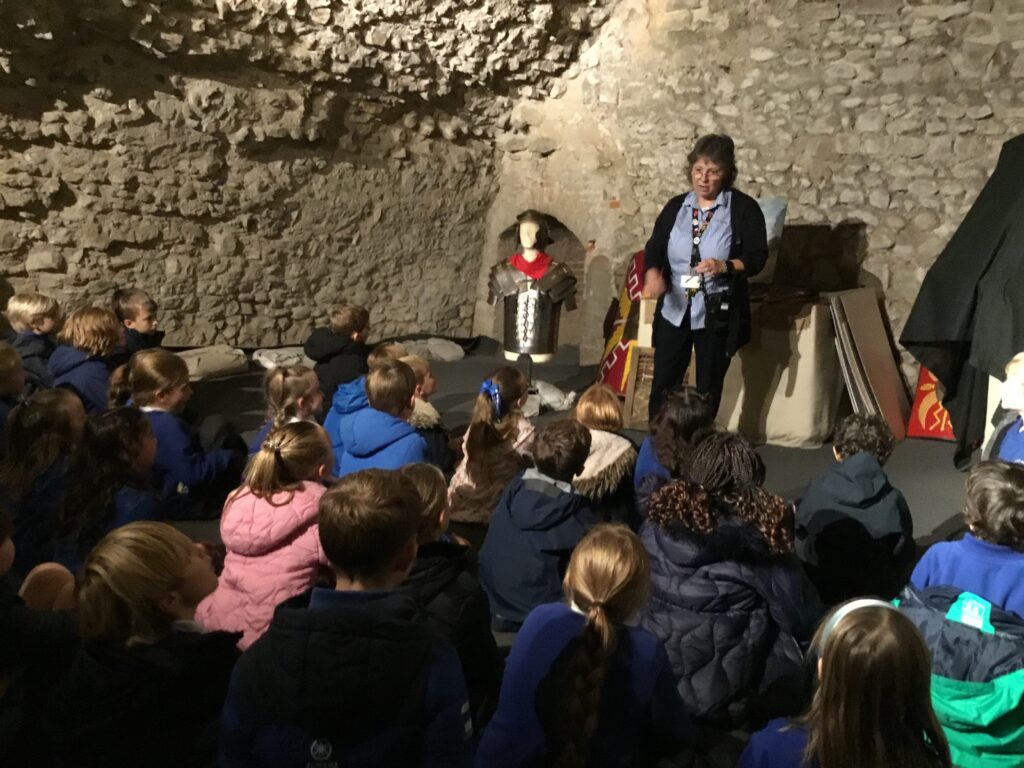
Inside the museum, children examined genuine Roman artefacts, including jewellery, pottery, and coins, marvelling at how these everyday items have survived for nearly two thousand years. A highlight of the visit was a storytelling session deep beneath the castle, where pupils descended twenty-one steps into the Roman vaults, vividly illustrating their journey back in time.
The visit not only deepened historical understanding but also inspired lasting enthusiasm for classical learning and Britain’s rich Roman heritage.
The Classics Reading Competition has run for over 70 years at the University of Leeds, and is a celebration of Classics, Reading and Performance.
It’s a great opportunity to introduce Classics to school students already familiar with English, History and Drama, highlighting the links to their current subjects and developing their oracy/public speaking skills in an exciting way. For students already studying Latin and Ancient Greek, it’s a fantastic opportunity to showcase their reading skills to our judges!
Key Stage 3, 4 and 5 students are invited to choose one (or two) of the categories, watch the corresponding ‘category briefing video’ and film a 2-3 minute video of themselves in response. Teachers were asked to collate the films for their school and send them to be judged by our competition final submission date. A panel of University of Leeds academic judges made their decisions and announce our winners!
Caythorpe Primary School Roman Day: ‘Romans on the Rampage’
At Caythorpe Primary School, we begin each new topic with a ‘Big Bang’ experience. Narnia class (Year 3/4) were lucky enough to welcome Lisa McCarthy from History Specialists to share her knowledge all about Romans through a series of practical activities.
The children undertook some training to become a Roman soldier and learnt how to march effectively and how to hold their shields in formation, recreating Roman legions. They then explored lots of artefacts from the Roman period, trying on outfits, helmets and playing Roman games.
Each child created a model of a body part, which in the Roman times it was believed would express any injuries or pain to the gods. The children found out about Boudicca and finally went on to become gladiators, capturing the animals which gladiators would fight, using nets and spears.
Nelson & Colne College: A Level trip to the British Museum (March 2025)
We were kindly offered a full grant by the Classical Association to enable us to make a day trip to London. This is the second time we have been and the extra money meant the trip was this time free. Many of our students come from deprieved areas and do not get many extra curricular oppertunities within their reach.
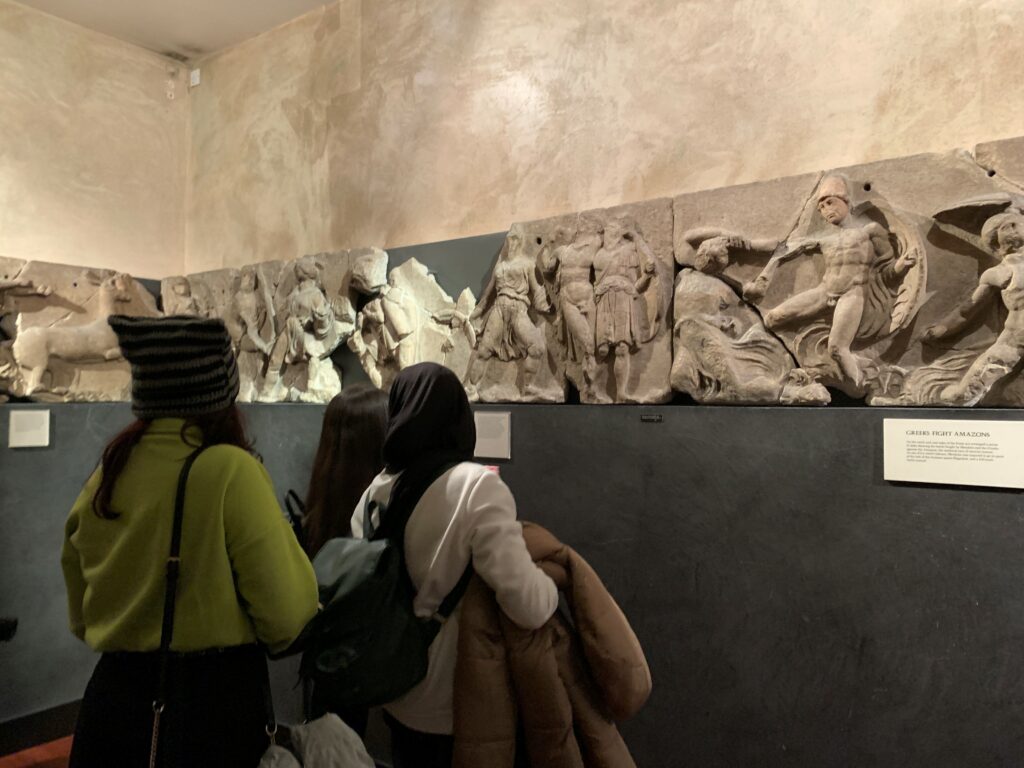
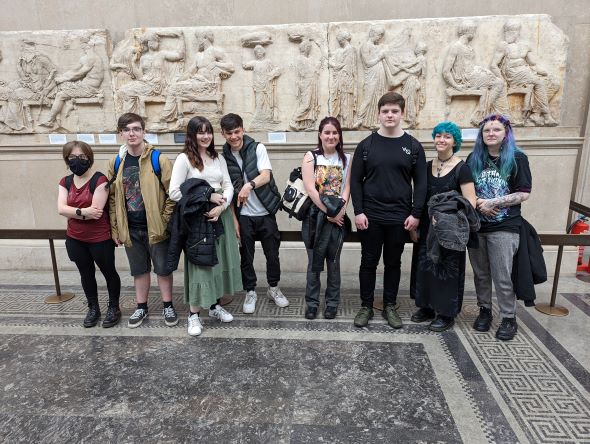
We were able to visit the British Museum where the students saw sources that we have studied come alive, such as the tombstone of the British procurator Julius Classicianus. We also saw the Parthenon Marbles which we will be studying next year as part of our Athenian depth study.
The students enjoyed their day in what would be an otherwise financially prohibitive daytrip to London.
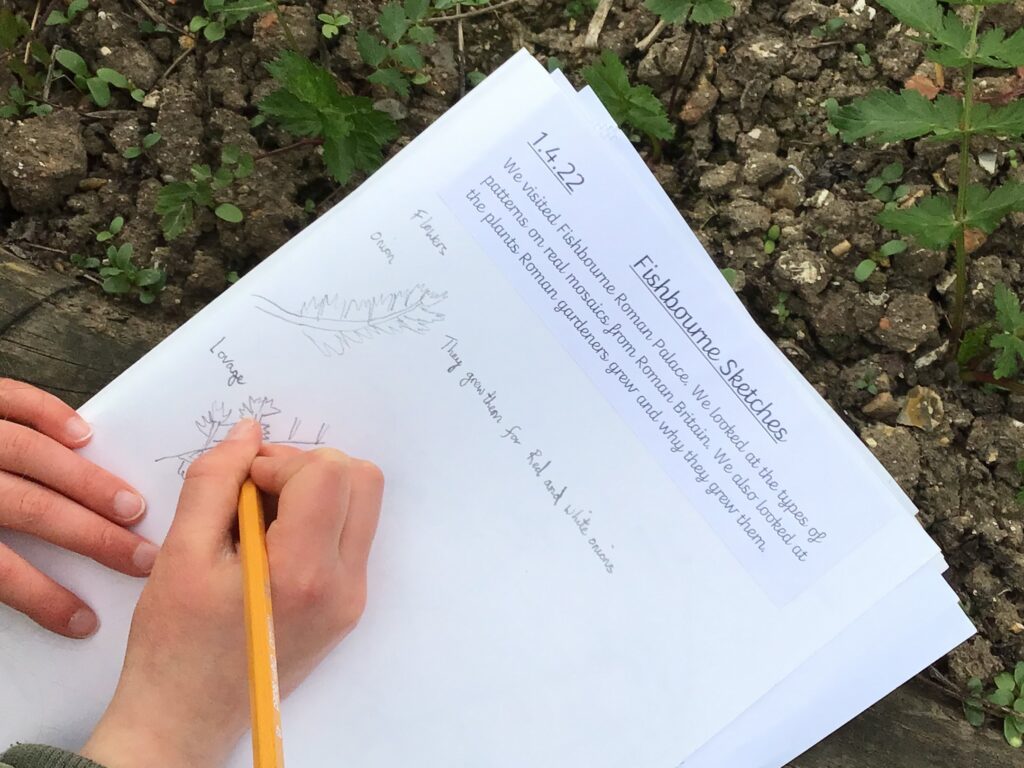
Puffins class visited Fishbourne Roman Palace where they sketched examples of patterns they saw on the mosaics as research to make their own back in school from paper and card. We also investigated the plants that the Romans introduced to Britain in the Fishbourne garden, and what they were used for. The children were surprised at how far away a lot of everyday foods originated!
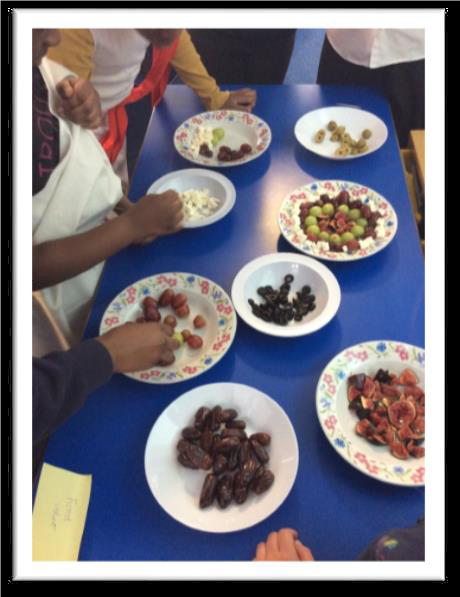
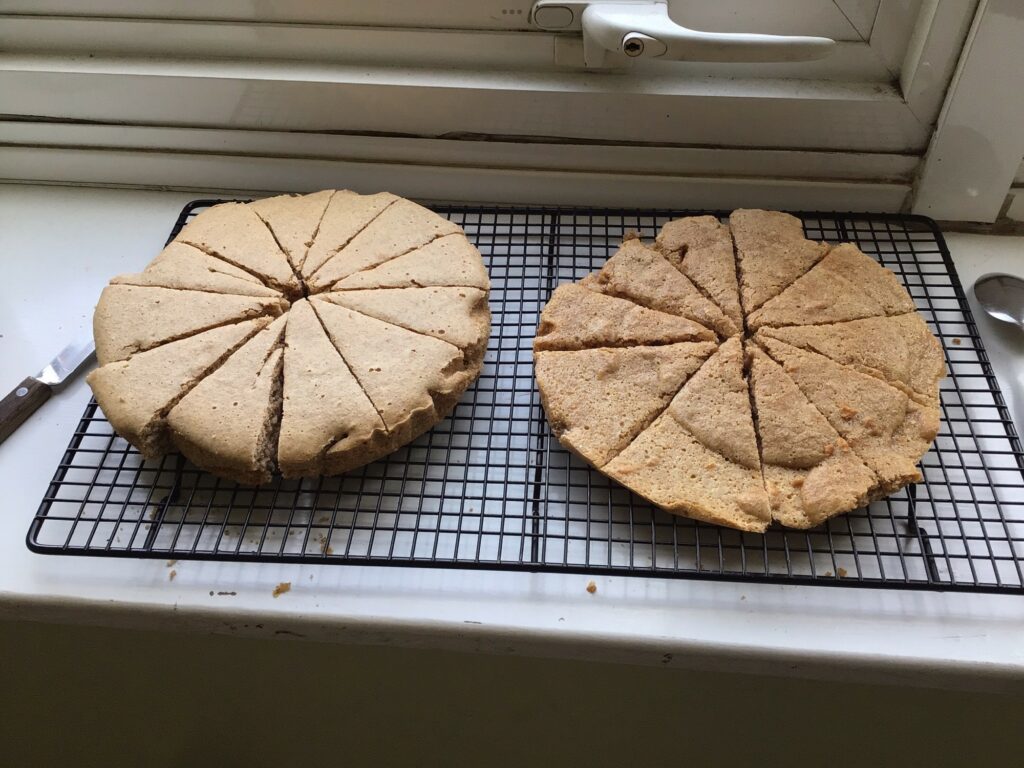
On the Tuesday we had our Roman feast. The children ate carrots, cucumbers, olives and asparagus which they had investigated at Fishbourne, but were most excited about baking the honey cake. The children cooked a simple recipe of spelt flour (they had enjoyed spinning the millstone in the Fishbourne Roman kitchen replica!), eggs and honey.
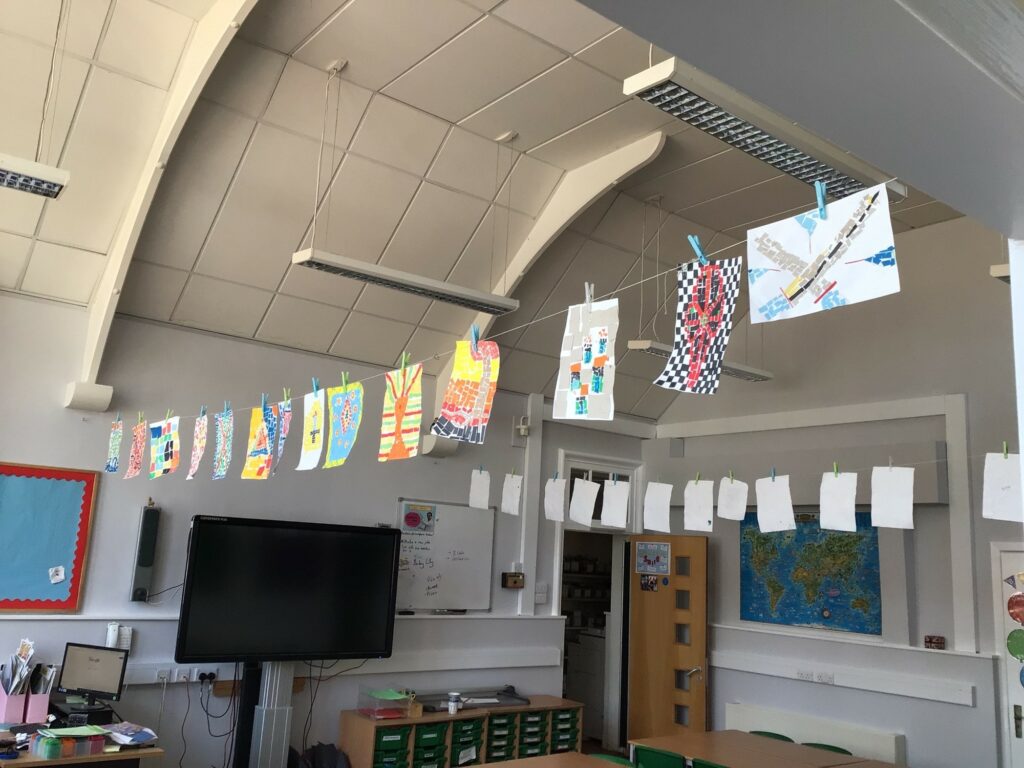
Photos: the children’s mosaics, sketching herbs in the Fishbourne garden, baking the honey cake at school, eating food introduced to Britain by the Romans while listening to Aulos music, and two of the honey cakes with ingredient amounts varied to investigate what the Romans used each ingredient for.
St Christopher’s CoE High School: Visit to Warwick University Ancient Drama Festival
Students from St Christopher’s Sixth Form in Accrington were provided a grant from the Classical Association to cover the cost of a minibus for pupils to attend the Schools Day organised by Warwick University Classics Department.
Students enjoyed listening to a series of lectures from Dr Emmanuela Bakola, Dr Paul Grigsby and Dr Xavier Buxton. Following on from this, they were given the opportunity to explore the university campus for lunch, and to get a feel for university life. Students then watched an excellent performance of Aeschylus’ Persians, which brought their studies of Greek Theatre to life.
The students had an excellent day, experiencing a university campus, performance of a Greek tragedy and insightful lectures to aid their studies.
St Chad’s CE Primary School: Year 4 visit to Chester Deva Experience (March 2025)
St. Chad’s used the grant funding to take our Year 4 pupils on an educational visit to Chester Deva Experience. The funding subsided the cost of the trip and allowed pupils to take part in an immersive experience which explored what life what like in Roman Britain.
Throughout the day we were able to study Roman Artefacts, dress and act as Roman Army Soldiers and explore some archaeological dig sites that were found in Chester itself. Overall, this was a fantastic day which the children thoroughly enjoyed and deepened their understanding life in Roman Britain.
Some of the funding has been allocated to create a Roman museum in a box, containing replica artefacts and information books that the children can use to experience Roman history during their lessons.
Thanks to the generous funding from the CA, all of our Y12 and Y13s were able to attend the BMCA’s 2022 Classics study day.
Our students were able to benefit from quality revision sessions on the Peloponnesian War and the presentation of power in the Julio-Claudian dynasty, as well as gain guidance from Birmingham admissions tutors on the options and opportunities of Classics degrees. Our students got to experience real life on a Russell Group university campus and see the benefits and fun that a university education to offer, many students expressed an interest in applying not just to UoB but to applying to university all together, which is something they’d be unsure of previously.
Photo: Students from Aldridge in front of the University of Birmingham’s famous ‘Old Joe’ clock tower
Xaverian College: Visit to Warwick University Ancient Drama Festival
We recently had the pleasure of attending the Warwick Ancient Drama Festival, and it was an unforgettable experience for both students and teachers.
This year’s highlight was Aeschylus’ The Persians, a powerful Greek tragedy brought to life by Warwick’s Classics students at the newly-renovated Warwick Arts Centre.
The day was packed with enriching activities. We began with two engaging lectures: Dr. Emmanuela Bakola provided an insightful introduction to Greek theatre, while Dr. Paul Grigsby delved into the historical context of The Persians. These talks set the stage perfectly for the afternoon seminars, where students explored themes like fear and imagery in Aeschylus’ work.
The performance itself was captivating, with the students delivering a stirring portrayal of ancient events at the battle of Salamis.
It was remarkable to see such a complex piece of history presented so vividly. Overall, the festival was an invaluable educational experience, deepening our students’ appreciation for Ancient History and Classical Civilisation.
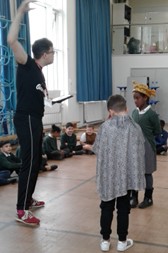
The workshop took place towards the end of our topic and was used to enhance pupil experience of The Romans. A facilitator came with props and delivered two-hour long workshops for year 3 which incorporated facts (about buildings, inventions, Gods) and stories (Romulus and Remus).
They were in the format of game shows and talent shows which was creative in getting all the children active in learning. They performed to each other and took on roles during the workshops. The pupils enjoyed the experience and were able to explore the story of Romulus and Remus. They were able to consolidate their knowledge of Roman Gods, lifestyle, entertainment and justice. Enthusiastically, pupils retold the events that took place in the Colosseum and theatre.
Overall, feedback from pupils was that the day was helpful in their learning and also provided them with some additional knowledge.
Photo: Year 3 acting out the story of Romulus and Remus
Bewley Primary School: Year 3 visit to Arbeia Roman Fort
A fantastic day for the children to learn about life as a Roman soldier in a fort.
The children were able to touch primary sources and visit the exhibits showing how life was for different ranks in the Roman Army – they all agreed they would like to be a ‘commanding officer’. They particularly enjoyed the visit to the toilets and asked lots of questions about why Romans shared a sponge!
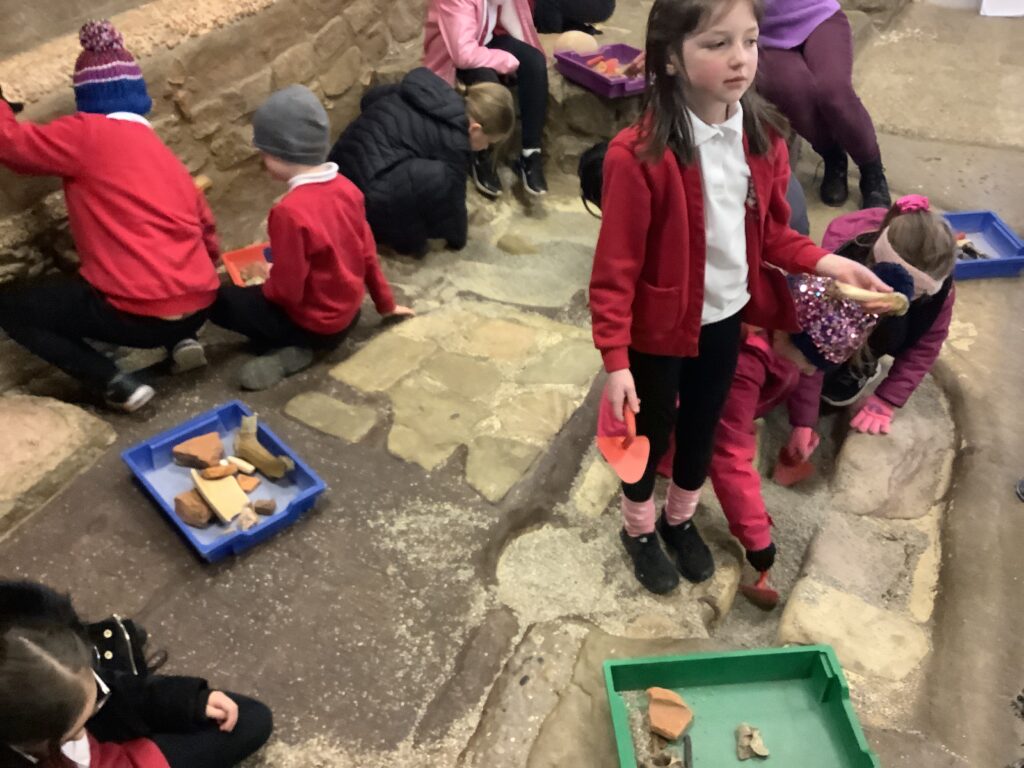
Another highlight of the day was ‘The Dig’ where we were able to go in to the archaeology simulation space and learn about the job of archaeologists.
We finished the day looking over the site, having climbed the gatehouse. This is a trip we will be repeating next year.
A group of A Level Ancient History students travelled to London from Preston to visit the British Museum and London Mithraeum.
This enriched their study of the subject as they were able to see artefacts we study in the classroom in real life. The British Museum was amazing as they were able to broaden their understanding of differing cultures of the world, including prescribed sources from our study. There was also crossover with modern history due to the African gallery on the bottom floor.
The London Mithraeum was also interesting as it had a experiential element with a pseudo-ceremony as part of the viewing. The students study the Romanisation of Britain including foreign cults, therefore it was a perfect example for them.
Without the grant the travel costs make the trip unfeasible, and it enriched their understanding of the subject.
Thanks to the funding from The Classical Association, we were able to host Greek theatre workshops for Year 7. Under the guidance of the Actors of Dionysus Theatre Company, students created small devised Greek theatre performances that drew on the myths and legends knowledge from their Cultural Studies lessons and combined with their theatrical knowledge from the English topic. Students engaged and responded well.
“It was a wonderful experience getting to know Greek Theatre. It was creative and fun working with my friends. We were able to find out many interesting facts”. Hamsika NHGS Student
“The workshop was an incredible opportunity for us to learn about the Greek theatres and how they performed. Our guide was inspiring and showed us how we can express ourselves through acting.” Collette NHGS Student
Allerton Grange School: An Audience with Jennifer Saint
Allerton Grange School in Leeds were awarded a grant to host an audience with best-selling author Jennifer Saint in order to raise the profile of the study of Classics amongst students, parents and the local community. Jennifer has brought to life the untold stories of women from Greek mythology in her books Ariadne, Elektra, Atalanta and Hera.
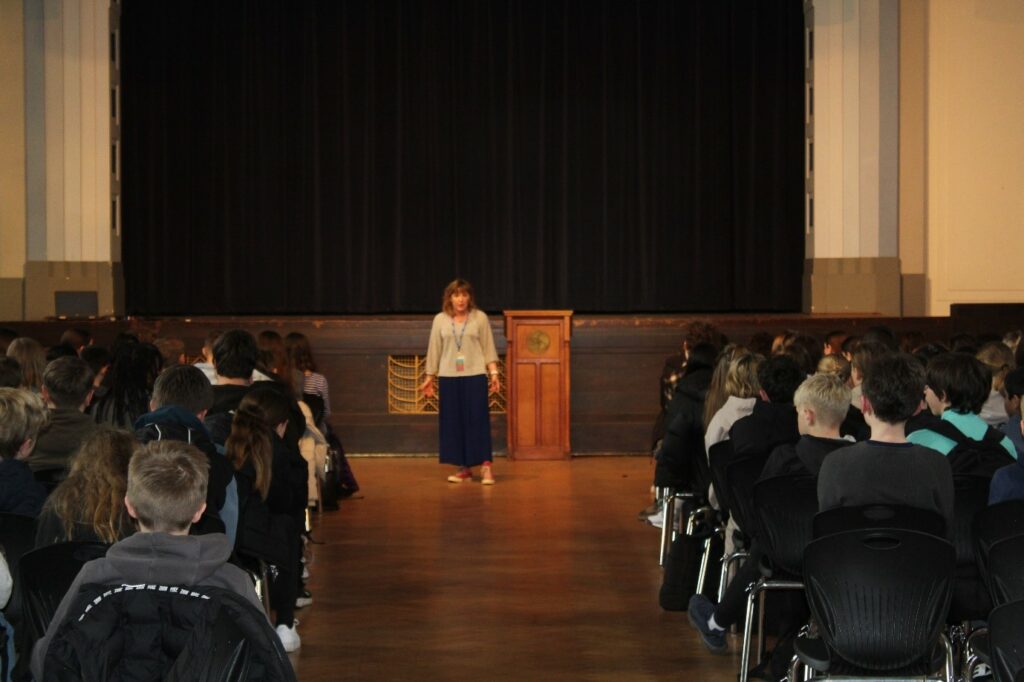
Jennifer delivered assemblies to Years 7, 8 and 9 on ‘Ancient Myth in the Modern World’ where she focused on how mythology and the ancient world can still be seen all around us and is relevant to the present day. She also ran a lecture on Theseus to GCSE students and had conversations about the classical world with A Level students.
In addition, we held ‘An audience with Jennifer Saint’ in the evening for parents and members of the wider school community to attend.
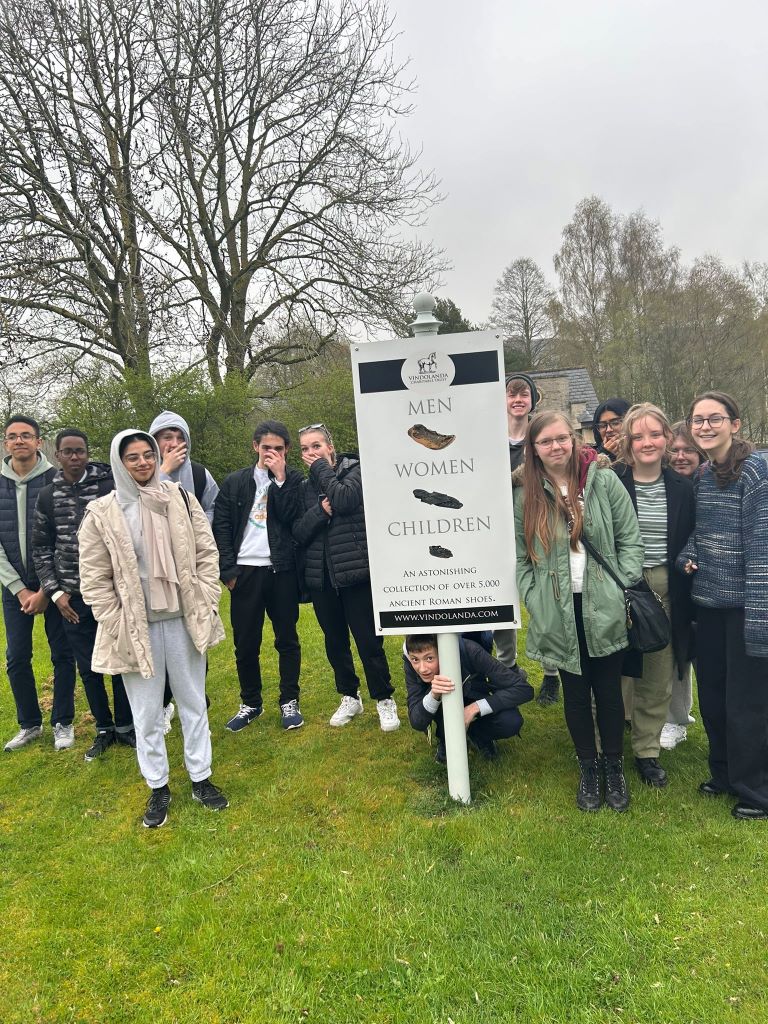
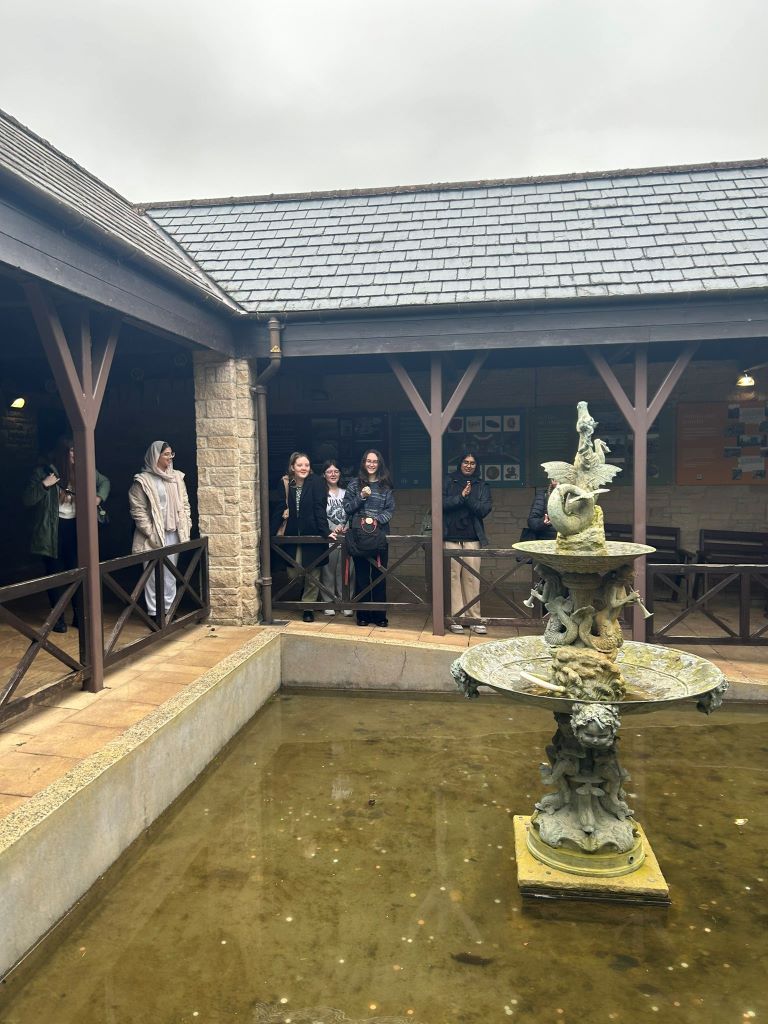
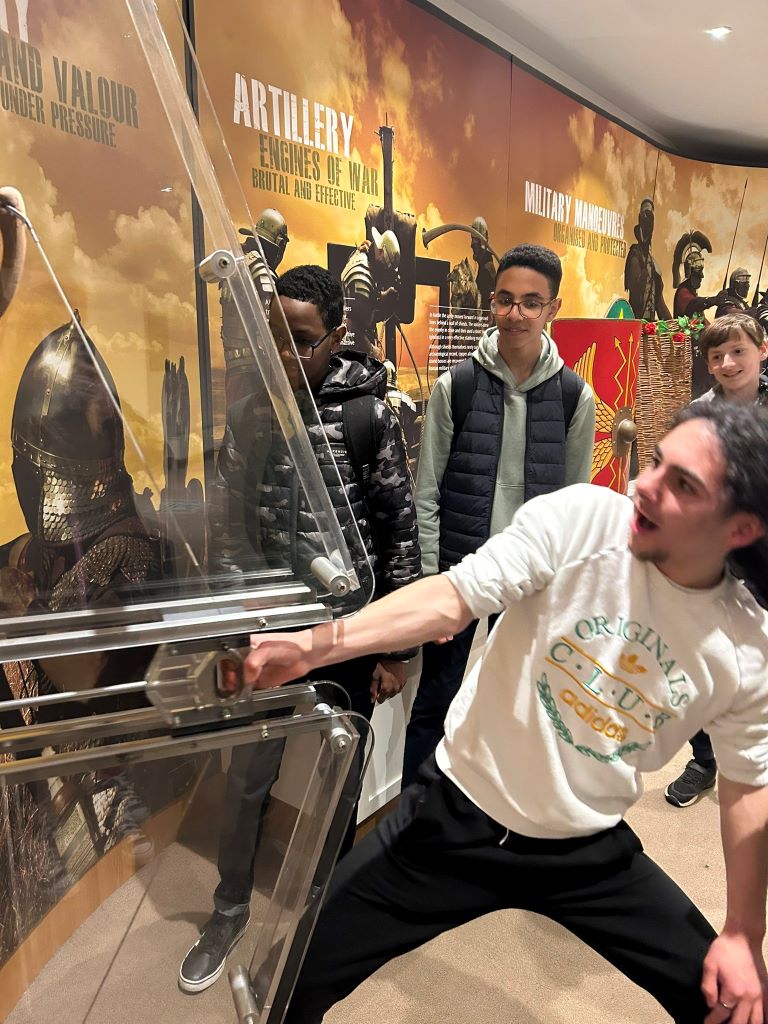
Year 10 Latin students at Sharples School visited the Roman town of Vindolanda and the Museum there as part of their studies.
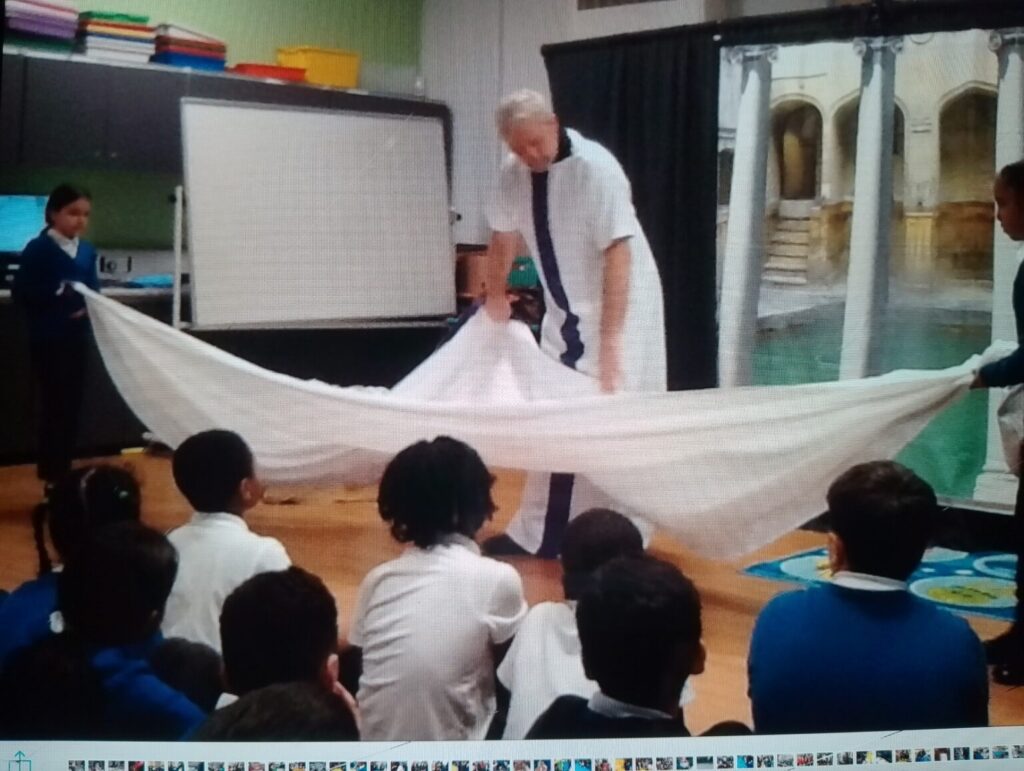
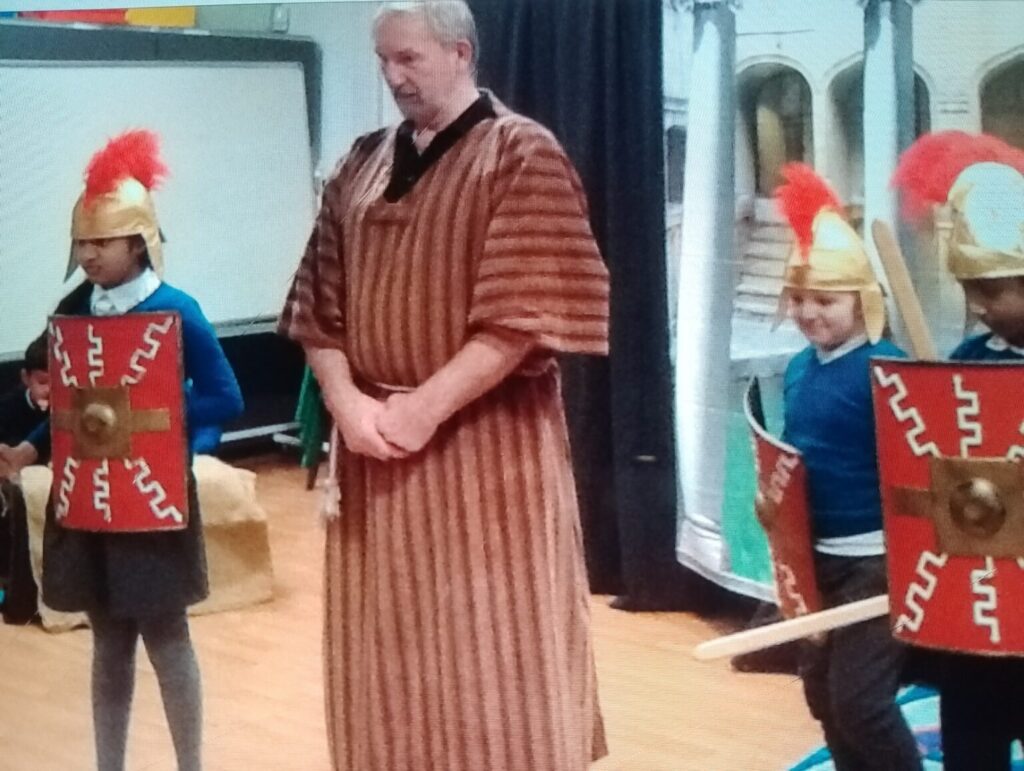
They took part in a virtual Latin lesson, visited the remains of the town itself and watched a 3D Film about life at Vindolanda. It was a fully immersive experience for our students who have been studying classical texts during their Latin course.
The children in Year 4 are learning about the Romans and their occupation of Britain. As part of this, we visited Arbeia Roman Fort to gain a more ‘hands on’ understanding of life as a Roman soldier in Britain.
The children started their morning with an object handling workshop, gaining a greater understanding of what we can learn about the Romans from what they left behind. They learned that the fort was occupied by many more people than only soldiers.
After the workshop, the children explored the site; including the Commanding Officer’s Quarters, the Soldier’s Barracks and the West Gate. They finished their trip by visiting the museum, exploring the artefacts there with their newfound knowledge and hearing a brief presentation about the armour and other equipment worn by Roman soldiers.
With the generous support of the Classical Association, the Classics Department at Kelmscott School was able to put on their first annual Classics Celebration Day.
The day began with a visual welcome from Dame Mary Beard, followed by thought-provoking talks from our guest speakers: Professor Edith Hall, Jasmine Elmer, Caroline Lawrence, Dr Mai Musie, Natalie Haynes, just to name a few. Key Stage Three students had the opportunity to engage in dramatic performances, led by Paul O’Mahony from Out of Chaos Theatre company and Alisa Vanlit from Gladiatrix.
We are very grateful to the CA for supporting state schools like Kelmscott to expand and develop their Classics provisions- thank you!
You can also read a blogpost by Head of Classics Saziye Ahmet here.
High Storrs School: Episodes from Jason and the Argonauts, by storyteller Lucy Lill
Lucy arrived in plenty of time for us to make a prompt start. She was introduced by Gina Johnson, the Head of Classics, who thanked the National Classical Association for their generous funding of the event.
Lucy told various episodes from the Jason cycle of stories to our entire Y8 cohort of 240 students, plus a few Y9s and Y12s, for almost an hour, holding her audience spellbound throughout with her skill and energy. It was wonderful to see the oral tradition still alive and kicking! There was time for a few questions at the end and there were many hands up, mostly wanting to know what happened next – a sure sign that the students were fully engaged in the process. Applause was loud and long.
One of the main reasons we were delighted to have Lucy in school at this particular point in the academic year is that our Y8s are about to embark on the Options Process where they make their GCSE choices. We have no curriculum time in Y8 so we are always keen to find ways of connecting with these students outside normal lesson time in the hope of increasing GCSE numbers for both Classical Civilisation and Latin.
It will be another couple of months before we can see whether Lucy’s visit has indeed boosted our numbers of recruits but a few more students attended Y8 Classics Club the following day and a couple of students came to ask about Classical Civilisation GCSE so, perhaps, the signs are positive. The event certainly served to remind the Y8s that there is a Classics Department at High Storrs and they all thoroughly enjoyed it.
This fantastic event brought Ancient Greece to life for the children of our school.
They immersed themselves into the classical world, starting a journey of discovery into the experiences, sights and sounds not just of Ancient Greece but also through time.
We are sure that this will encourage the children to really think about how different civilisations have helped shape the modern world and they will use the skills and knowledge they learnt as they continue to study other aspects of world history and different classical civilisations throughout their time in education and, hopefully, beyond.
Talycopa Primary School: Year 6 visit to the Egypt Centre at Swansea University
When visiting the Egypt Centre at Swansea University the children had the opportunity to learn about clothing in the Egyptian Civilisation. They also learnt about the importance of the River Nile to the the Egyptians and how flax was important for making clothes and trade.
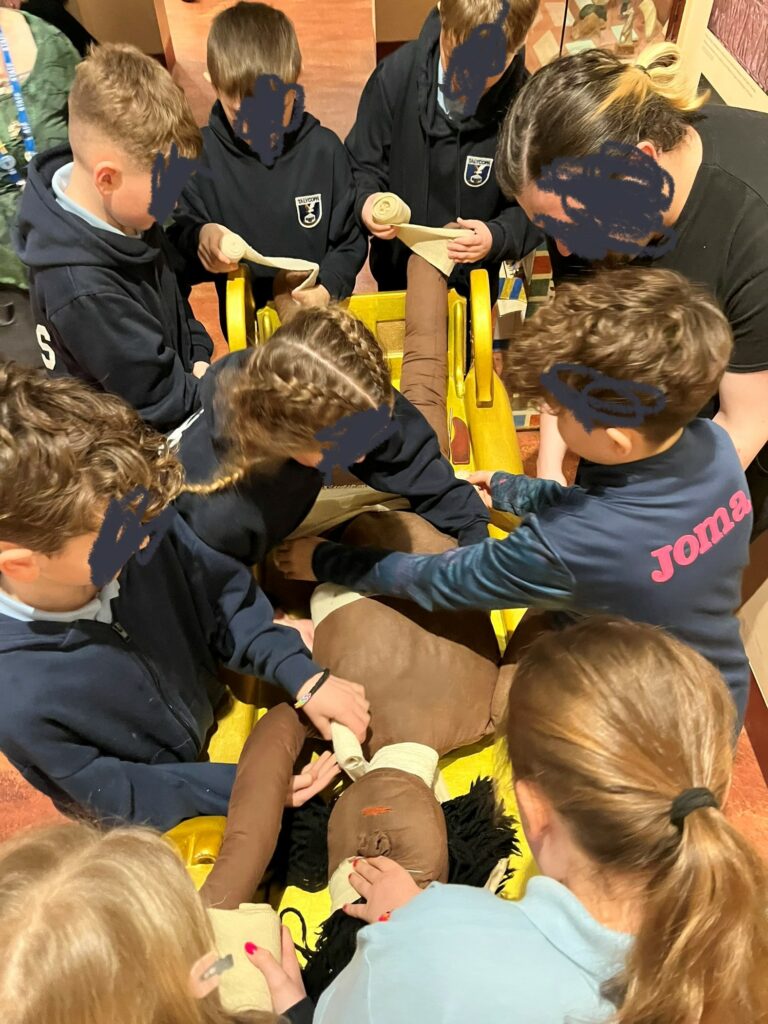
The mummification workshop involved the children taking part in a role play where they mummified a doll. The children placed the correct ‘organs’ into the canopic jars, looked at real natron and discussed the different amulets placed over the bandages and their significance in Egyptian beliefs. The children also took part in the ‘Weighing of the Heart’ ritual role play, where some dressed as priests, gods and Ammut the devourer. The then created and drew their own versions of Ammut.
The children dressed up to act out the story of Osiris and Horus, and then used this knowledge to draw their own Egyptian god. They were then challenged to see who could find the most gods on all of the original artefacts around the gallery.
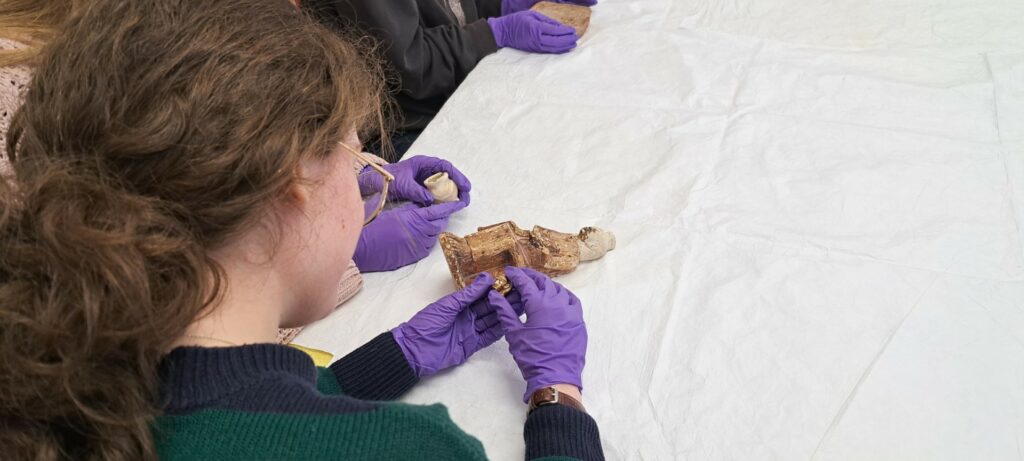
To finish the day, the children donned white gloves and were able to handle original artefacts.
George Dixon Primary School: Roman Workshop – ‘The Resourceful Romans’
We received a grant that allowed our pupils to travel back in time to when the Romans lived. Two Roman workshops were held at our school during the same day to allow each Year 4 class as much time as was possible to engage with the activities.
The day began with an introduction to who the Romans were and why they invaded Britain. After that, children explored interesting Roman artefacts and answered the question ‘What have the Romans done for us?’. Pupils experienced how slave auctions worked and what the role of slaves in the Roman times were.
All pupils explored what it was like to be a soldier in an army. They took part in building Hadrian’s wall and exploring the reasons why it was important. Finally, they ended each workshop with being senators and discussed laws for the Roman empire.
This memorable and educational workshop made a difference to pupil’s engagement, enjoyment and understanding of the Romans and their impact on Britain. One of them said ‘’It was amazing to be a senator and make these laws. It was so good to have power over others.’’ An other commented ‘’Life was very difficult for slaves. I would not like to be one of them.’’
Pakeman Primary School was lucky enough to receive funding for 3 Ancient Greek workshops delivered to our Year 5 and 6 classes in November 2022.
In the workshops the children found out what was Greek myth and fact, uncovering the scary truth about Medusa, learning what family life was like and the grizzly reality of being a Greek slave. The children also learned about Helen of Troy and why she caused such a stir.
It really brought the children’s learning to life and was a great opportunity for many of our children to learn new facts about the Greeks in a fun and accessible way! Being located in a deprived area of Holloway, our children do not always have the opportunity to access museums, exhibitions or workshops due to cost so having these sessions in school was a real treat and highlight of their learning.
University of Durham: North East Sixth Form Classicists Summit
During the Easter holidays 23 classics enthustiasts from sixth forms around the region gathered to explore Roman influence around the Mediterranean and then closer to home around the North East.
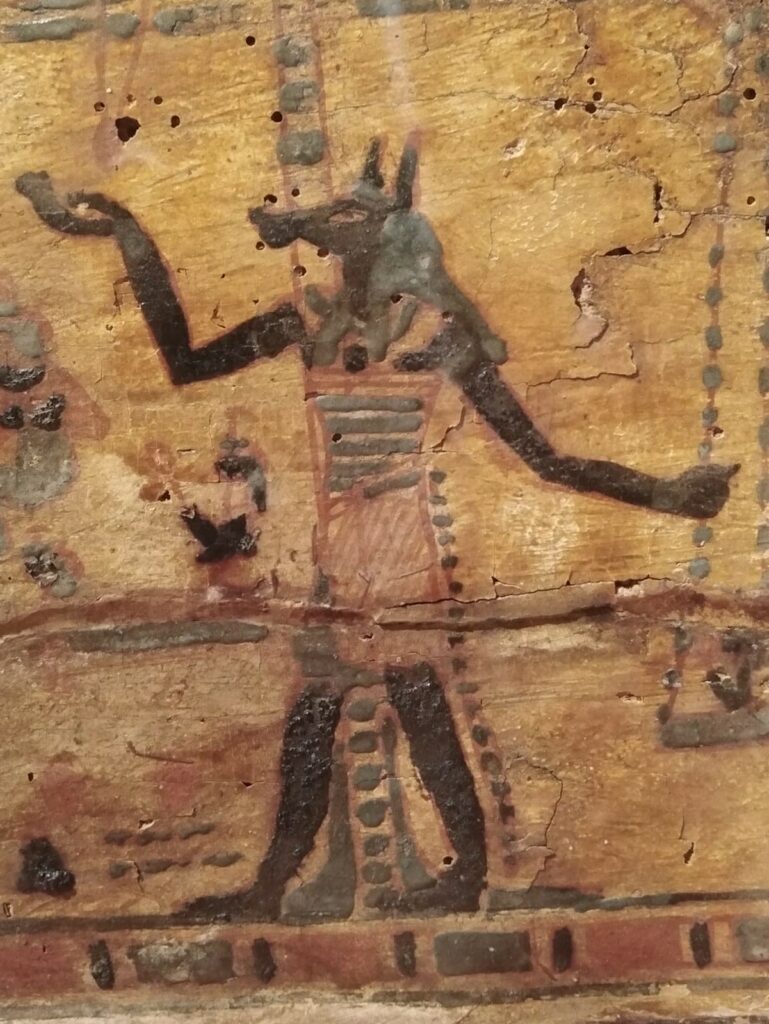
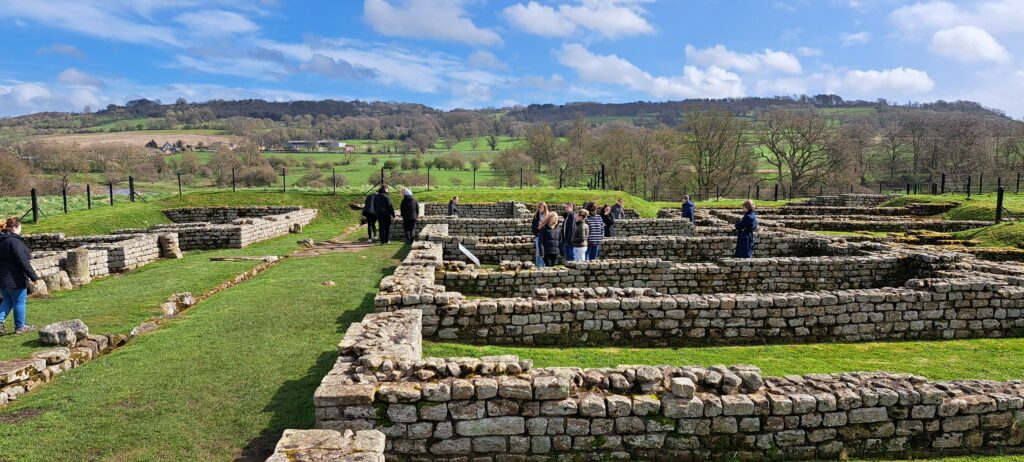
We explored Egyptian mummies in the period of Roman rule, Roman mummies in Egypt, and the intersection between Egypt and Rome under the influence of the reign of Cleopatra VII. We then turned to our rich local heritage, using funds from the CA to transport students to the Roman forts of Housesteads and Chesters and explore the evidence for settlements and daily life of people serving the Roman empire from around the Mediterranean.
We examined everyday items from Roman soldiers’ equipment, inscriptions to local deities, and investigated the extensive bath facilities of Chesters as well as the adapted facilities to house horses for the cavalry.
Student feedback was overwhelmingly positive, with most students impressed with the extent of opportunities to learn about Classics locally through facilities at the university and actual sites along Hadrian’s Wall.












Recent Comments