Classical Quarterly
OUR JOURNALS
Since its foundation in 1908, The Classical Quarterly has had a reputation for publishing classical scholarship of the highest quality. It publishes research papers and shorter notes in the fields of Greek and Latin language, literature, history and philosophy. Two substantial issues of The Classical Quarterly appear each year; and given the quality, range and depth of the articles which the journal publishes, no serious classical library can do without a subscription.

About the Editors
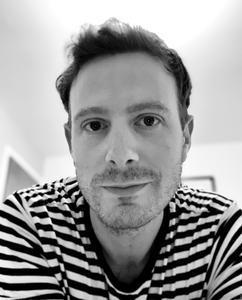
Dr Thomas Biggs
Thomas Biggs is a Lecturer in Latin at the University of St Andrews. He has a wide range of interests spanning literature, cultural history, and reception.
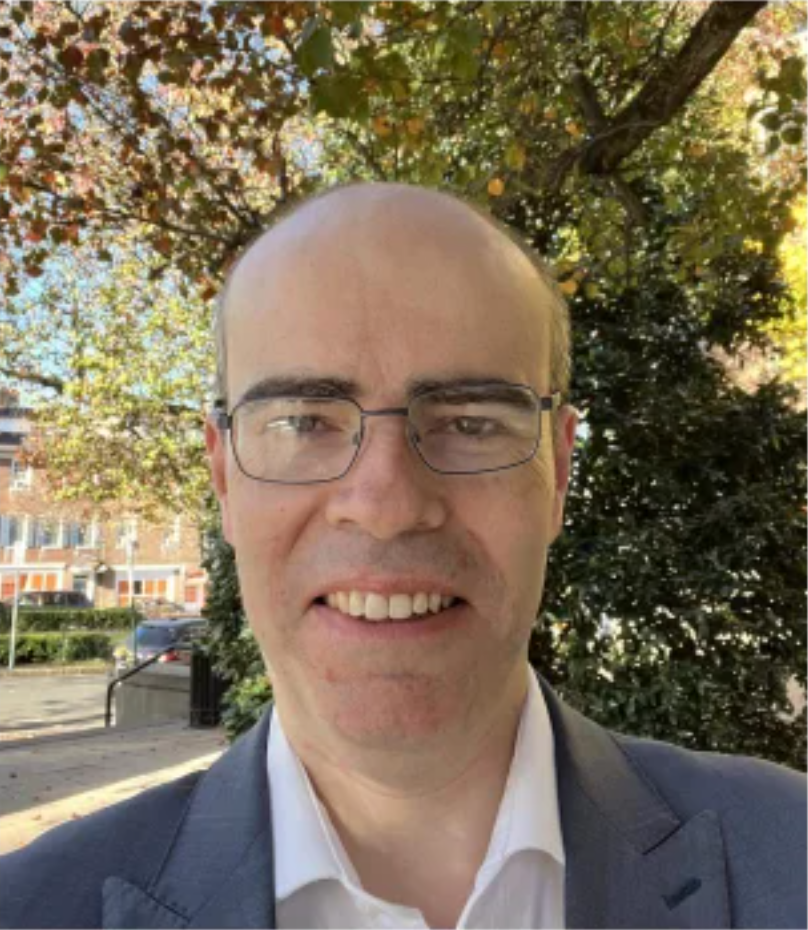
Professor Patrick Finglass
Patrick Finglass is the Henry Overton Wills Professor of Greek at the University of Bristol. His research focuses on classical Greek literature, especially tragedy and lyric poetry, and covers both long-familiar texts and recently-discovered papyri.
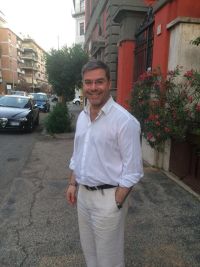
Professor Costas Panayotakis
Costas Panayotakis is Professor of Latin at the University of Glasgow. His research interests include Latin fiction, especially of the Neronian period, and Roman comic theatre during the Republic.
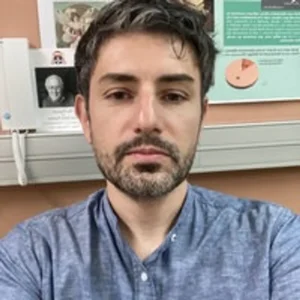
Dr Marco Perale
Marco Perale is a Senior Lecturer in Classics in the ACE Department at the University of Liverpool. His research focuses on Greek poetry from the Archaic to the Early Byzantine period.
The latest issue of The Classical Quarterly is out now!
54
articles
500
pages
40+
open access articles
Find out about just a few articles from CQ 75.2 and click on their titles to read more:
THE BRONZE OF JUNO’S CARTHAGINIAN TEMPLE (VERG. AEN. 1.448–9): AN ALLUSION TO HES. OP. 150–1
Building on Servius’ note on Aen. 1.448, this article argues that Virgil’s lines emphasizing the bronze details of Juno’s temple in Carthage (Aen. 1.448–9) allude to Hes. Op. 150–1, which belong to the description of the Bronze Race in Hesiod’s ‘Myth of the Races’. Because in Hesiod’s Works and Days the Bronze Race stands out for its violence, this allusion stirs a sense of lingering threat, setting the stage for the upcoming ekphrasis portraying the massacre of the Trojans (1.453–93) and counterbalancing Carthage’s Golden-Age traits. In this way, it contributes to Virgil’s ambiguous presentation of Rome’s most famous enemy and plays into the broader question of the ‘epochal’ setting of the Trojans’ arrival in Italy.
Marco Gay
‘THE DIE HAS BEEN CAST!’: SUETONIUS’ CAESAR AND THE (G)LOOMING FATE OF ROME
This article proposes a new reading of Suetonius’ narrative regarding Caesar’s crossing of the Rubicon in 49 b.c.e. (Suet. Iul. 32). The apparition that persuades Caesar to cross the river in Suetonius has, until now, been interpreted in a positive light, as a clear endorsement of Caesar’s actions. In contrast, this article suggests that the episode is more ambiguous and critical of Caesar than previously recognized.
Consuelo Martino
HONEY IN PLUTARCH: A BITTERSWEET EXPERIENCE
The middle-Platonic tendencies of Plutarch are not only pervasive in his philosophical ideas; his temperate approach to life can be appreciated in many other contexts, and the culinary world is no exception. Particularly interesting, given his moderate views, is his depiction of foods bringing opposites together to create balance. This article first considers the combination of the opposite concepts of γλυκύς (sweet) and πικρός (bitter) in Plutarch in general; then, with reference to food consumption, it studies references to honey, both in association with a bitter element and when honey itself is described as both sweet and bitter.
Luisa Lesage-Gárriga

Get access today
Sign up for online access to the lastest edition (and the whole back catalogue) for just £20 via our website once you’re logged in as a member.
Submission Process
If you have an idea for a review article on recent books in a particular area of classical scholarship, we’d be please to hear from you. Find out more here:

Keep up with The Classical Quarterly on social media
Find out more about our other publications