A Weekend in Warwick

A Weekend in Warwick

This March, we headed to the University of Warwick for the 2024 CA Conference, where hundreds of delegates from across the world came to share their research, exchange ideas and build friendship and collaborations.

Our huge thanks to the organising committee, headed by Prof. Alison Cooley, Prof. David Fearn and Dr Paul Grigsby, and all of the conference, support and IT staff at the University of Warwick as well as everyone who contributed, joined us remotely, sponsored different parts of the conference, and who helped created such a friendly, positive and collegial atmosphere.

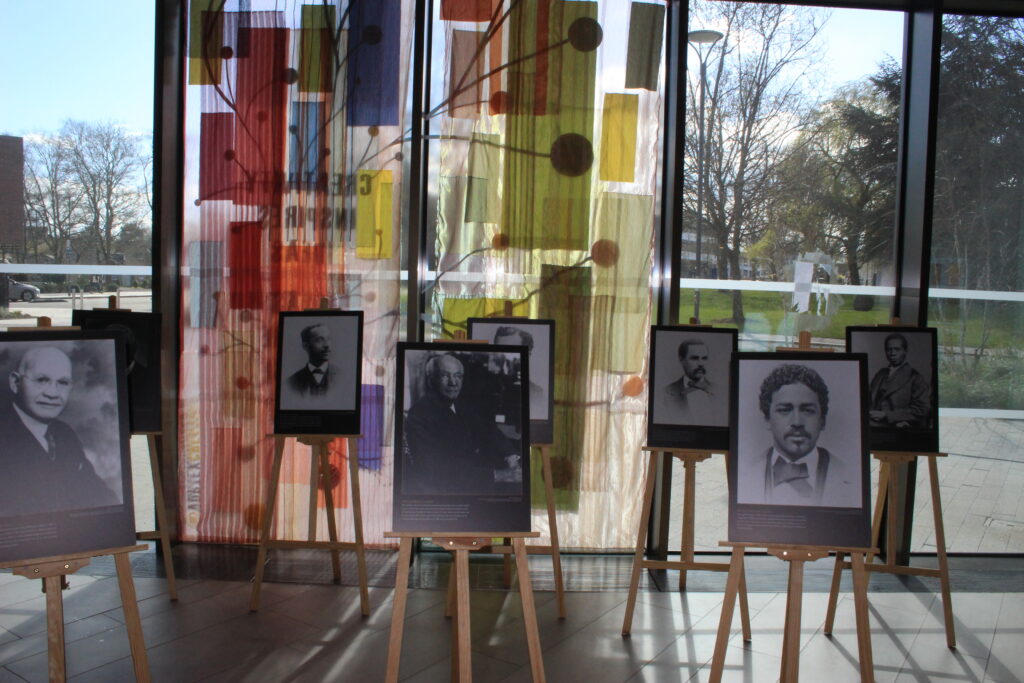
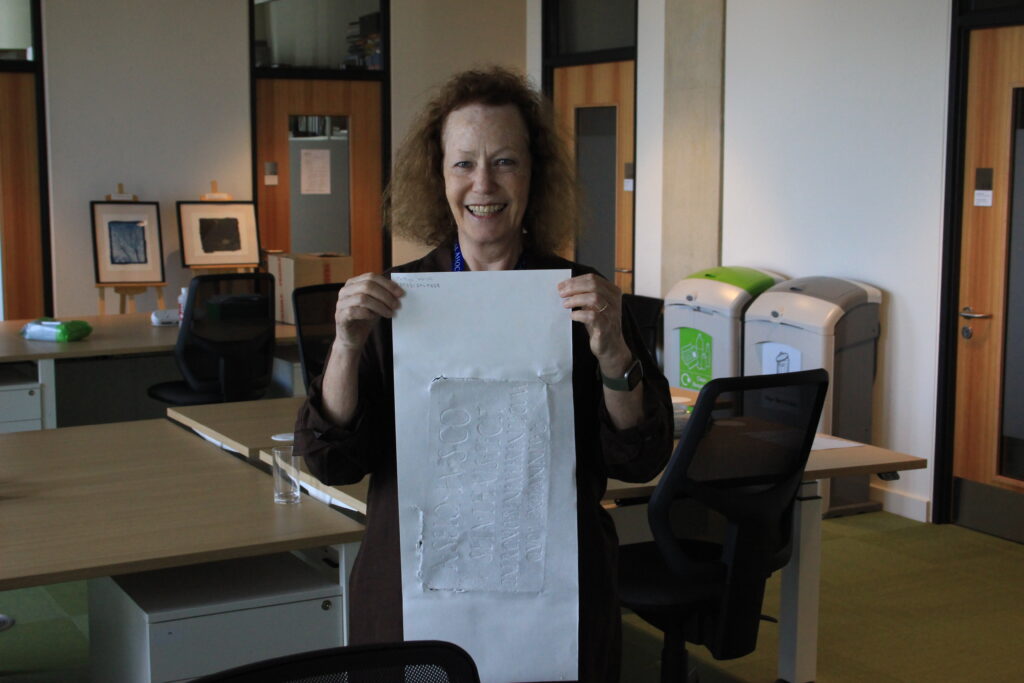
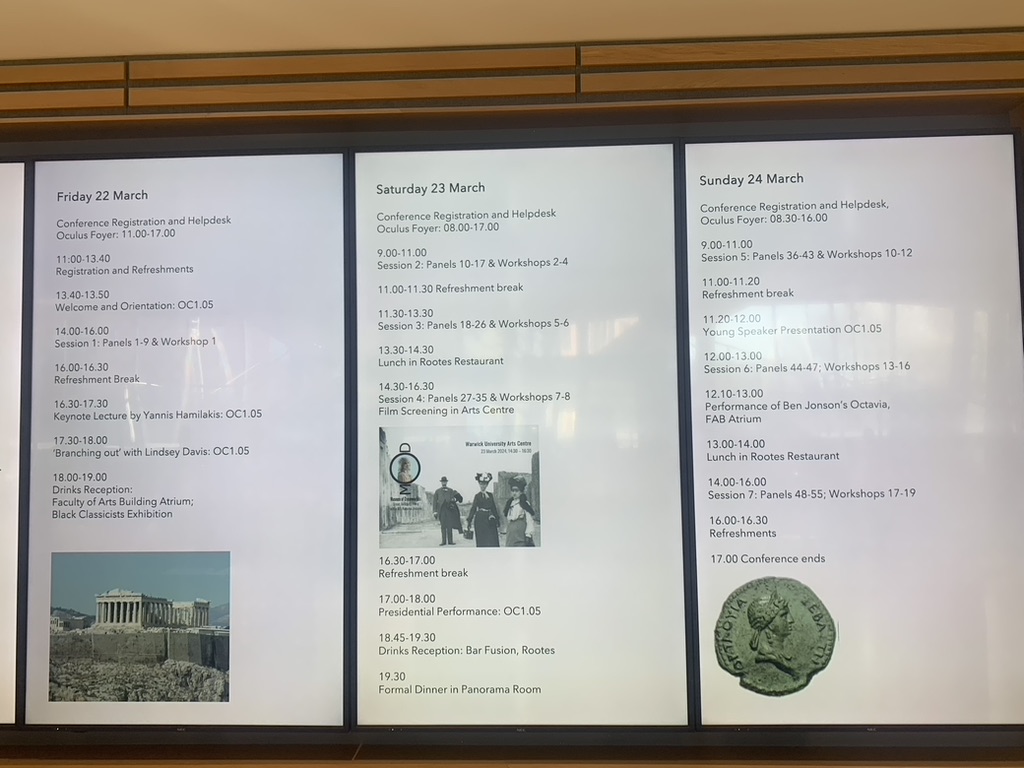
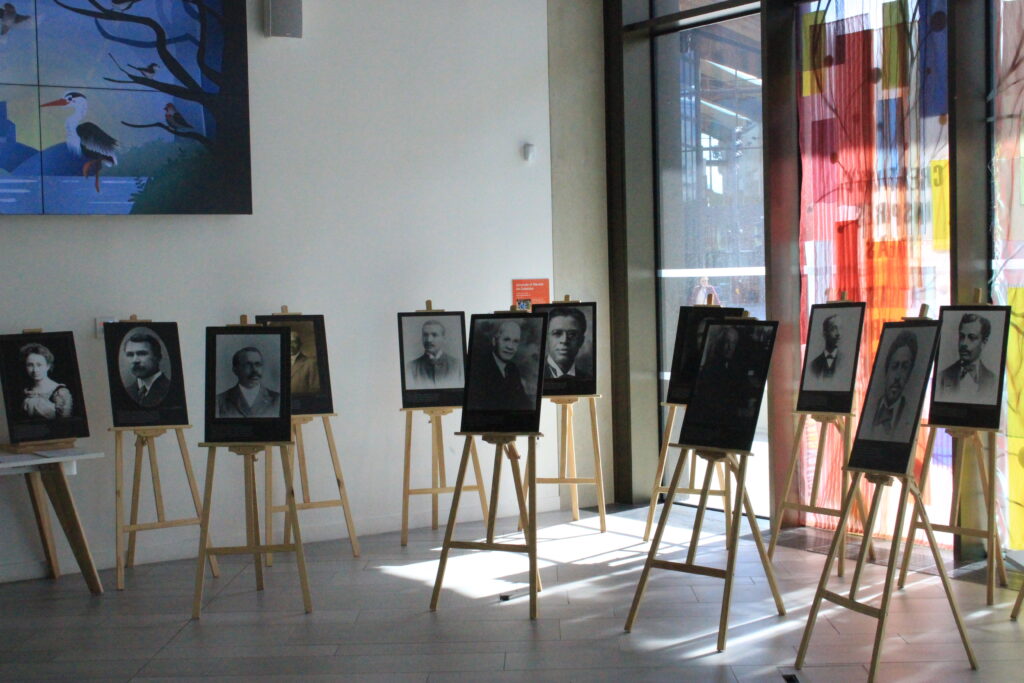
Based in the Oculus building, we enjoyed a packed schedule of papers, panels, workshops and plenary events; the award-winning Faculty of Arts building was also used for a trio of activities – a drinks reception, an epigraphic squeeze making workshop, and a performance of David Wiles’ Octavia – as well as to showcase the Black Classicists exhibition.
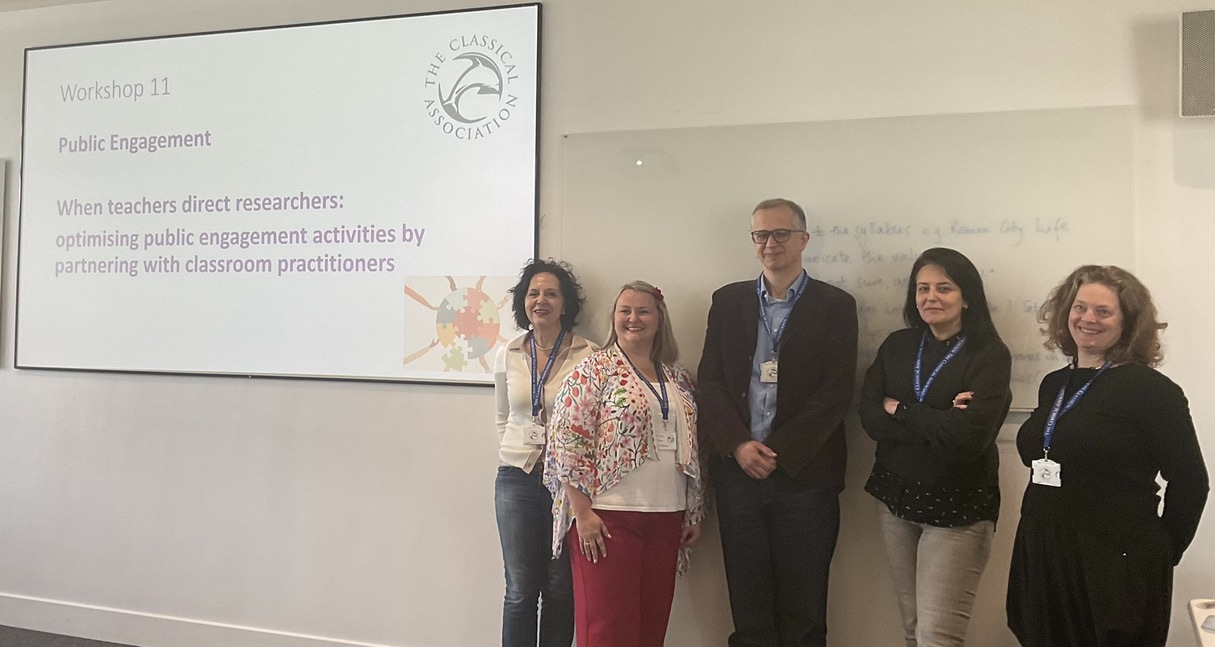
There was strong representation from the teaching community, with teachers from a wide range of schools both attending and presenting at the Conference. Panels and workshops with a pedagogical focus ran throughout the weekend, with papers focussed on topics such as teaching with inscriptions, teaching in diverse settings and teaching in translation. At the workshops, discussions centred on increasing engagement in classical subjects from school through to university, and EDI in Latin language teaching. The Classical Association Teaching Board also ran a very well attended session focussed on their Qualifications Review, and the work they are doing with the exam boards to prepare for the next round of reform. It was wonderful to see academics and teachers collaborating and sharing ideas both in and outside of these workshops, and we hope that these conversations inspired practitioners from both sectors to continue working together in the future. 

Student Blog

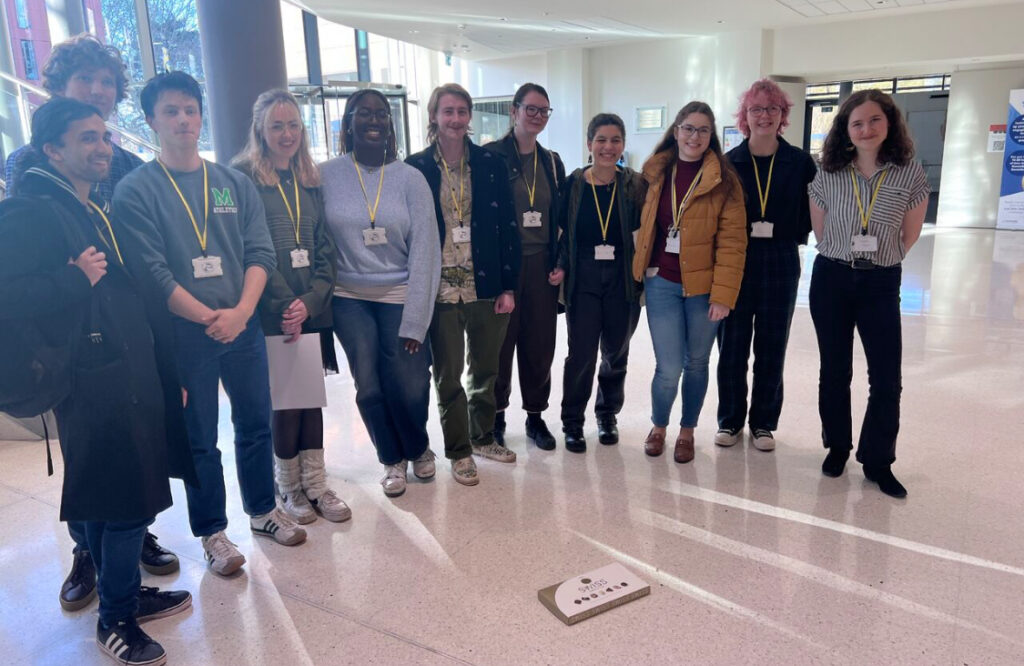
Undergraduate Lily Birch writes about her weekend as one of the team of enthusiastic and efficient student helpers:

Just some of the team of student helpers!

The plenary lecture by Prof. Yannis Hamilakis was outstanding. As I’m sure everyone who attended will agree, his insightful discussion on the often ignored history of the Acropolis particularly in the Ottoman period was enlightening. I was particularly fascinated by its use as an Islamic burial site, a history of the monument I had no awareness of. His message about the importance of deconstructing racecraft will stick with me throughout my studies of Classics, and is an important examination of how we can improve as a discipline. After that we enjoyed an interview with Katrina Kelly and Lindsey Davis, who inspired us to seek out our local CA Branch across England and Wales.
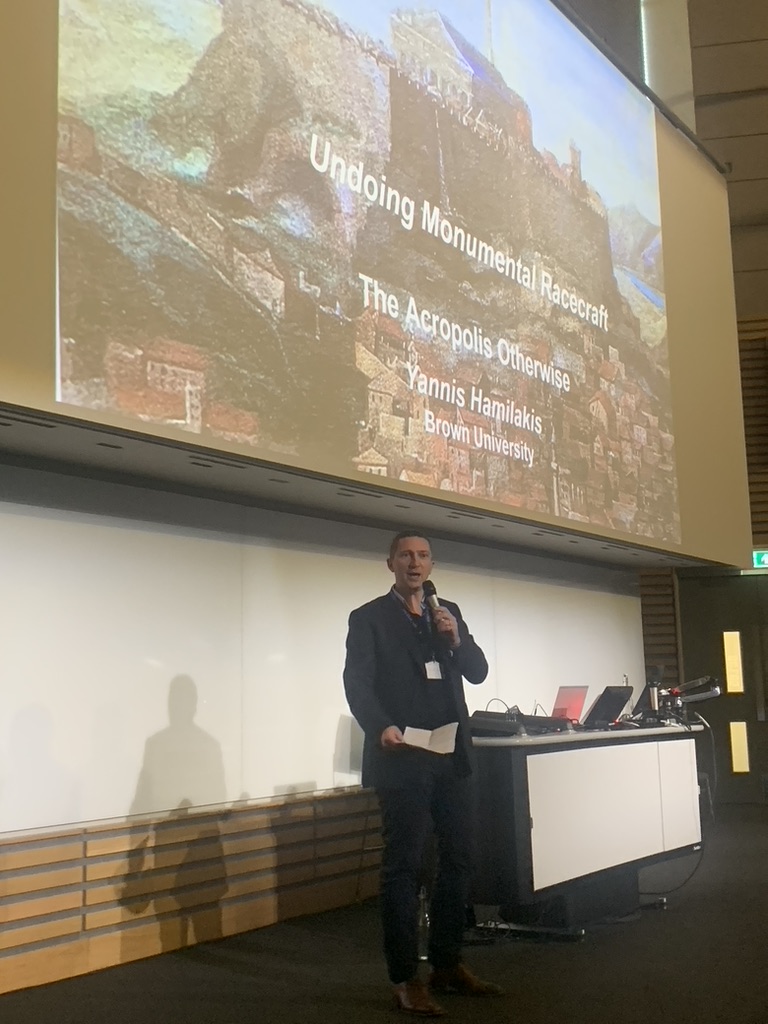
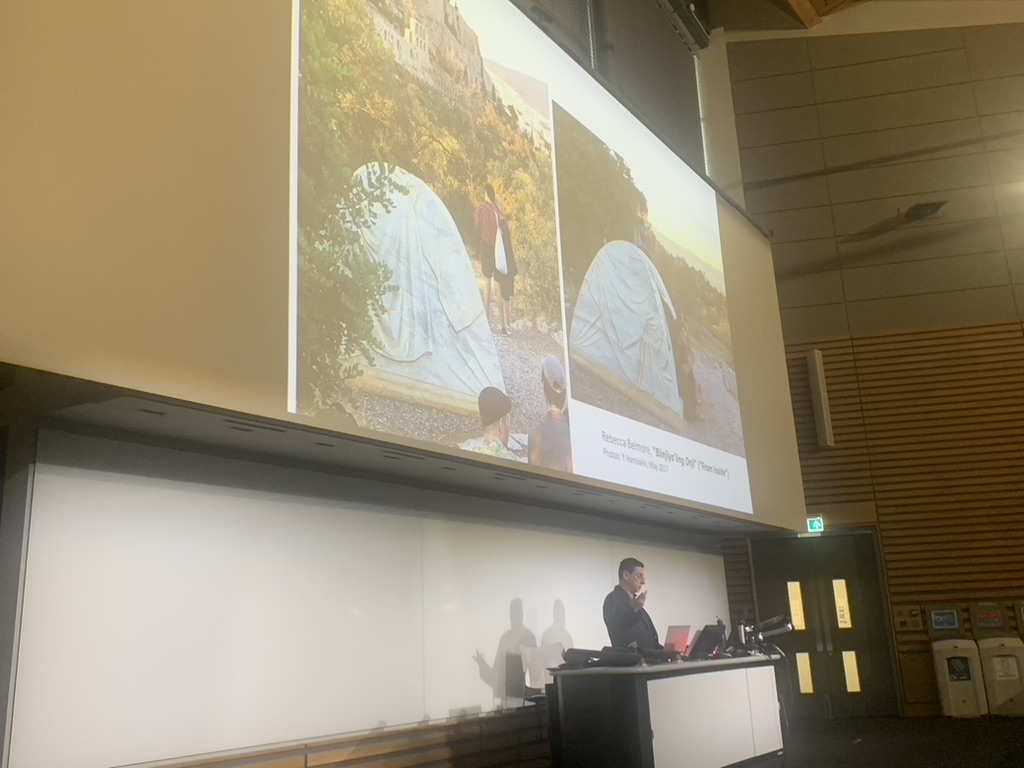
Prof. Michael Scott introducing and then handing over to Prof. Hamilakis

Saturday was an incredibly busy day, everyone was immersed in the conference for the entire day – at least once we’d fixed the revolving door – and those who met Mable the dachshund will agree that she was one of the stars of the conference!

Mabel the Daschund with friends!

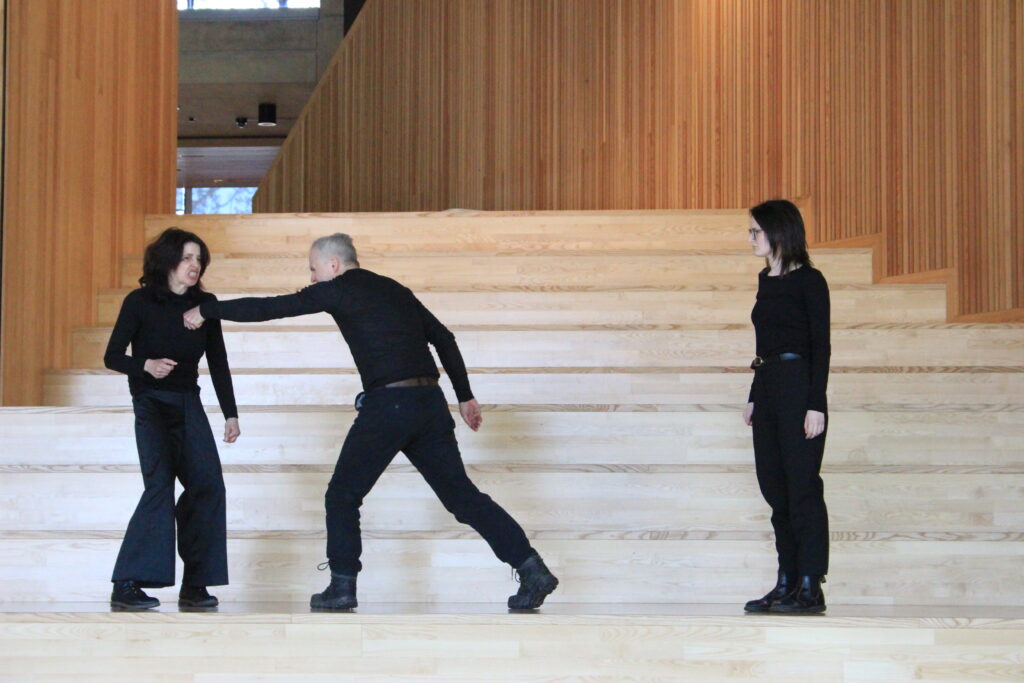
Without a doubt, my personal highlight of the weekend came on this day – I was part of the presidential performance Cassandra Float Can with the CA’s president, Anne Carson, as well as her partner, the artist Robert Currie. The group of student helpers which were involved with this performance formed an impromptu chorus, carrying around photographs of artwork to illustrate the messages of Anne’s speech. Granted, we didn’t know what exactly we were doing until a few hours before the performance. I think I speak for all the performers involved when I say the semi-improvisational aspect of the piece added to the chaotic but exciting energy of the day, and certainly bonded us. The unusual nature of the performance will certainly help it stick in the audiences’ minds for a long time to come. Anne and Robert were absolutely lovely people, and we were all struck by how down to earth they are. This was a truly once in a lifetime experience, and one which I will never forget.
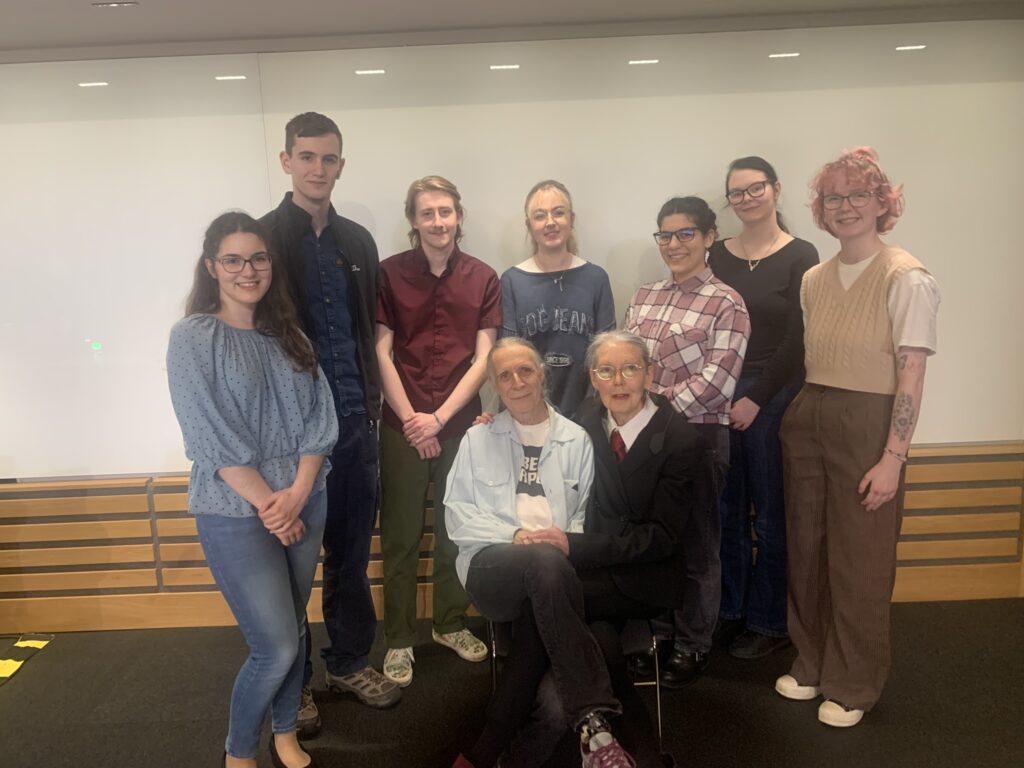
Some of us with Anne and Robert!

The formal dinner hosted by the CA is another highlight for many delegates – a night of wonderful food and conversation with Classicists was truly inspirational- not to mention the awards presentation highlighting the incredible work people in the field are doing. Congratulations to all winners! Click on these links to view the winners of the CA’s 2024 Teaching Awards and CA Prize.
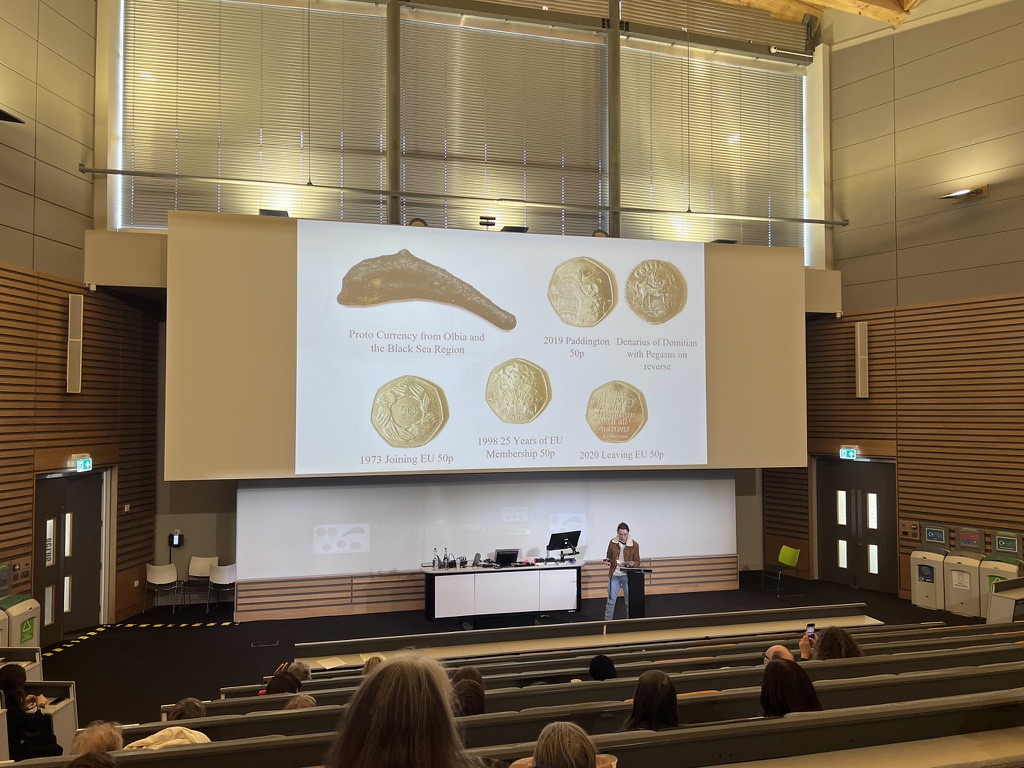
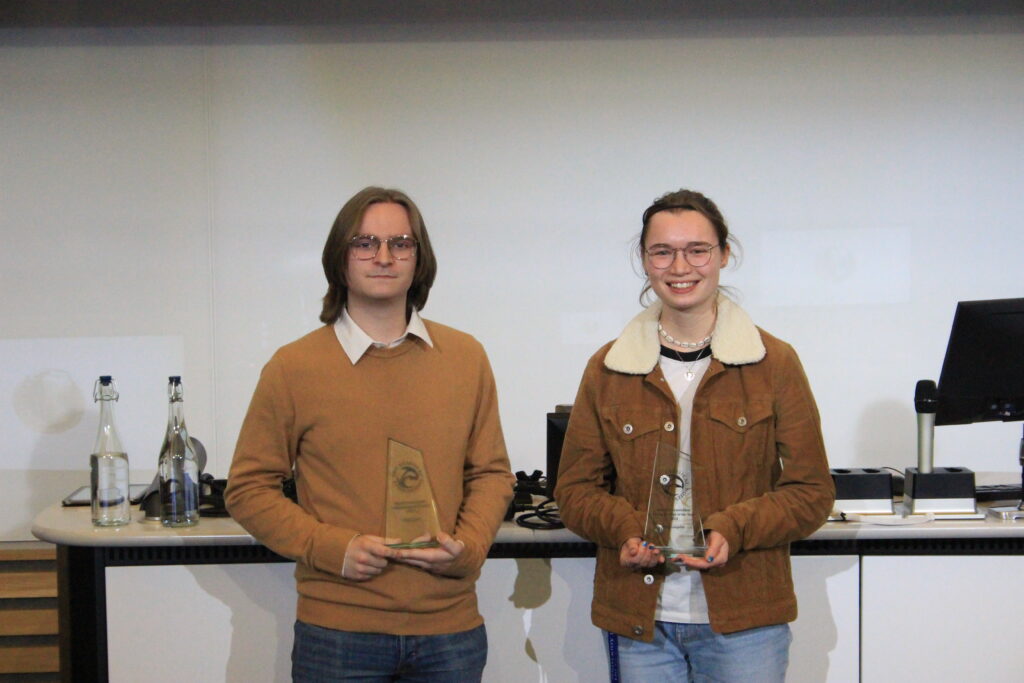
Speaking of awards, Sunday brought with it the Young Speakers presentation. Kitty and Oscar both delivered incredible speeches and I wish them every success in the future, they can only go from strength to strength. Congratulations to them and to the other highly commended speeches. Following this, the Write2Speak workshop was another incredible experience. Having the chance to hear from others as well as writing and sharing myself was cathartic. I’ve definitely taken away a lot from it.
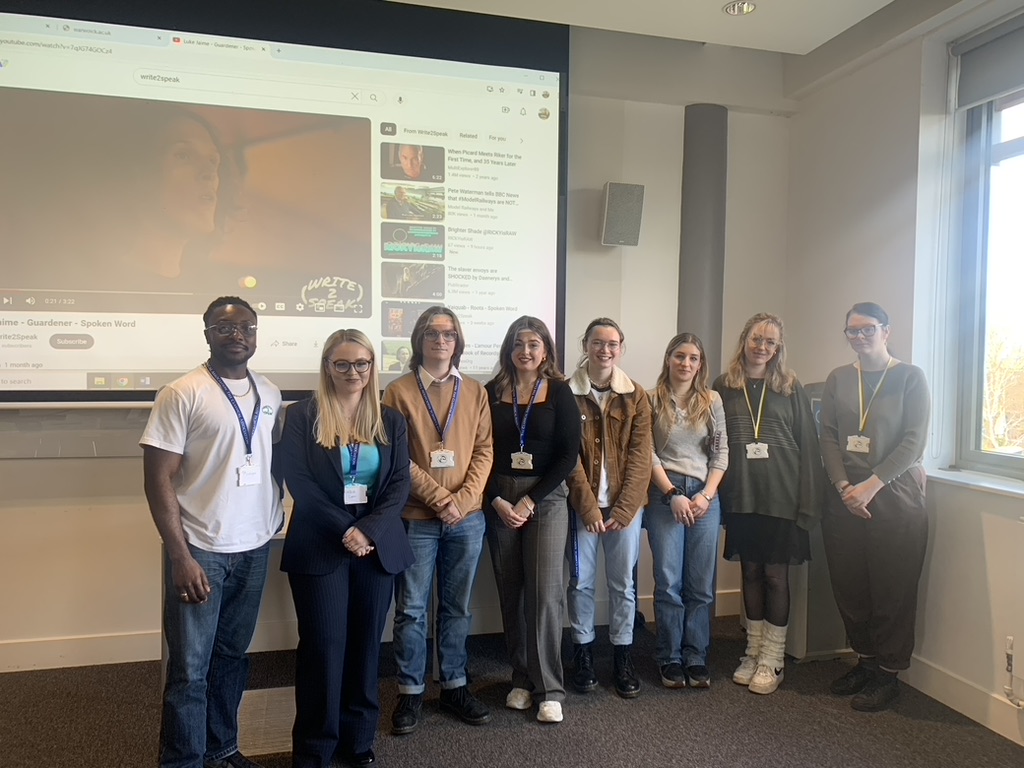
Some of the Young Speakers with judge and workshop lead Tyler Luke Cunningham, an actor and spoken word artist

I attended a fascinating panel on teaching classics outside the UK, at which I heard the efforts of teachers from Canada and Slovenia in how they are keeping the subject alive and well. As well as a revaluation of the way languages are taught, and a look at increasing diversity within teaching of the subject. This was truly inspiring to me, and the topics raised are in my opinion key to increasing the uptake of Classics.

The weekend was an incredible experience, and everyone I spoke to throughout the conference only had good words to say about it. Hearing from so many incredibly intelligent and talented people has given me, as well as many others I’m sure, much to reflect on and new areas to explore. Thank you so much to everyone involved, and best of luck to St Andrews next July!”

Do be sure to join us all again in Scotland next summer – more news to follow soon!

There were so many other highlights to the Conference: catching up with former colleagues and students; seeing international collaborators meet for the first time in person; watching panels online for those attending virtually; witnessing the screening of silent films with a live pianist; workshops on topics as varied as virtual reality, lego building, Doctor Who, linguistics, numismatics and Classics in Coventry. The breadth was incredible!

Posted in Event Roundups

Nabataean Coins: A Royal Rebrand

Nabataean Coins: A Royal Rebrand

Our Expert in Residence, Hannah Parker (@historical_han), shares some of her latest research in a CA Member exclusive by exploring the shift in the way in which Nabataean kings appeared on coinage. This shift was instigated by King Aretas IV, who ruled from 9 BCE to 40CE, and his legacy continued until the Nabataean kingdom’s annexation in 106 CE.

The Nabataeans were the longest standing client kingdom in the Roman Near East. Client kingdoms were found across the Empire and were ruled by a rex socius et amicus populi Romani, which enabled Rome an effective method of control over its more distant provinces. As local rulers appointed by Rome, these kings served a dual purpose as both allies and political puppets. Their royal insignia was the Hellenistic diadem popularised by Alexander the Great and in turn their coin portraits typically depicted them in the guise of Hellenistic Kings. There were no exact guidelines for being a client king, with each ruler displaying various levels of ‘Romanophillia’ (a brilliant term coined by my supervisor, Dr Andreas Kropp), but many sent their sons to reside at the imperial court, creating opportunities for future leaders to network and to serve as insurance of their loyalty; some sent regular embassies, held festivals in honour of the Emperor and even depicted the Emperor on their coinage. The Nabataeans, however, sat at the opposite end of the spectrum – Aretas IV (9 BCE – 40 CE), defied convention and instigated a change in the face of Nabataean coinage that would last until the Kingdom was annexed by Trajan in 106 CE.

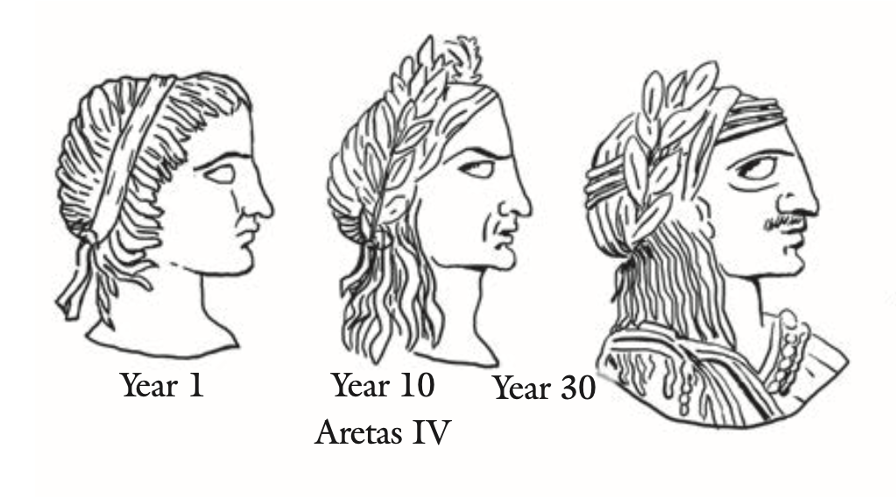
When his predecessor died, Aretas was appointed King without following the protocol of asking the permission of the Emperor. This initial blunder put a strain on the rulers’ relationship, and only after a series of complex negotiations was Aretas allowed to retain his new position. Likely to placate Augustus, his early coin issues followed custom, with the King slightly emulating the Emperor through a cropped Julio-Claudian hairstyle, albeit with a distinctly Nabataean style. This initial obedience however was short-lived. By the tenth year of his reign, Aretas had grown out his locks and swapped out his traditional diadem for a laurel wreath – the ultimate symbol of Roman imperator-ship. No other client king had dared to wear one. Though we have no sources to confirm it, this move can only be imagined to have caused further aggravation. 18 CE marked the debut of a new type of headwear, a different diadem that broke away from all prior convention. Alongside his controversial laurel wreath, the king wore a triple banded headband.

.Source: Kropp, A. (2013), Images and Monuments of Near Eastern Dynasts, 100 BC – AD 100 (Oxford), 23.

Although a precedent had already been set for stacked headwear during the Hellenistic age, this was a unique choice. Having no precedent in the Arabian peninsula, it was borrowed from the Kings of Parthia who had worn a ridged style diadem since the reign of Mithridates III (57-54 BCE). Parthian inspiration was not limited to headwear, with a simultaneous shift in costume. In place of a chlamys, Aretas was portrayed on coinage wearing a wide V-necked tunic borrowed from Parthian royal attire. The garment was decorated with ornate embroidery or pearls, represented by circular rowed patterns. Under their tunics, Parthian rulers wore trousers, a foreign concept to the Graeco-Roman world. Although no coin minted by the Nabataeans depict a trousered monarch, a Roman denarius struck in 58 BCE shows a trousered Aretas III.

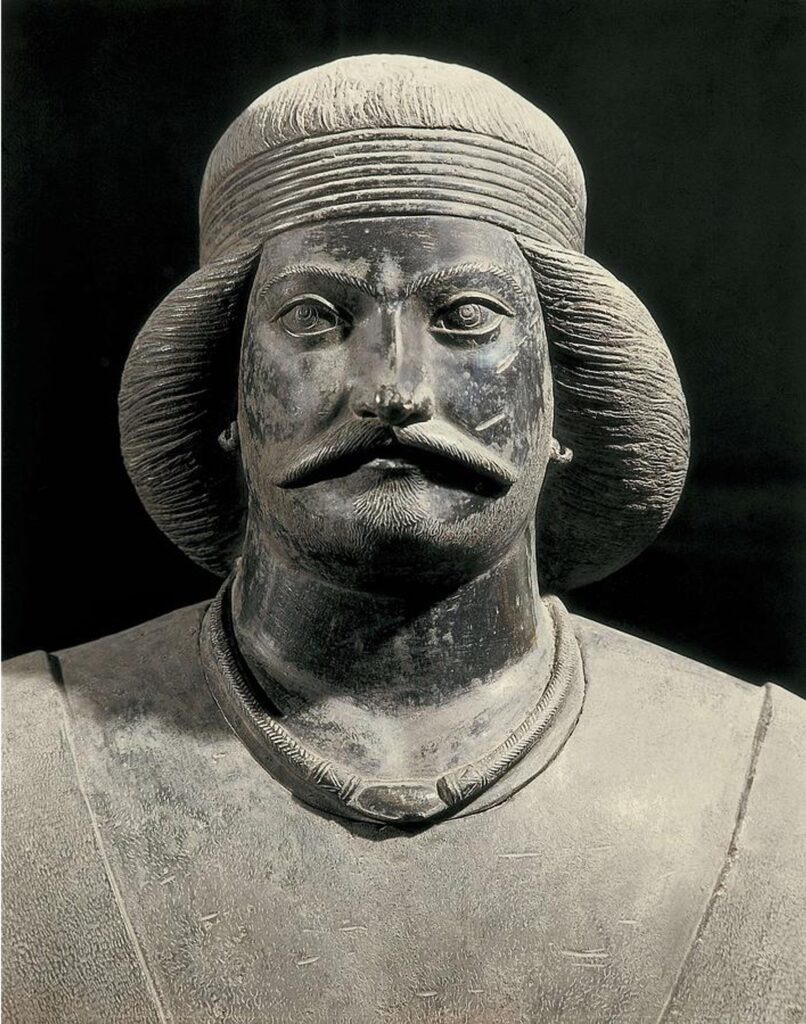
The everyday appearance of Aretas probably resembled the Shami statue (50 BCE –150 CE), with which his coin portraits bear striking similarities. The figure is long haired and has an almost clean-shaven face paired with moustache. These too were alien to the Romans but frequently found across the Near East. The statue illustrates a ridged diadem consisting of seven bands – a number that excels both those shown on Parthian or Nabataean coin portraits.

Bronze statue, circa 50 BCE- 150 CE, found at Shami. The man wears a Parthian diadem. From Wikimedia Commons (2023).

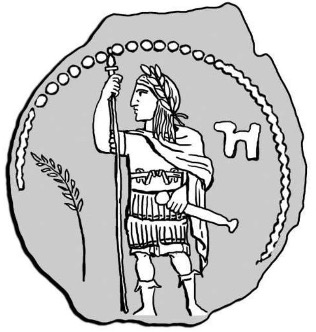
Only one account noting a Nabataean king’s appearance exists, recorded by Strabo quoting Athenodorus, who visited the royal court at Petra between 63 – early 20s BCE. The King wore similar clothes to the other men present; no tunics and “girdles about their loins”. In fact, the only symbols of status were purple slippers – a colour associated with royalty for over a millennia. The episode suggests that Aretas IV likely did not don headwear in his everyday life, perhaps showing its appearance on coinage functioned as a political message to outsiders rather than anything to do with how he was perceived by his own people. A full-length portrait of Aretas wearing cuirass and holding a spear was struck in circa 16 CE. Showing him in the guise of a Hellenistic king, it has been overlooked by scholarship. Its similarities with a relief from Dura Europos depicting Seleucus I Nicator in similar military dress are marked. Interestingly, the coin appears to be a special issue, perhaps minted in commemoration of his wedding with his second wife Shuqaylah. Therefore, Aretas IV probably never wore this outfit save for possibly special occasions.

A drawing of a bronze coin of Aretas VI, showing Aretas in military cuirass with a spear (circa 16 CE), by Andreas Kropp. Source: Kropp, A.(2013), “Kings in Cuirass – Some Overlooked Full-Length Portraits of Herodian and Nabataean Dynasts”, Levant, 45 (1), 49.

The most transformative element of Aretas’ portraits is his hairstyle, which I believe reflects him embracing his real image. Perhaps the short hair initially shown never existed at all, and it was a political tool to appease Rome. Then, once comfortable and established in his position, he felt able to reject convention, wearing his hair as he typically would, in a style established on the earlier coinage of Northern Arabia.

Considering the target audience of the material assists us in determining the motives behind the rebrand. Locally produced coinage would not have been legal tender outside of Nabataean territory so the primary intended consumer of the new image must be understood as the Nabataean people themselves. The King appears to have had a good relationship with his subjects, with the epithet “who loves his people” present on coinage. This reflects his priorities, where instead of being a friend to the Roman people, his loyalties lie with his community. Almost all Nabataean coinage rejects the conventional use of Greek or Latin. Rather, they used their dialect of Aramaic and their system of dating that denoted the year of the King’s reign. This retention of their own language indicates a clear desire to preserve their cultural identity, even long after Aramaic stopped being spoken in the everyday lives of Nabataeans, and this can be compared to civic coinage at Tyre.

The incentive to rebrand himself was a clear sign to Aretas’ people that his reign marked a new age for the Nabataeans. The shift in appearance was never an implicit rejection of Hellenism, but rather a refusal by Aretas IV to play the role of a Hellenistic king forced upon him by Rome. He quite literally removed the costume of the character he was being groomed to portray, and instead forged his own path and royal identity. Beginning with his bold move away from the Hellenistic diadem, Nabataean headwear set their wearers apart from the other client kings of the Roman Near East. By modelling himself on both the royal image of the Parthians and the Imperial image of Rome, Aretas IV established himself as their equal, with the insignias firmly understood by all players. Therefore, by choosing his own new cross-cultural royal emblem, Aretas IV rebranded himself, and his dynasty, as a different kind of Roman client king.

Posted in Student Blogs