About the CA
OUR STORY
Founded in 1903, we have been dedicated to making classical subjects more widely accessible for over 120 years. We support everyone who has an interest in the ancient world – from the general public to academic specialists, and our members are based across the world.


Our Mission

Our History

Our Boards

Our People
Research indicates that Classics boosts social mobility, fosters cultural capital and supports literacy especially amongst disadvantaged people, but access to subjects like Classical Civilisation across the UK still relies on ‘wealth or luck’ – our mission is to help give everyone the chance to study the past, to support and advocate for the classics community, and thereby make the ancient world more accessible to everyone.

Inform
We are an educational charity and through our publications, events and conference, seek to support and advance classical learning in schools, colleges, universities and local areas, as well as provide resources and opportunities for the general public.
Engage
We are dedicated to engaging new audiences that might not otherwise have access to the ancient world. We provide financial support for outreach and engagement projects, foster knowledge exchange and professional development and encourage everyone to pursue the subjects they are passionate about!

Inspire
We want to show how studying the ancient world is relevant and purposeful in modern life. Welcome to our Classics Community! Click the boxes below to find out more about our resident experts, our supporters, and how you can get involved with our work.
Our History
Since 1903, the Classical Association has championed classical subjects and widened access to the study of the ancient world. Founded to “promote the development and maintain the well-being of classical studies”, following in the footsteps of the CA of Scotland (est. 1902), our early aims were to advocate for outreach, support teachers, be at the forefront of academic research, and to create opportunities for communities of ‘lovers of classical learning’ to come together. Our branches, independent regional communities of classics enthusiasts, started to spring up across England and Wales, including Manchester (1904), Birmingham (1905), Liverpool (1907), Nottingham (1909), London (1912), Bristol (1912), Northumberland and Durham (1912), Cardiff (1914) and Leeds (1914).
The CA supports field-leading research and knowledge exchange via our Journals (with Greece and Rome founded in 1931) and our annual Conference, first taking place in 1942 and now the largest in the UK. In 2015, we took over the good work of the Joint Association of Classics Teachers, and we support students, teachers, and education professionals at all levels – we fund summer schools and outreach events, run professional development days, host competitions, advocate for our subject, pool knowledge, create resources, and are leading on qualifications reform – and we are committed to building a bright and sustainable future for our subject and for our organisation.
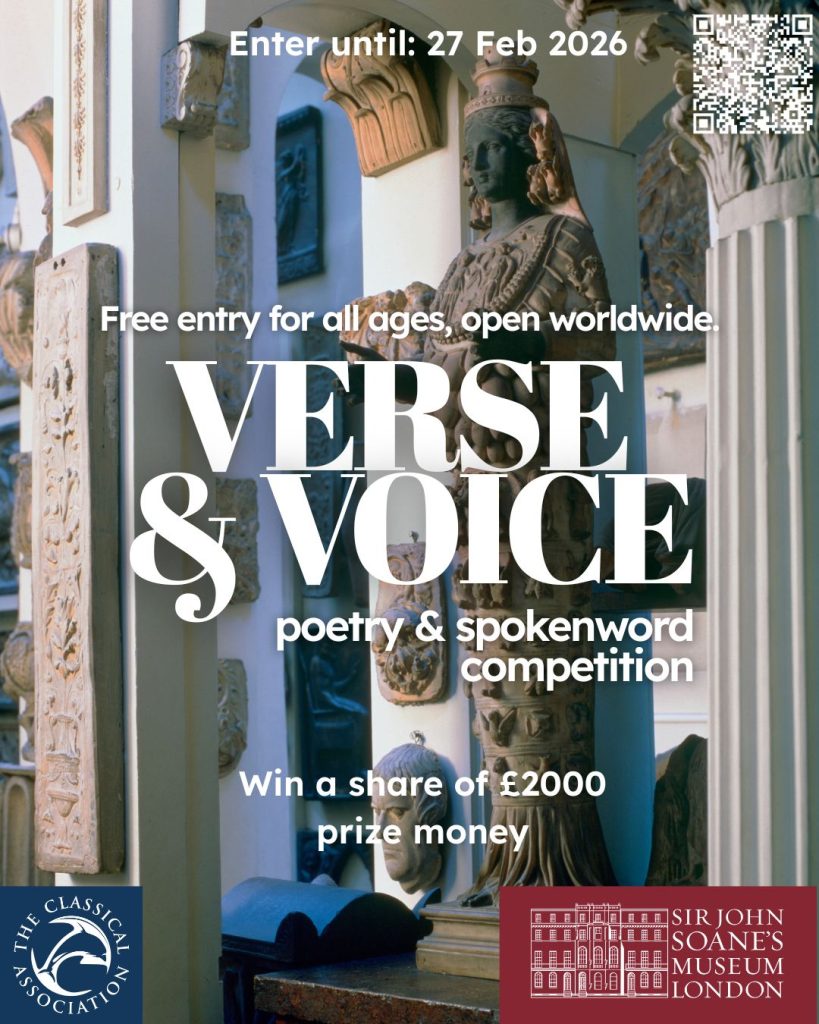
In 2025, our #CelebratingClassics campaign featured a Competition where people of all ages were encouraged to write, design and speak about their love for Classics. Supported by a new resource bank, podcasts and short films, a free prize draw with amazing prizes, a celebration event, and information for policymakers, we aimed to make Classics in the twenty-first century visible, appealing and reflective of its inherent diversity. Young people were given the chance to present in front of key stakeholders and we represent teachers via our Qualifications Review and the newly-formed All Party Parliamentary Group for Classics.

Board of Trustees

Teaching Board

Journals Board
Finance Committee
Grants Committee
Vice Presidents
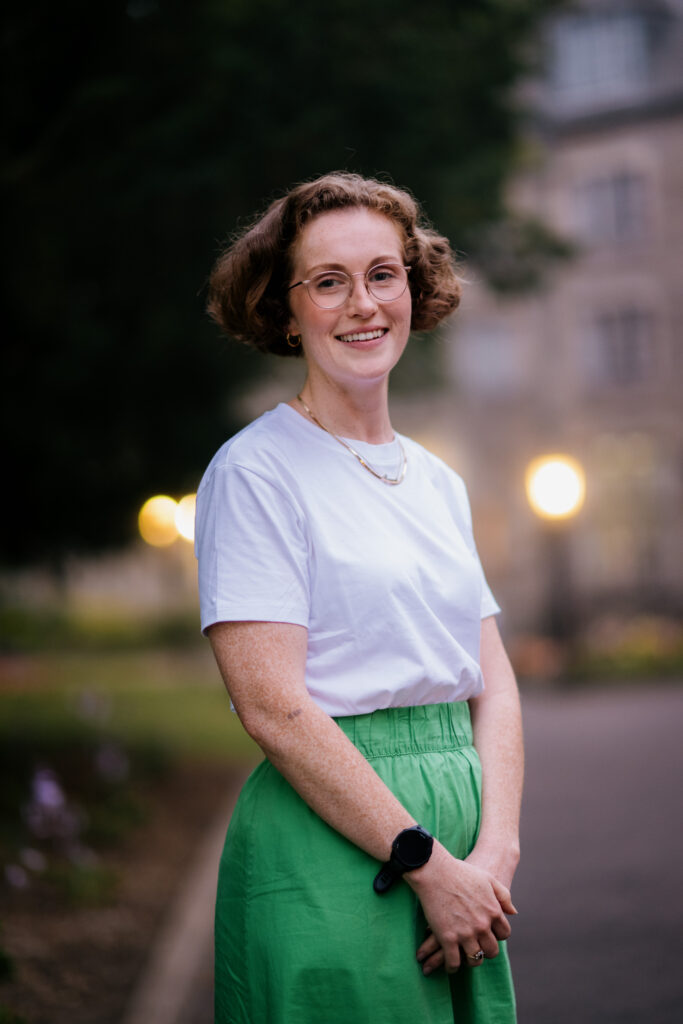
Gráinne Cassidy: Education Co-ordinator
Gráinne is the CA’s Education Co-ordinator, having previously been Head of Classics at Nower Hill High School, a diverse comprehensive academy with a thriving Classics department where Latin, Classical Civilisation and Greek are taught to A Level. Her interest in the classical world was nurtured by her sixth form Classical Civilisation teacher, who inspired her to read a Classical Studies BA at KCL. In her role, Gráinne is leading on a major review of the English school Classical qualifications in anticipation of the next round of reform, as well as developing our work as the UK Subject Association for Classics; expanding our CPD provision for teachers, partnering with other organisations on joint projects, and promoting collaboration across the Classics community.
Alongside her role at the CA, Gráinne also sits on the Board of Directors for the Council for Subject Associations; an umbrella organisation that represents subject associations nationally and allows them to speak with a single voice on key issues and consultations. Through this united collective Gráinne is advocating for marginalised subjects and strengthening the CA’s relationships with key stakeholders in the wider education community. She can be contacted at education@classicalassociation.org.
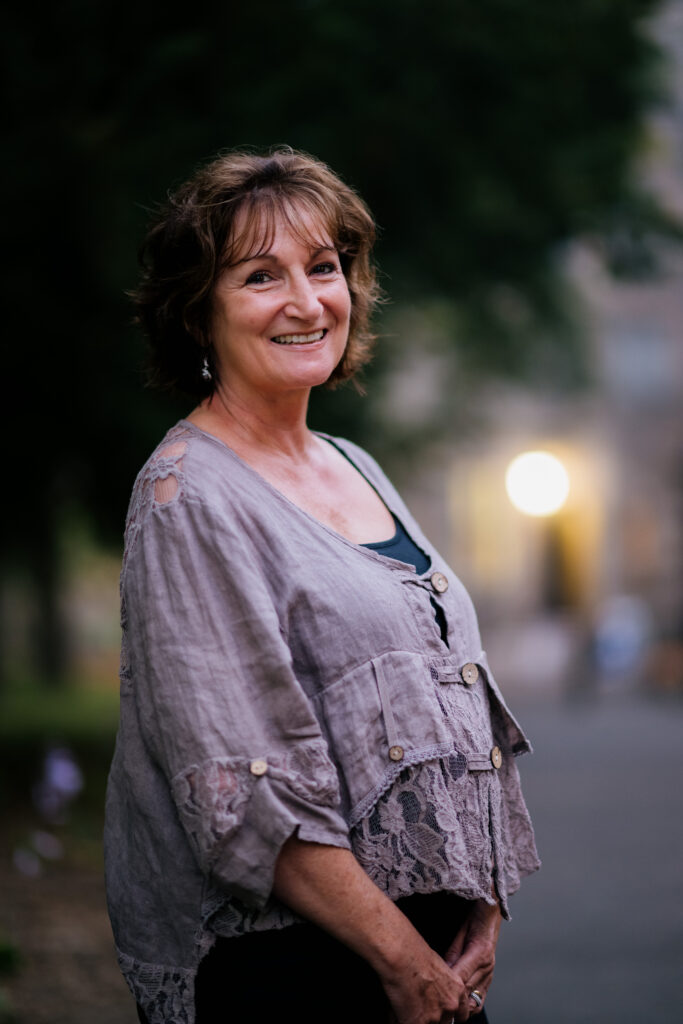
Jane Fortuna: Grants and News Co-ordinator
After graduating in French and Italian from the University of Exeter, Jane worked briefly in London before moving to Rome to work as PA to the Director of the British School at Rome. On returning to London several years later she joined the British Academy, initially running the Research Grants Department and later taking over responsibility for the Academy’s sponsored Institutes and Societies (including the BSR and BSA). She joined the Classical Association in February 2015, following the merger with JACT. Initially responsible for editing the new-style CA News, establishing a monthly e-newsletter and growing the CA’s social media presence, Jane has since also taken over responsibility for the CA’s grants programme. In addition she supports the editors of Greece & Rome and The Journal of Classics Teaching, liaising with contributors, book reviewers and publishers. She can be contacted at canews@classicalassociation.org.
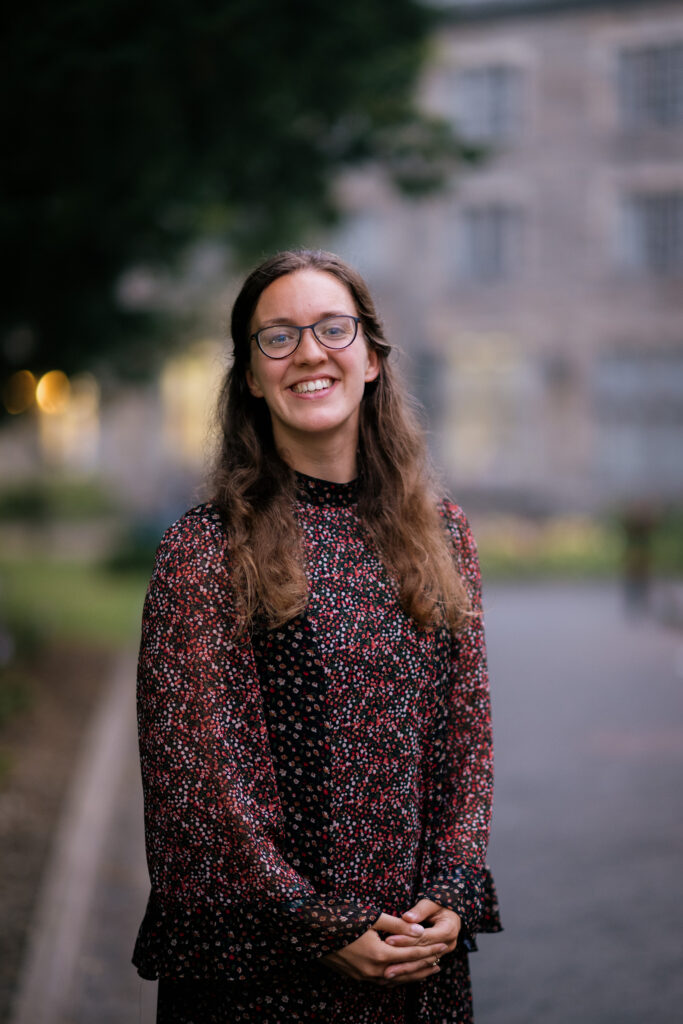
Katrina Kelly: Engagement and Branches Co-ordinator
Having been home-educated, Katrina read Classics at Magdalen College Oxford and spent a short stint as a teacher before becoming a Classics Education Researcher and the CA’s Engagement Co-ordinator. She is passionate about making the ancient world accessible to everyone and, in her role, creates content across our digital platforms to promote CA activity, such as The Classics Podcast, as well as organising our annual Conference and Competition. She is also the Chair of the Lytham St Annes CA, the largest CA branch in the UK, which she founded as a sixth former in 2014. Since 2020 she has acted as our Branches Co-ordinator, supporting and developing our network of more than 25 regional classics communities. She can be contacted at engagement@classicalassociation.org or branches@classicalassociation.org.
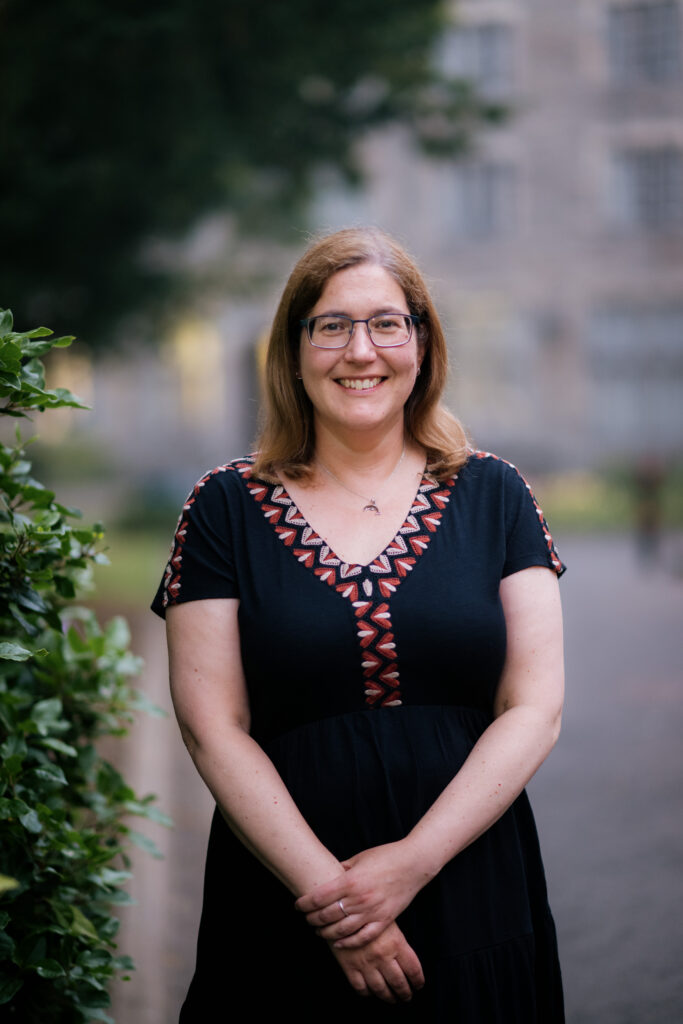
Clare Roberts: Managing Editor
Clare first encountered the ancient world through a school project to depict the labours of Hercules in papier-mâché. This culminated in completing a Masters degree in Ancient History at the University of Reading. She has worked in various roles for the Classical Association and currently works on two of the Association’s publications: The Classical Review and The Classical Quarterly. She administers the submissions process for CQ; working with the editors to oversee the publishing process from first submission through to publication. Similarly for CR, Clare manages the publication process from sourcing review books to publishing reviews. She can be contacted at classicalquarterly@classicalassociation.org or at classicalreview@classicalassociation.org.