Euroclassica Annual Conference 2026, Tbilisi

By Steven Hunt

Euroclassica 2026 was hosted by the Institute of Classical, Byzantine and Modern Greek Studies, Faculty of Humanities, Ivane Javakhishvili Tbilisi State University (TSU), with support from the Otar Lordkipanidze Vani Archaeological Museum, the Georgian National Museum, and the Academia Europaea Tbilisi Knowledge Hub.

Delegates attended from: Armenia, Austria, Azerbaijan, Belgium, Bulgaria, Croatia, Estonia, France, Georgia, Germany, Greece, Hungary, Italy, Latvia, Netherlands, North Macedonia, Norway, Romania, Russia, Slovenia, Sweden and the UK (the author). Professor Christian Laes (University of Manchester) in his role as President provided the introduction for the conference.

Strengthening the European Classics Community

The Euroclassica General Committee reaffirmed its commitment to expanding membership to reflect the full European landscape of Classics educators better. Outreach from Euroclassica continues to embrace Albania, Czechia and Montenegro, and this year the General Assembly welcomed a prospective delegate from Armenia, who offered a short presentation on the state of Classics in his country. We hope to be able to publish this in the Journal of Classics Teaching or on this website in the future.

19 August — Excursion to Mtskheta

The conference opened with a memorable excursion to Mtskheta, the ancient capital of Georgia and one of the oldest continuously inhabited cities in the world. Delegates were expertly guided by TSU students Beka Gelashvili‑Chorgoliani and Giorgio Barnabishvili, two students from the University. Their knowledge and understanding brought much reassurance to the tour.
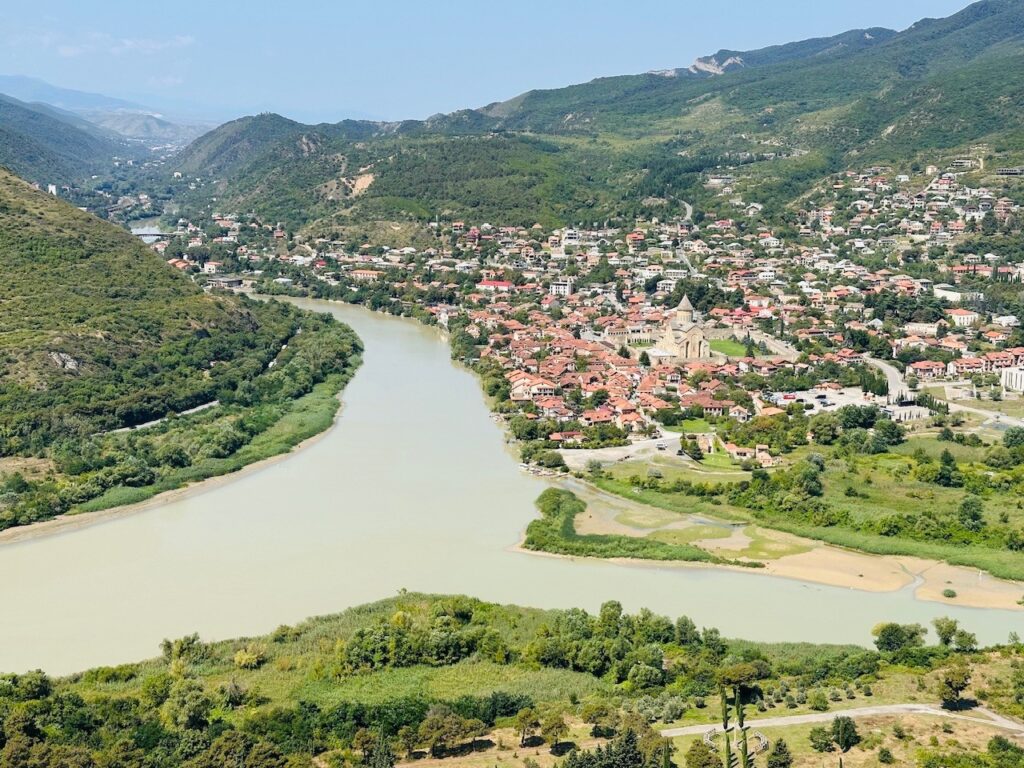
Figure 1 Mtskheta

Highlights included:

The Jvari Monastery (dating from the 6th century) provided amazing and panoramic views over the confluence of the Kura and Aragvi rivers. Delegates were introduced to the layers of Georgian identity, from Bronze Age habitation in the curve of the river, through to the legends of Jason and the Argonauts, and the accounts of Alexander the Great’s supposed passage through the region. The slow, sluggish and muddy rivers ‘must’ bear the tiny flakes of gold that make the region famous in antiquity!
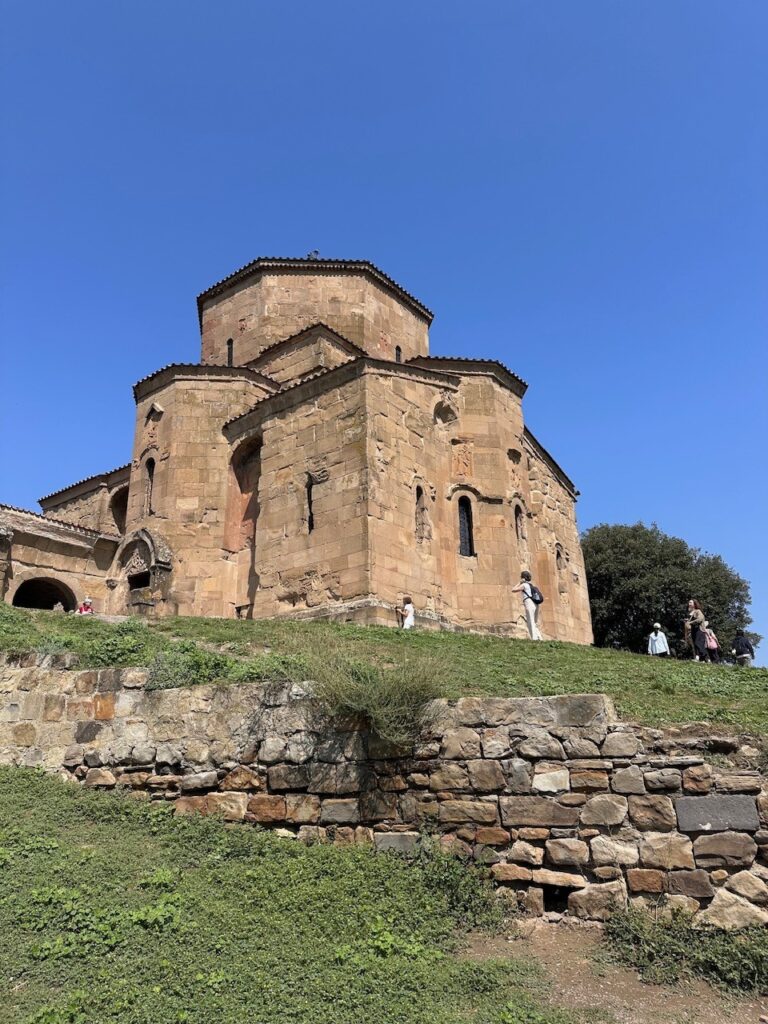
Figure 2 Jvari Monastery

Svetitskhoveli Cathedral (dating from the 11th century) is the coronation site and burial place of Georgian kings, and home to the relics of Saint Anthony and others. The visit explored Georgian national history and the development of Georgian Orthodox Christianity.
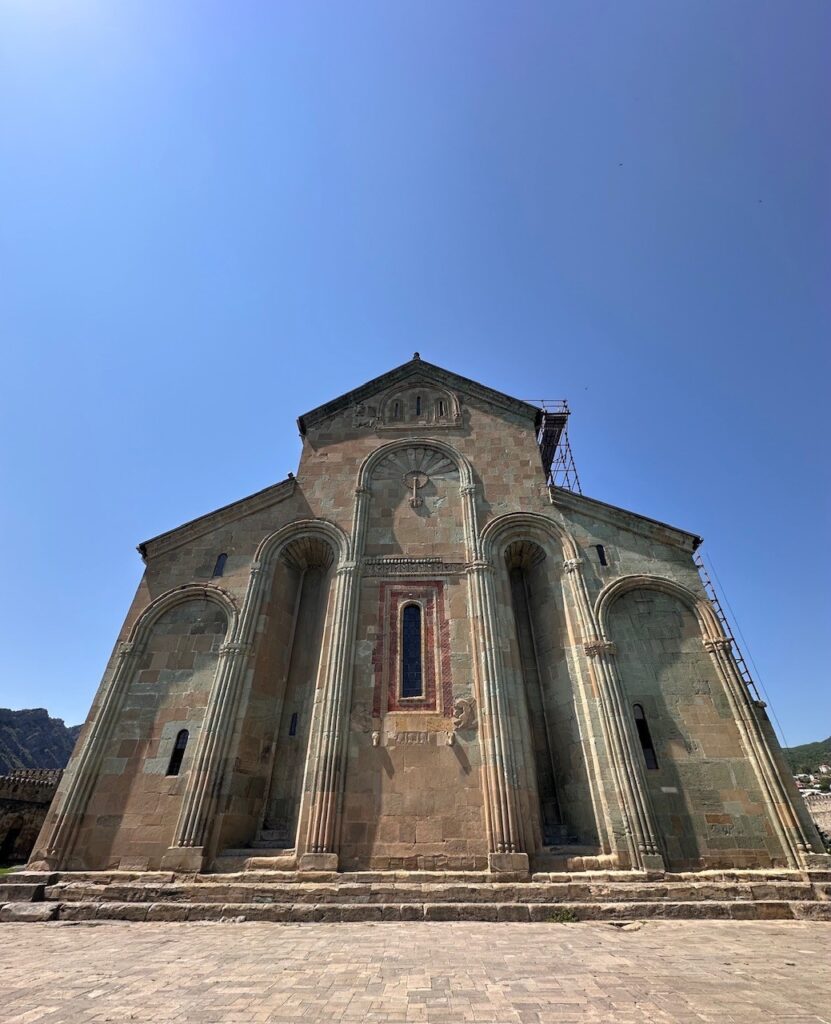
Figure 3 Svetitskhoveli Cathedral

The excursion set the tone for the days ahead: a reminder that Classics is thoroughly embedded in place, memory and living cultural heritage.

20–21 August — Academic Programme

The academic sessions were held at TSU and opened with very warm welcomes from Dr. Irine Darchia (Associate Professor, Deputy Head of TSU Institute of Classical, Byzantine and Modern Greek Studies), Dr. Levan Gigineishvili (Professor, Head of TSU Institute of Classical, Byzantine and Modern Greek Studies) and Dr. Nino Lordkipanidze (Chief Scientist, Otar Lordipanidze Institute of Archaeological Studies, Georgian National Museum).
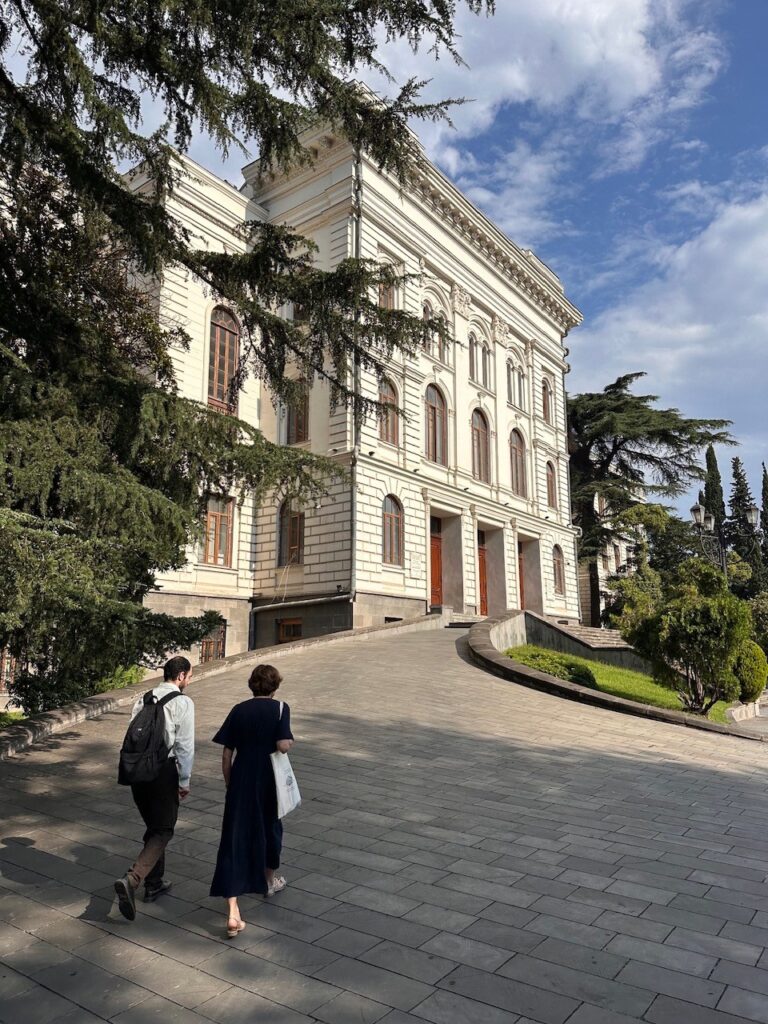
Figure 4 Tbilisi State University

Key Lectures and Presentations

  • Christian Laes (UK & Belgium) — Why We Need to Teach Greek: a compelling argument for the humanities as formative disciplines, drawing on recent publications including Teaching Classics Worldwide.
  • TSU Students — A remarkable bilingual presentation (Latin, Ancient Greek, with English translation) on Georgia as the homeland of the Golden Fleece, wine and its unique alphabet.
  • Peter Glatz (Austria) — Updates on Cursor – the Euroclassica journal – and the launch of the redesigned Euroclassica website. It can be found here.
  • Irine Darchia (Georgia) — Classical Languages in Secondary and Tertiary Education in the Context of Global Politics: demonstrating how Bologna Process frameworks can be leveraged to advocate for Classics at university level (see here).
  • Maria Vasiloudi (Germany) — A pedagogical analysis of Kantharos, showing how the course, which was designed for a younger age group, can still be used with university students, but that inconsistencies within the textbook have teaching implications for teaching.
  • Gabriel Danzig (Israel) — Strategies for navigating first‑year Greek, with particular attention to vocabulary frequency lists and alternative pathways through traditional textbooks.
  • Florence Turpin (France) — Presentation of Humanités dans le texte, a collaborative project linking school and university teachers to produce shared resources.
  • Šime Demo (Croatia) — Cultural layers in Early Modern Latin inscriptions from Istria, revealing shifts in subject matter and epigraphic conventions.
  • Edward Ross (UK) (online) — Ethics and Efficacy in an AI World: reflections on teaching ancient languages amid generative AI, with emphasis on hallucinations in image generation and the ethical responsibilities of educators.

After the lectures, delegates enjoyed a walking tour of Tbilisi’s old town, including the historic sulphur baths that originally may have prompted Roman foundations.
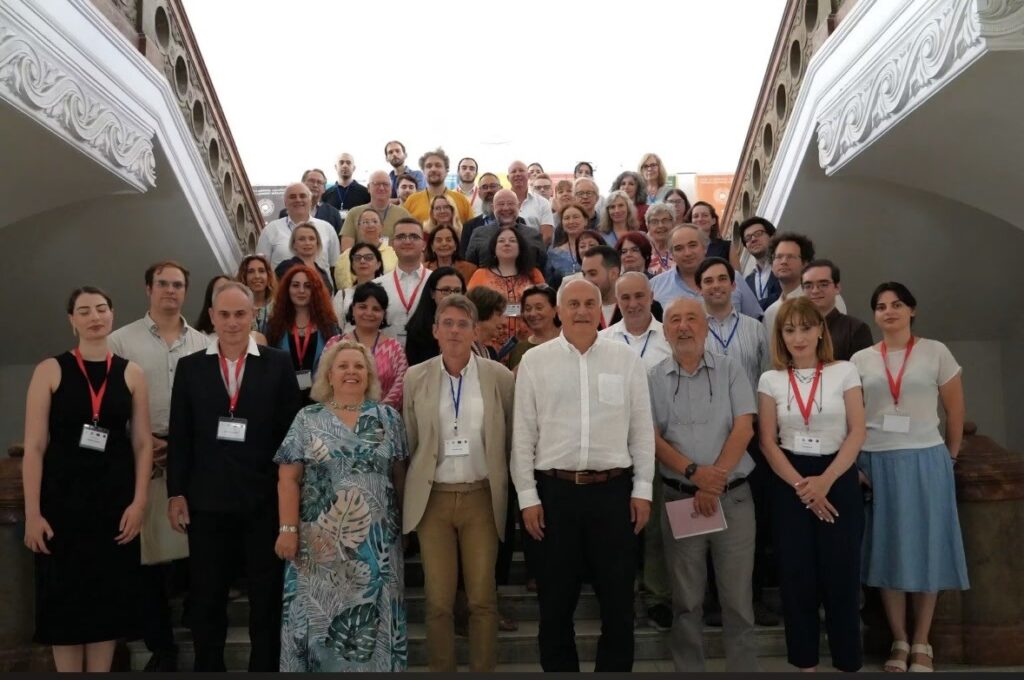
Figure 5 Group photo of delegates

21 August — Latin Day

Friday was devoted entirely to Latin:

  • Luigi Miraglia (Accademia Vivarium Novum, Italy) — On the importance of spoken Latin and the distinctive vitality of ancient languages: linguae immortalitatem adeptae de peculiari sermonum antiqorum vita.
  • Ignacio Armella (Accademia Vivarium Novum, Italy) — A linguistic and stylistic exploration of Caesar’s narrative technique, focusing on vocabulary choice and word order: stilus diendi magister: quomodo scriptorum genera dicendi in scholis tradi possint.
  • Musical workshop by Tyrtarion and TSU students — Rhythmic and choral performance of ancient metrical patterns, an energising demonstration of embodied Latin pedagogy.

General Assembly
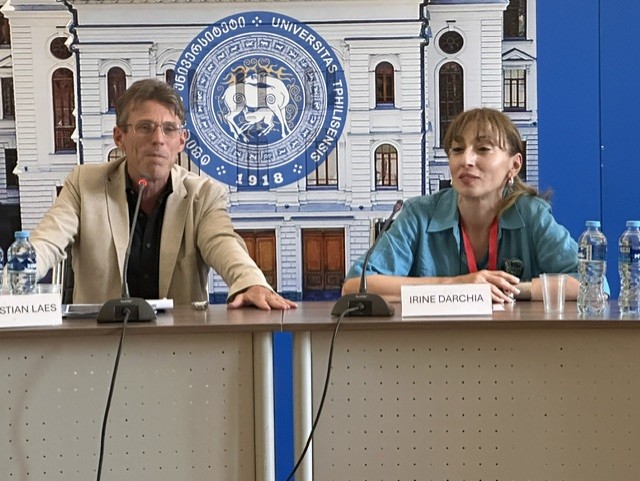
Figure 6 Christian Laes and Irine Darchia

The afternoon assembly covered:

  • Financial reports and approval of accounts
  • Renewed encouragement for member participation
  • Discussion of social media strategy
  • Reports from Academia Homerica (Chios) and Academia Ragusina (Dubrovnik).
  • Examination updates: Egex and Elex now published in Cursor, with Level 1 Latin to be simplified in 2027 and full vocabulary provided
  • Confirmation of Euroclassica 2027, to be held 27–29 August in Rabat, Malta, with a theme focused on outreach to schools

There followed a visit to see the incredible Georgian gold artefacts at the Georgian National Museum – perhaps some of the origins of the legend of the Golden Fleece. The day concluded with a celebratory dinner featuring generous Georgian hospitality and many toasts with delicious Georgian wine in honour of Classics, TSU, and the host country.
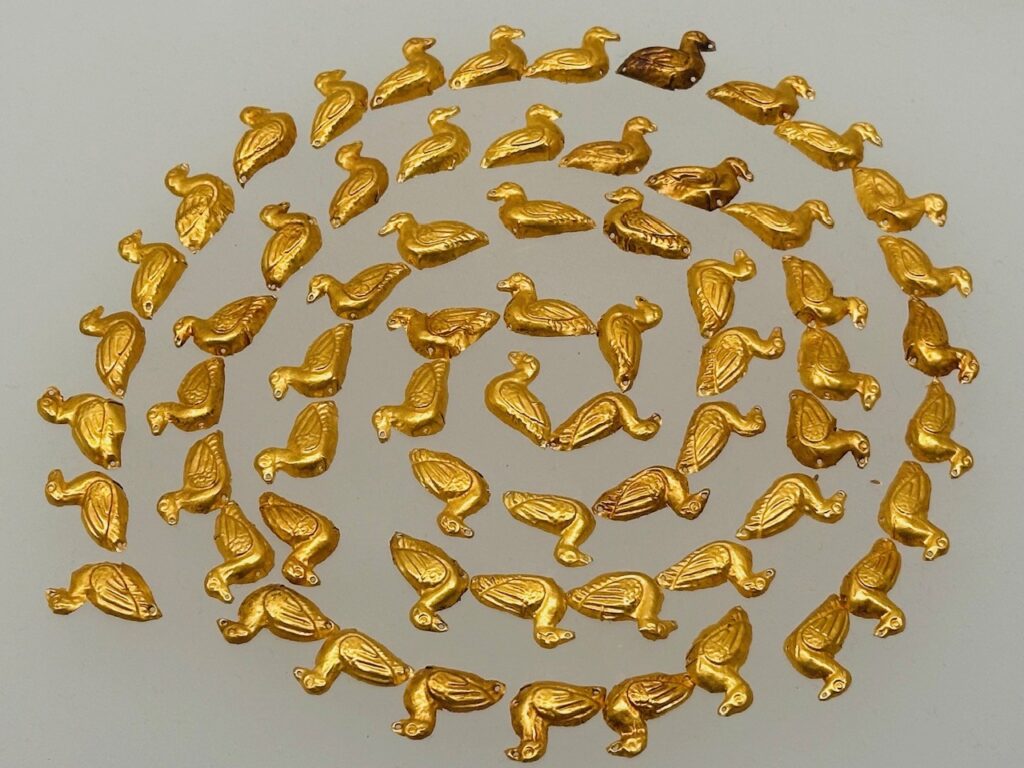
Figure 7 Gold from the National Museum of Georgia

22 August — Excursion to Vani

Saturday offered a full‑day excursion to Vani, organised by the Otar Lordkipanidze Vani Archaeological Museum. Although the author was unable to attend due to homeward travel arrangements, delegates reported an excellent visit. Meanwhile, a smaller group, including Peter Glatz, explored Tbilisi further and discussed future collaborative work on examinations and assessment practices – an initiative with promising potential for publication and shared benefit across the Euroclassica network.

Closing Reflections

The 2026 Euroclassica meeting in Tbilisi was marked by intellectual generosity, cultural immersion, and a shared commitment to strengthening Classics across Europe.
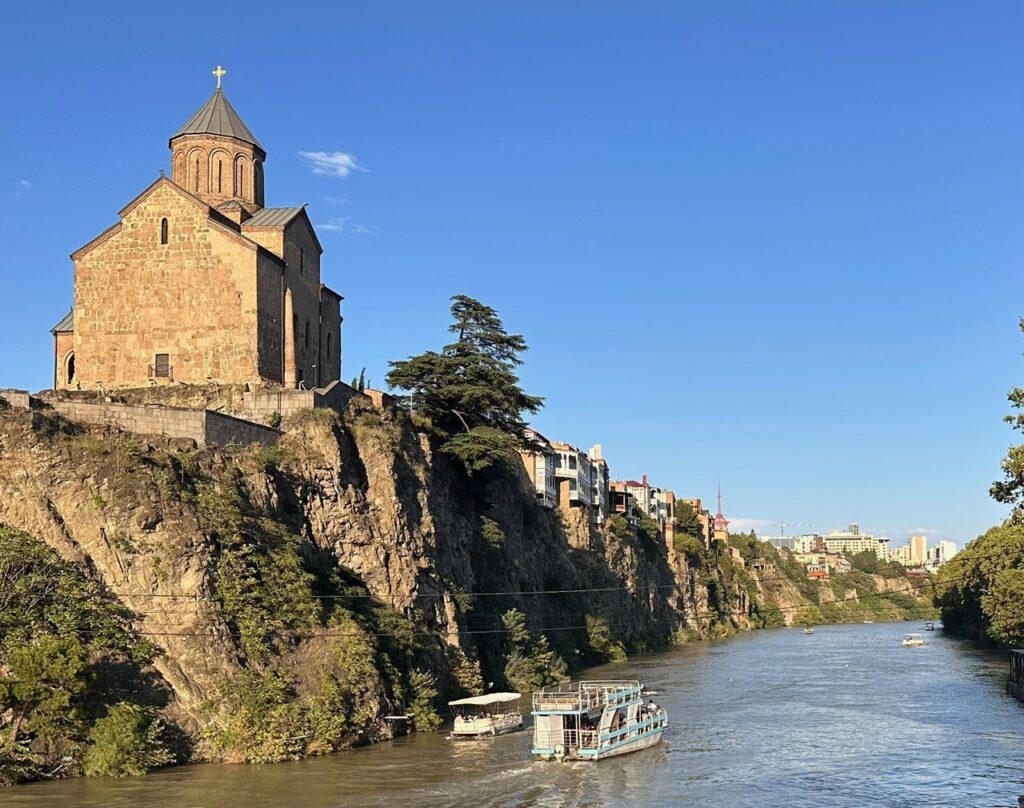
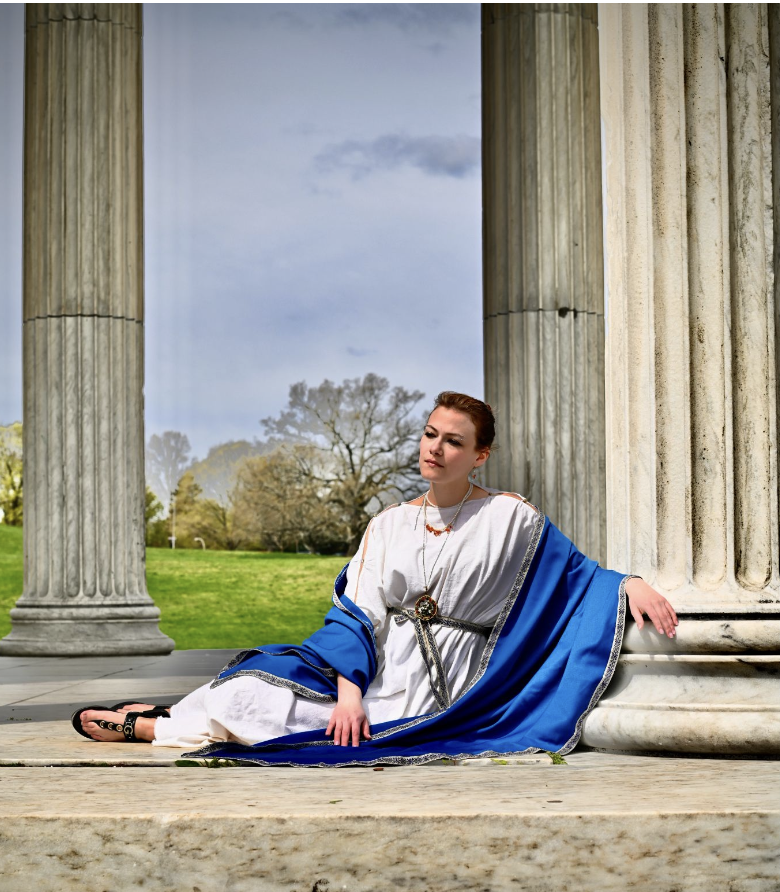
Figure 8 Metekhi church of the Nativity of the Mother of God – Tbilisi

Posted in Event Roundups

What did Roman Women wear?

Aniket Makhija, a graduate of the University of Rhode Island, shares with us their research into reconstructing Roman dress:

“Textiles can reveal much about the time period in which they are made: social norms, class relations, gender dynamics. Unlike, monuments in stone, however, textiles often fail to survive the passing of time and it can be hard to imagine or recreate the garments that Romans wore. Growing interest in the study of historical textiles and in female economies has helped increase our understanding of ancient fashion and textiles as well as other aspects of ancient culture. I recently undertook a project to explore our understanding of upper-class Roman women’s fashion, by reconstructing it from new and old research in art, antiquity, and textiles and seeing what these reconstructions could reveal.“What did the Romans wear?” produces a much more complex answer than one may think.


Photograph of Roman costume from the late Kingdom period. Photograph by Angelina Botros. Modelled by Chelsea Taylor.

Roman history is often divided into three eras: the Roman Kingdom (753-509 BCE), the Roman Republic (509 BCE – 30 BCE) and the Roman Empire (30 BCE – 476 CE). Each era brought changes in fashion, with the introduction of new cultural/religious influences, designs, and textile fibers. As such, this project reconstructs upper-class Roman women’s garments across these three time periods and aims to better understand the changing lives of Roman women, who are often overlooked in comparison to their male counterparts, and also help reflect gaps in our understanding in Roman textiles like decoration and the types of stitches used.

It is important to note that reconstructing dress from antiquity provides many challenges. Not many textiles survive from these time periods and those that do survive tend to be fragments of the original garment: often poorly studied, or lacking indications of their construction techniques. Furthermore, for the scale of this project, I chose fabrics with similar weaves and fiber content, instead of handweaving other examples. Despite these limitations, this project still reflects the styles, textiles, fibers, and construction techniques available to Romans and highlights areas for further research.

1. Late Kingdom – Early Republic (550-500 BCE)

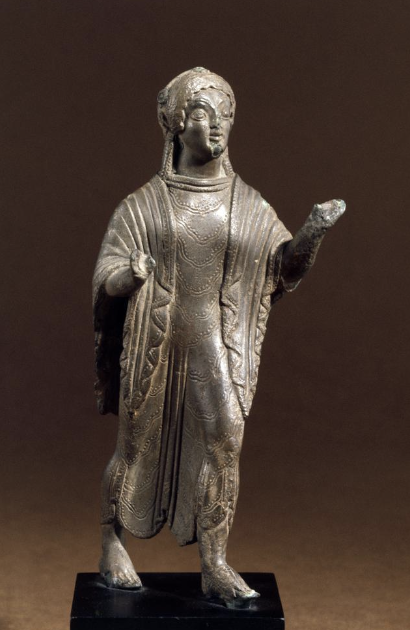
Information about the Romans from this time period comes from later authors, many of whom trace the origins of some customs, including dress customs, to the Etruscans. There is some debate between scholars about whether early Roman women wore the toga. However, surviving Etruscan art shows not only show similar garments worn by later Romans, but also show Etruscan women—and possibly Roman women—wearing the tebenna, the Etruscan precursor to the Roman toga. The Etruscan statue below shows a woman with a draped stole. The folds of the stole drape to a corner laterally to each side of the body with a circular shape on the back—all signs that the stole depicted is a tebenna.


The Votive Figure/The British Museum/
Creative Commons Attribution-Share Alike 4.0

The tebenna in figure two was based on two different tebennae found in the Villanovan era Etruscan tomb, Tomba del Trono. Both garments were made of a twill woven wool with tablet woven edges. This was replicated with a twill woven blue wool cut into a semicircular shape with similar dimensions to the extants and a similar tablet woven trim with patterns. As for the sewing style and thread type, the extants were woven into shape with the tablet woven edge directly woven onto it. This was not feasible to do due to time constraints, so the raw edges of the tebenna were folded over and covered with the trim hand stitched on the edge using both running and felling stitches in linen. Both these construction techniques and linen thread were not only widely available in Iron Age Europe but were also found on other textiles in the tomb, making them a good fit for this reconstruction.

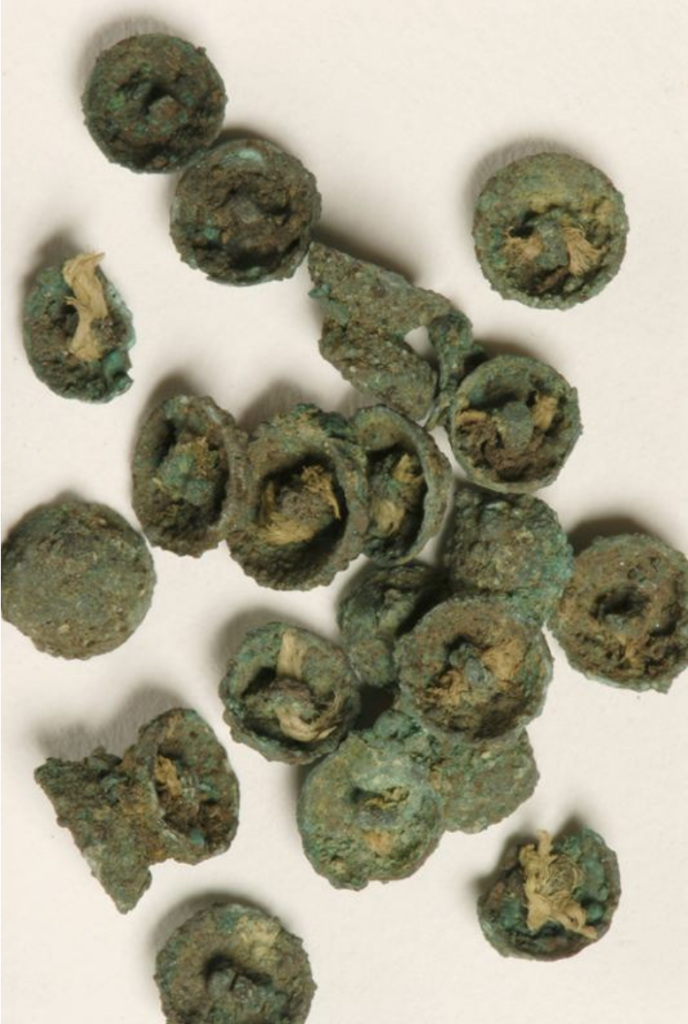
Buttons [ MS583B]. Courtesy of the Penn Museum. Circa 8th century BCE Etrusca. https://www.penn.museum/

The ionic chiton, a long full sleeve garment popular in both Greece and the Italian peninsula at this time, was constructed out of a plain weave linen fabric, similar to the extant linens found in the tomb. The tunic was created from a front and back piece. The side seams were run stitched together then folded and felled down with linen thread. A gap was left in each seam a couple inches from the top to make room for arm holes. Excavations throughout the Mediterranean reveal a variety of bronze and gold shank buttons, like those in figure four. Thus, I chose to sew 8 ½ inch bronze buttons on the top of the tunic. A parallel thread loop was made for each button. While there is evidence of garments being connected with button loops, there is no strong evidence of them being specifically thread loops.

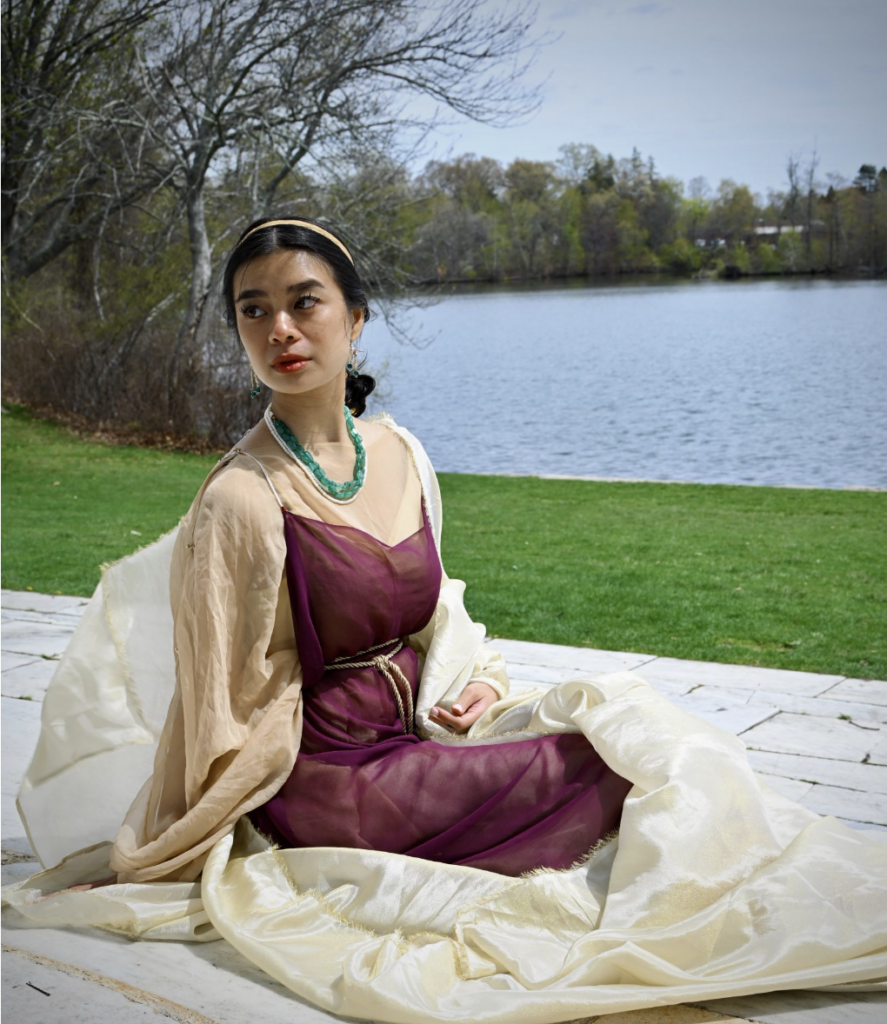
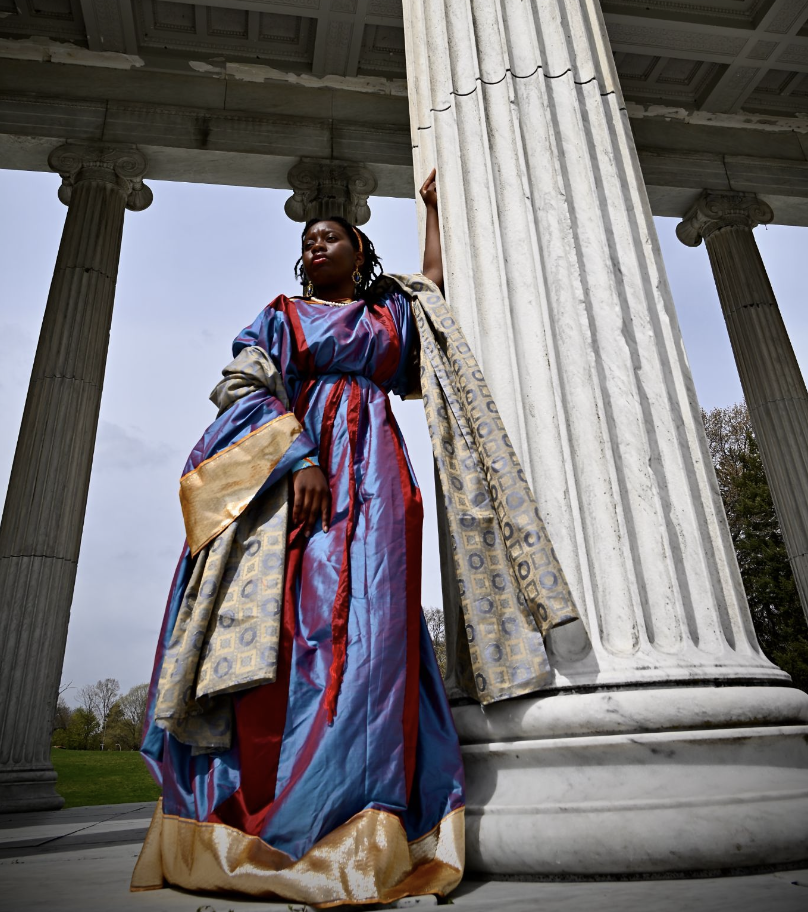
Photograph of Roman costume from the early Empire. Photograph by Angelina Botros. Modelled by Natasha Phimmahom.

2. Late Republic to early Empire (100 BCE – 50CE)

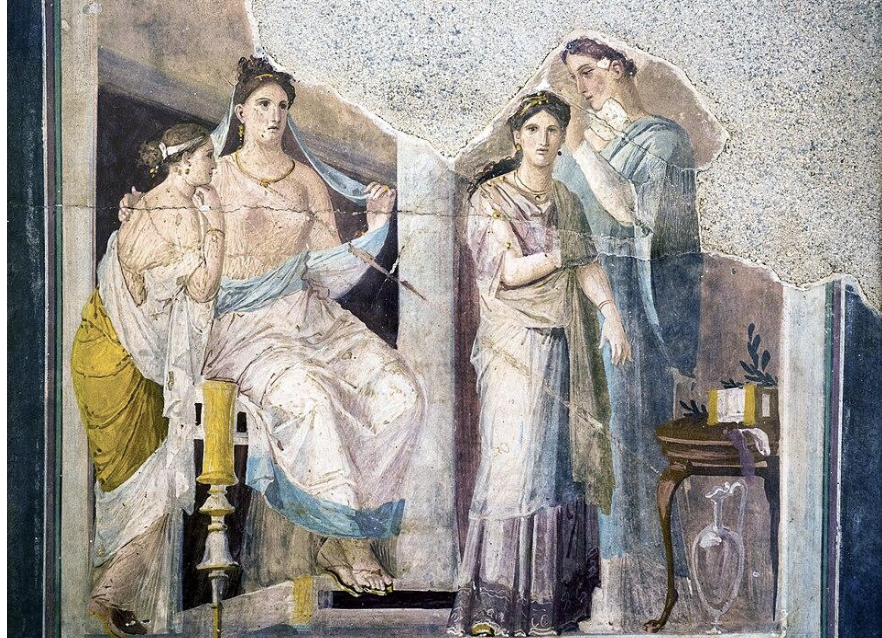
The stola, a long garment with a V neckline, first appears in art from the third century BCE, possibly of Etruscan origin. This garment was worn by married Roman women up until the early Roman Empire, signalling their status as a matrona. The stola was worn over a tunic (usually an ionic chiton) and palla, a rectangular stole. Around the 1st century BCE, silk textiles were introduced to the Romans and became widely popular fiber among the upper class. Fine silk textiles are depicted in frescoes like in figure six. Authors like Seneca give us further evidence for the prevalence of silk: he denounced women and matrons who wore these sheer fabric for being immodest. Since there are no stolas or thin silk textiles that survive from this time, most of the evidence for the reconstruction was based on statuary, art, and descriptions.

Dressing of the priestess from Herculaneum 30-40 CE/Wikimedia Commons /
Creative Commons Attribution-Share Alike 4.0/Credit: ArchaiOptix

To match the sheer qualities of the fabrics used in stolas and the ionic chiton, I used silk chiffon, a plain woven fabric with alternating twist threads in the warp. While there is evidence of alternating twist threads in the warp, pure silk fabrics were not common during the early Empire and were often woven with other fibers. The fabric was draped on the body, mimicking the neckline and the strap positions seen on stolas depicted in art. The raw edges on both the tunic and the stola were rolled and whipped together to finish the seam. While there is no evidence of this technique, it was necessary in order to prevent the textiles from fraying. The insitita is a 6-8cm wide decorative border either sewn or woven onto the hem of the stola. A gold trim with a diamond pattern similar to some extant silks was sewn onto the hem. Afterwards, straps and buttons were added to the stola and ionic chiton. Archaeological finds from Ostia provide insight to what the vitta, the band worn on the head of a matrona, and belts looked like. The finds show us vittae made of ribbons and a belt made from a double twisted cord, both of pure gold. Metallic ribbons and a gold coloured cord were used to mimic these accessories.

Photograph of Roman costume from the late Empire. Photograph by Angelina Botros. Modelled by Sophie Kassini.

3. Late Roman Empire (350 CE)

Around the third century CE, the dalmatic tunic, a wide sleeve tunic of West Asian origin, came into fashion. These were often richly decorated with complex clavii (two vertical stripes on the tunic) and borders. Evidence shows these were made of a wide variety of textiles. By the fourth century, it was fashionable to have a tighter under tunic whose sleeves peeped out of the outer dalmatic. The reconstructed dalmatic was based on a Musician mosaic fresco from the fourth century. The body of the tunic was made out of plain woven silk which was cut into the dalmatic shape. Different metallic and silk trims were used to create the borders and clavii on the dalmatic. I used running or whipped stitches to hold them in place, similar to those on extants. While these would have been woven onto the fabric base itself, there is evidence of clavii being stitched onto the tunic body. The side seams were stitched together with a running stitch, and the head hole was reinforced with trim, construction techniques found on similar garments.

Conclusion

The purpose of this project was to experimentally reconstruct Roman women’s dress from various time periods. The garments I created reflect just some of the vast body of information that we have on Roman textiles, but they also open up gaps in our understanding. Some questions that came up frequently in this project pertained to stitch length and techniques. Additionally, the project highlighted the lack of distinction in types of decorations used in each specific time period. Further research should be done in these areas to help gain a better understanding of how these pieces would have been made. That said, reconstructing these garments already increases our understanding of how Roman women dressed, looked, and moved in these garments—insights that the field of textiles is uniquely suited to provide—and breathes life into an historically overlooked group.”

Recommended Reading

Bonfante, Larissa. Etruscan dress Baltimore, Maryland: Johns Hopkins University Press, 2003.

Seneca, De Beneficiis, 7.9.5

Croom, Alexandra. Roman clothing and fashion Stroud, Gloucestershire: Amberley Publishing, 2010.

Elderkin, Kate McK. “Buttons and Their Use on Greek Garments.” American Journal of Archaeology 32, no. 3 (July 1, 1928): 333–45. https://doi.org/10.2307/497471.

Forsythe, Gary. A critical history of early Rome: From prehistory to the first punic war Berkeley, California: University of California Press, 2006.

Gleba, Margarita, and Ulla Mannering. Textiles and textile production in Europe from prehistory to AD 400. Oxford: Oxbow Books, 2021.

Marcellinus, Res gestae, 22.5

Hart, Mary Louise, Monica Ganio, Susan Lansing Maish, Douglas MacLennan, and Karen Trentelman. “ Vittae Auratae: Interpreting the History and Technology of a Group of Roman Gold Textile Fragments.” Getty Research Journal 14 (August 1, 2021): 1–20

Morgan, Faith Pennick. Dress and personal appearance in late antiquity: The clothing of the middle and lower classes Leiden, South Holland: Brill, 2018.

Mossakowska-Gaubert, Maria. “Tunics Worn in Egypt in Roman and Byzantine Times: The Greek Vocabulary.” Zea Books , July 26, 2017. https://doi.org/10.13014/k2xd0zvc.

Radicke, Jan. Roman women’ s dress: Literary sources, terminology, and historical development Berlin: De Gruyter, 2023.

Posted in Classics in Action, Student Blogs

Celebrating Arts and Humanities

We were delighted to kickstart the new academic year with a celebration of all that we hold dear – the arts and humanities, and especially ancient subjects – in collaboration with Durham University as we hosted a reception at the House of Lords to mark the 75th anniversary of Ancient History as an examined subject in England, and the wider contribution of the arts & humanities to civic life and public policy.

It’s my contention that if everyone studied Classics at school, we wouldn’t also need to teach them critical thinking. Classicists are the ultimate hype detectors because they have seen it all before: for example, in Cicero’s speeches, and in Roman imperial propaganda.

Prof. Victoria Baines

Key reflections from our CA Vice President Prof. Dame Mary Beard and from Prof. Victoria Baines, a leading authority in the field of online trust, safety and cybersecurity, powerfully highlighted the immediate relevance of classics, and reminded us why these subjects continue to inspire and enrich so many people, not least because of the transferable skills a classical education can bring.

As Prof. Baines explained, “there’s something about the digging we do that makes us fabulous investigators. We have been trained not only to triangulate and identify patterns in large datasets, but also to apply longitudinal and horizontal awareness of civilisations to contemporary issues. Employers can have confidence that an employee with a Classics degree can add value to a wide range of professional tasks.Classicists see patterns. They also hear echoes.”

More than 150 teachers, academics, Peers, MPs, civil servants, charities and subject associations joined us from all manner of backgrounds: English, History, Modern Languages, Science, Oracy & Technology – demonstrating the myriad ways classics robustly complements the wider school curriculum. We also welcomed speeches from the Chair of the All Party Parliamentary Group for Classics, Dr Peter Swallow MP, and Professor Arlene Holmes-Henderson, winner of the 2026 Classical Association Prize, whose recent publications explore the impact and relevance of Classics in the modern world.


As Arlene summarised, in Classics and Public Policy: Perspectives from the United Kingdom (Routledge), “classicists, historians, archaeologists and philosophers describe how they use lessons from the past to avoid policy mistakes in future and how the ancient world can help us engage directly with contemporary policy questions, informing education, migration and climate change policy. The book also collates personal reflections from policy officials (including a former cabinet minister, senior civil servants and representatives from devolved nations) on how their study of hashtag#Classics at university prepared them for life as a civil servant.”

In Reviving Rhetoric Across the Curriculum: A Guide for Teachers and School Leaders, Prof. Holmes-Henderson highlights how rhetoric explains the complex ways in which language works: helping us to learn how to construct an argument, listen critically, speak with confidence, evaluate evidence and recognise the ways in which language can inform, manipulate or divide. “In an age of social media, misinformation and generative AI, these are not optional skills; they are vital democratic skills”.

As the secretariat for the All-Party Parliamentary Group for Classics, the CA continues to raise the profile of classical subjects with policymakers, and works hard to open doors to studying the ancient past for everyone, regardless of background or age. Learn more about our work for teachers, for students, and our grants scheme.

Posted in CA News, Event Roundups