

Conference
The CA Conference is the largest annual Classics Conference in the UK and brings together everyone with an interest in the ancient world, from across the globe. This year, we’re delighted to be heading to Manchester Metropolitan University and the University of Manchester – sign up below to attend as a delegate.

REGISTRATION HAS NOW CLOSED.
Delegates will be emailed this week with information about the upcoming Conference. If you have any questions, please read our FAQs before contacting engagement@classicalassociation.org.
The largest annual Classics Conference in the UK!
Manchester Metropolitan University and the University of Manchester will host the Classical Association Conference on 10-12 April 2026, with both in person and online attendance. Daily events will take place at the Business School of Manchester Metropolitan University, with the Gala Dinner, Prizegiving and Entertainment at the historic Whitworth Hall.
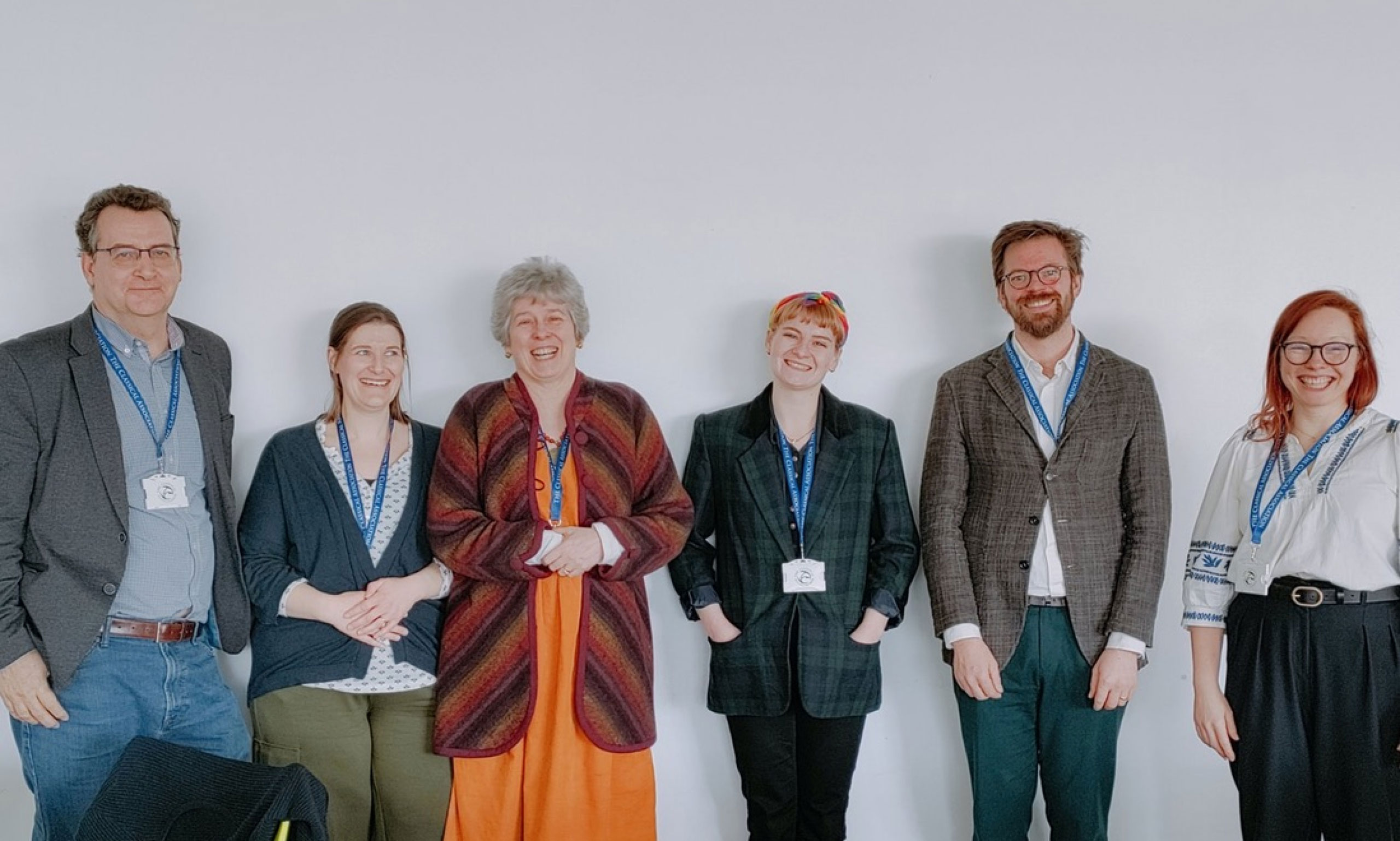
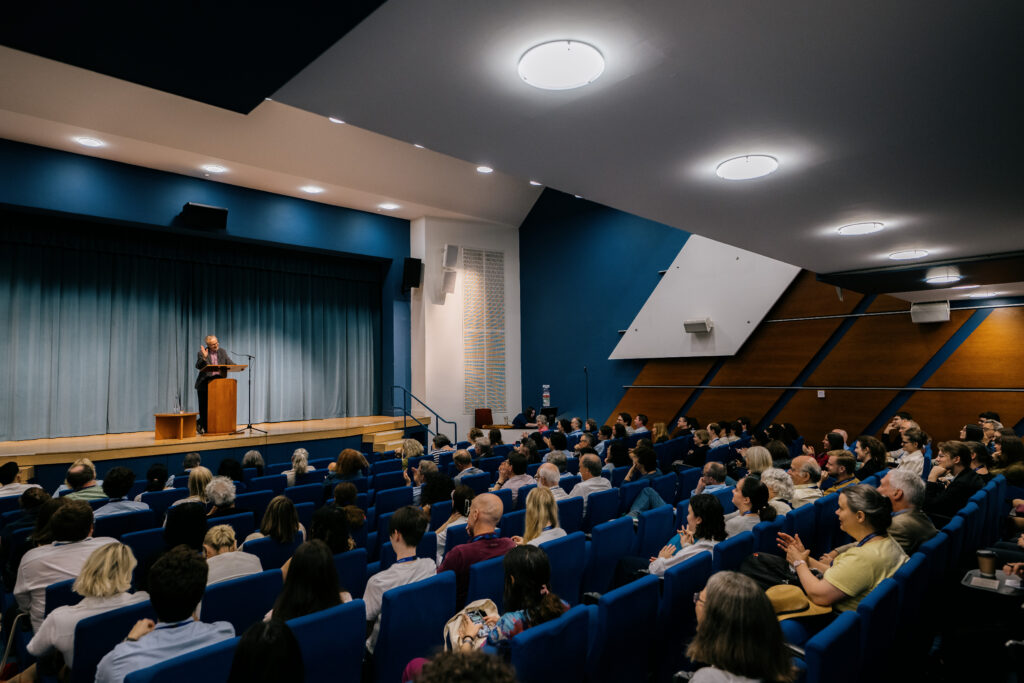
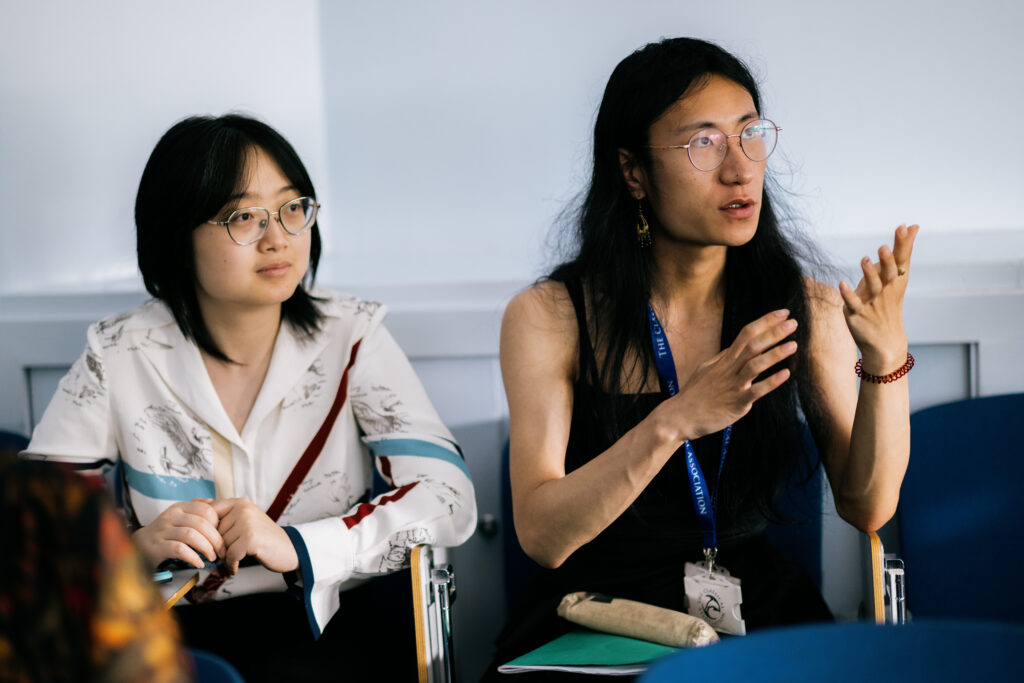
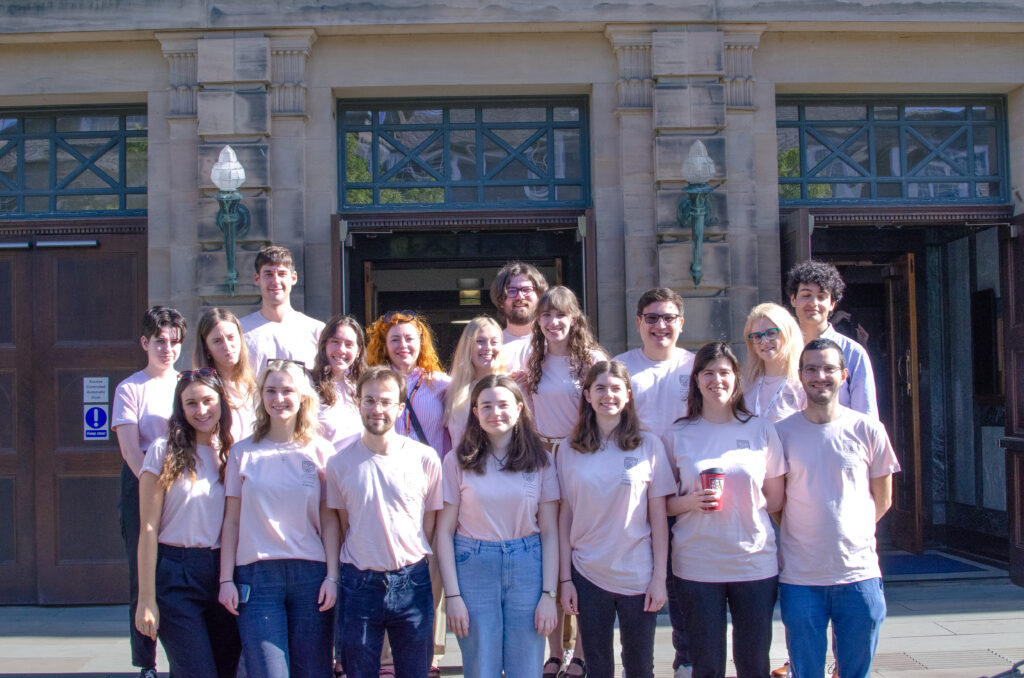
Conference Highlights
- Over 200 papers, talks and posters showcased
- Contributions from leading experts in their field
- Hundreds of delegates from across the world
- Hybrid Conference with digital access
- Inaugural Classics and Careers Festival
- Drinks reception and networking opportunities
- Traditional Greek style panegyri by Antama
- Gala Dinner and Prizegivings
- In the heart of Manchester’s heritage and cultural area
Exhibitors






Pricing
The CA subsidises prices to the Conference and offers discounted access to the unwaged, to CA members and Manchester & District CA branch members. If you would like to join the CA to access this discount and lots of other benefits, you can do so here. Presenters and non-presenters must pay the day fee alike and we are not able to provide travel bursaries.
The in-person fee includes refreshments, lunch and access to all sessions and keynotes; dinner will not be provided on Friday, Saturday or Sunday and if you would like to attend the Saturday evening Gala Dinner and Awards at the Whitworth Hall, you must have secured a ticket.

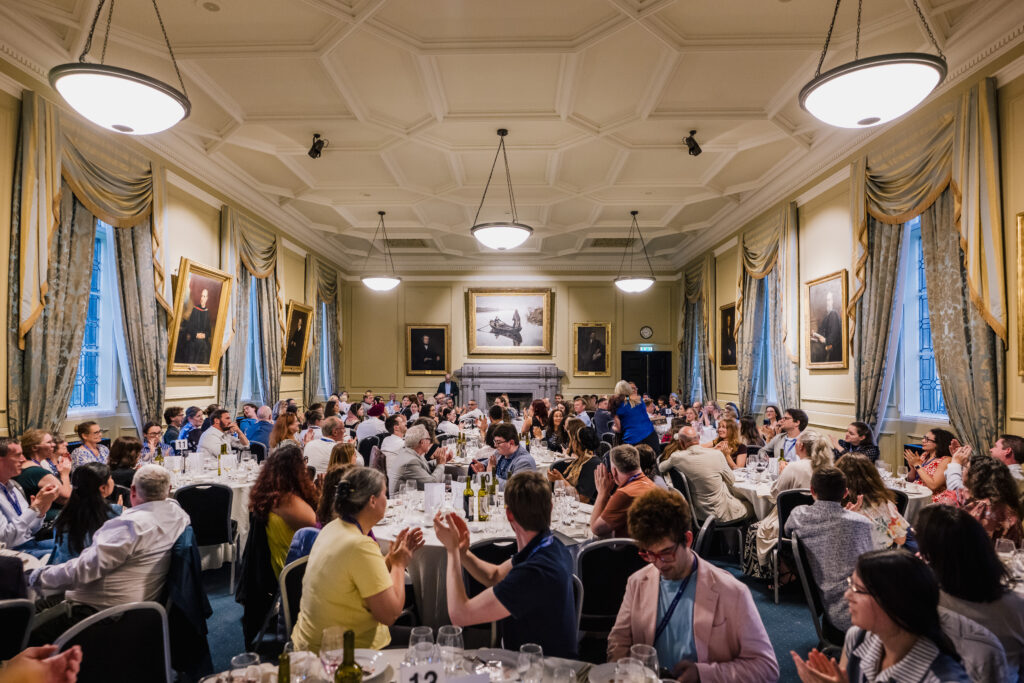

The programme features keynote addresses, one of which will be delivered by the CA’s Honorary President, the historian and broadcaster Michael Wood, Professor of Public History at the University of Manchester. You can also look forward to a variety of classically-themed entertainment, receptions, exhibitor stalls, the awarding of the CA Prize and CA Teaching Awards, opportunities to visit the city museums, and much more.
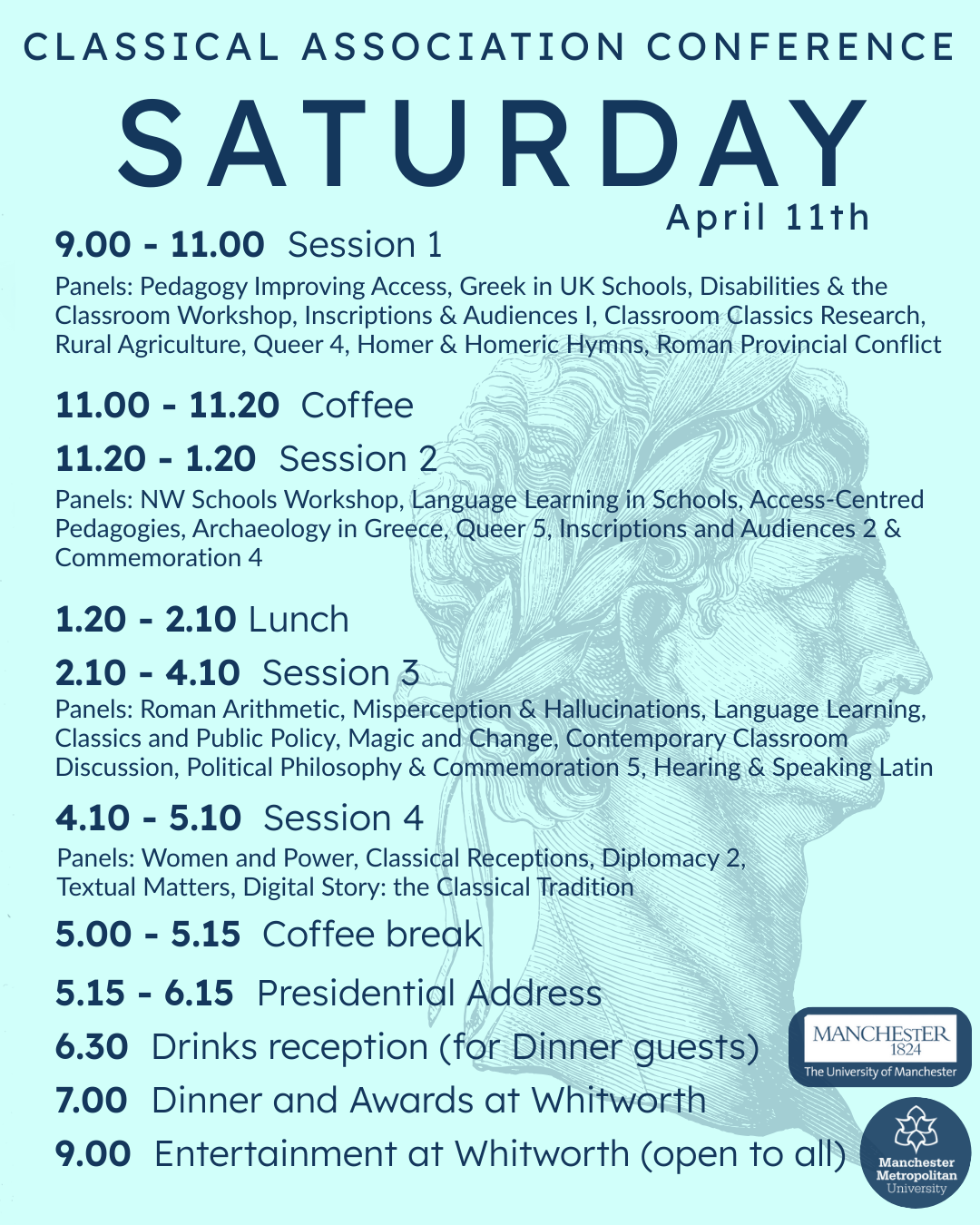
Programme
We are delighted to offer a varied programme of panels, workshops, keynotes, networking and social events, around our Conference themes. Click below to browse the schedule and, here, the abstract booklet.
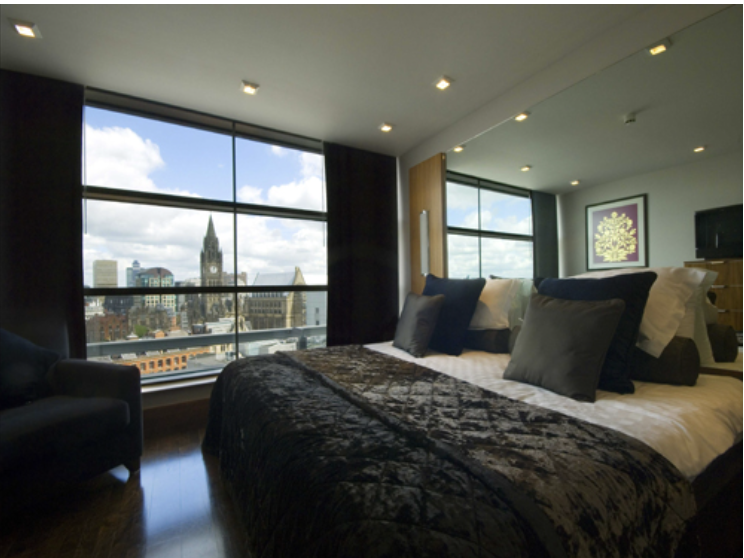
Accommodation
Marketing Manchester were pleased to offer CA 2026 delegates discounted options. Accommodation is not included in your conference fee and must have been booked via this link before 13 March – please direct any queries to abs@visitmanchester.com
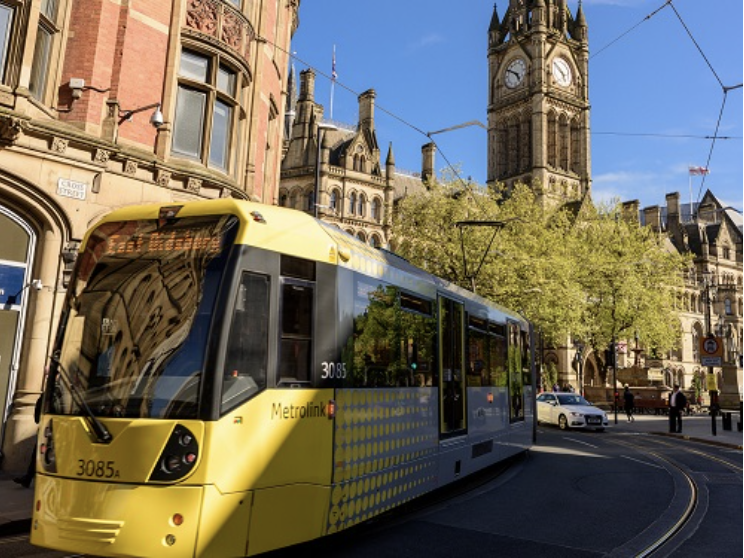
Travel
Click the link below for information about how to get to Manchester Metropolitan University Business School. Please note that if you require parking, we advise using the NCP and the Aquatic Centre multi-storey parking
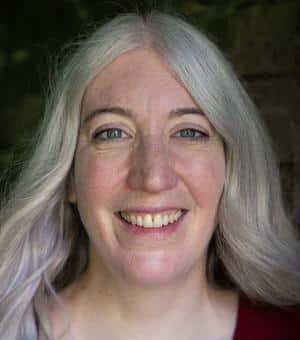
Friday Keynote Sessions
We look forward to a keynote interview with Professor Josephine Crawley Quinn and Professor Catherine Fletcher, as well as special performance sessions from choreographer Matthew Rawcliffe.
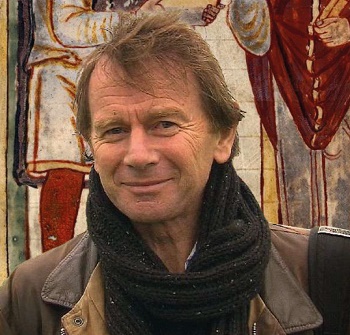
Saturday Address
The CA’s Honorary President, Prof. Michael Wood will deliver his keynote lecture. An acclaimed historian, broadcaster and author, his groundbreaking work has shaped the field of public history for five decades.
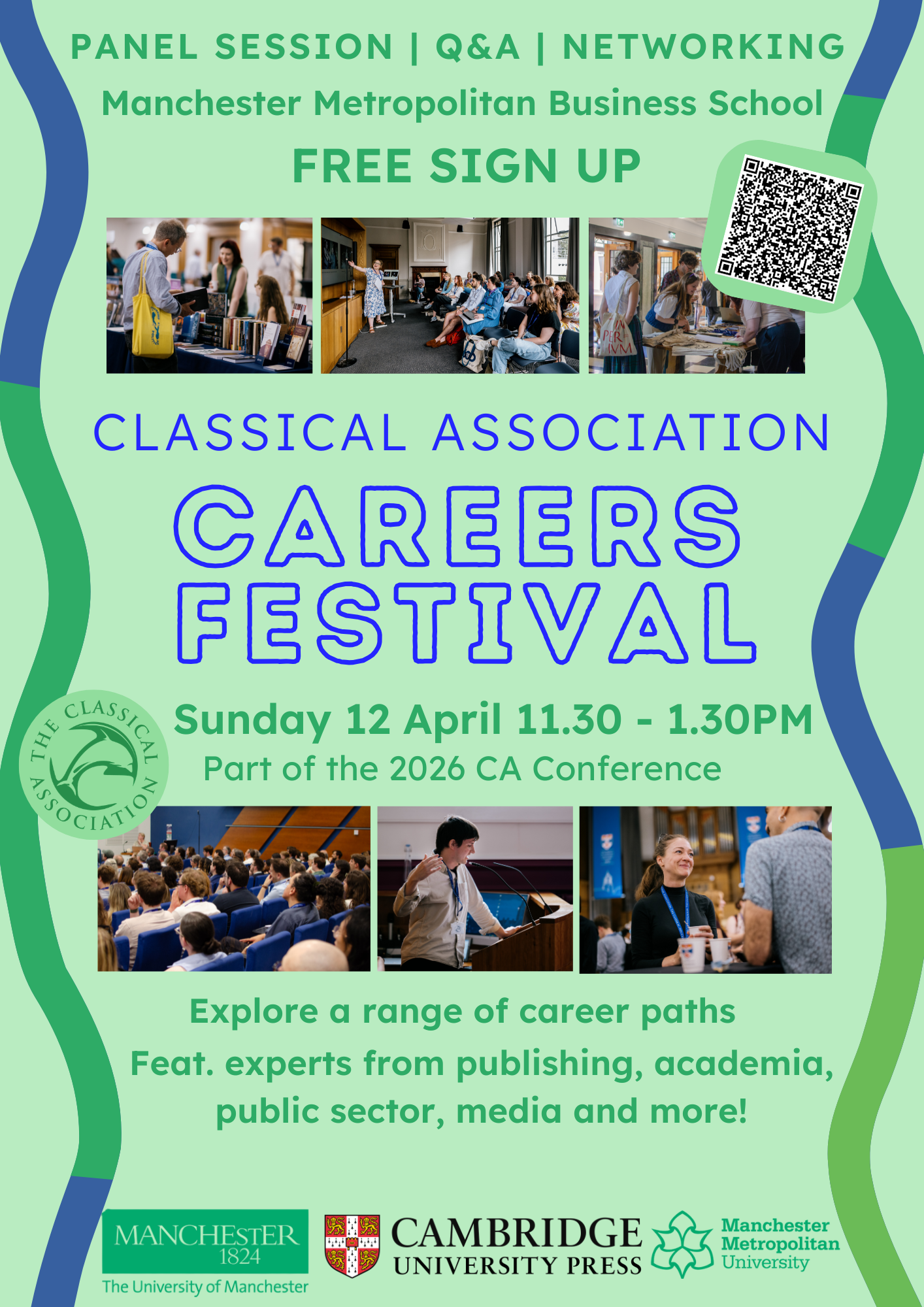
Sunday Careers Festival
For the first time, we are incorporating a careers festival into the Sunday programme. Free to all, and designed to support students and classics enthusiasts of all ages, enjoy a panel session, Q&A and networking opportunities. Sign Up here.
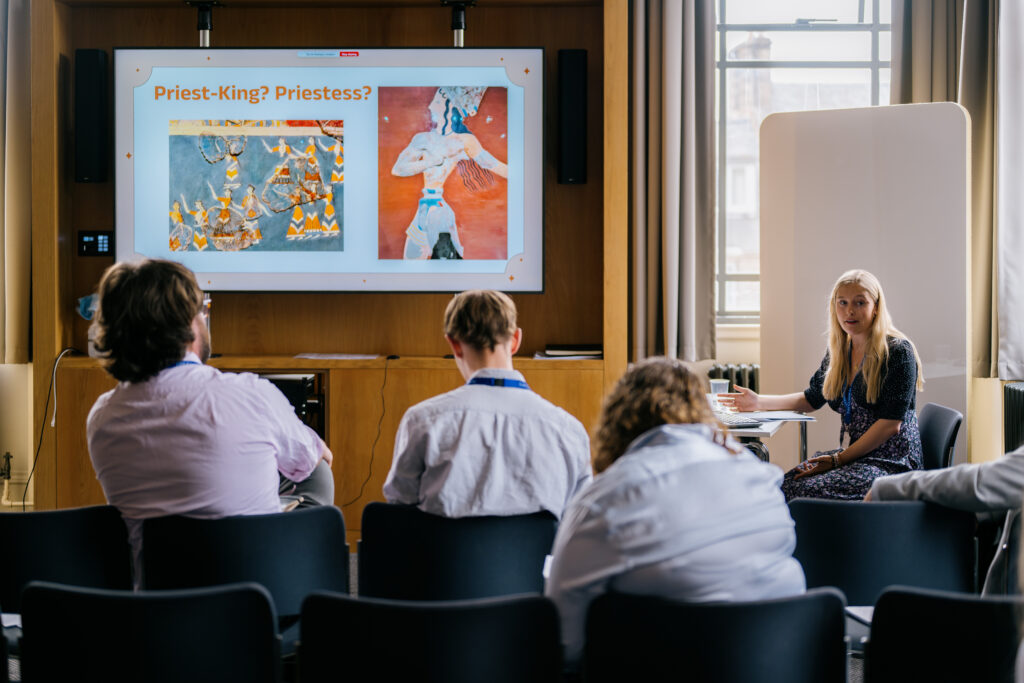

Previous Conferences
Read more about our 2025 Conference, held with the CAS at the University of St Andrews


